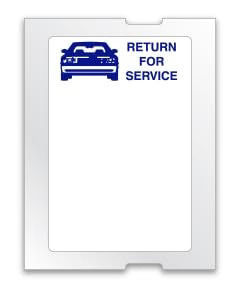

Running a successful auto repair shop or dealership service department is about more than just turning wrenches and replacing filters; it is about building a relationship with your customers. In a highly competitive automotive aftermarket, customer retention is the ultimate driver of profitability. While digital reminders, emails, and text messages have their place, nothing beats the consistent, daily visibility of a physical reminder inside the cabin.
For decades, the humble windshield label has served as the gold standard for retention. Specifically, opting for custom static cling oil change stickers provides a non-damaging, highly professional, and customizable tool that keeps your business top-of-mind every single time your customer gets behind the wheel.
In this deep dive, we will explore the science of visual reminders, why static cling technology outperforms traditional adhesives, and how customizing these small tools can yield massive returns on your marketing investment.
Article Summary
-
The Power of Retention: Repeat customers are the lifeblood of automotive service centers. Static cling stickers keep your brand directly in the driver’s line of sight.
-
Static Cling vs. Adhesive: Static cling technology uses no glue, leaving zero sticky residue on delicate windshield glass or window tinting.
-
Custom Branding: Incorporating your logo, custom colors, and contact info elevates your shop’s professionalism.
-
Actionable Best Practices: Maximize effectiveness by using high-contrast designs, writable surfaces, and placing them in the optimal visual zone.
The Psychology of the Windshield Reminder
The human brain is constantly filtering out white noise, but it reacts strongly to visual cues in its immediate environment. When a driver is sitting in traffic, waiting at a red light, or warming up their engine in the morning, their eyes naturally wander to the top-left corner of the windshield.
If that space is occupied by a generic, blank label, it is a missed opportunity. But if it features a crisp, clean logo with clear handwriting indicating when they need to return, it acts as a constant, subconscious reassurance.
Using highly visible vehicle service reminder stickers shifts your business model from reactive maintenance (waiting for the customer’s car to break down) to proactive maintenance (scheduling predictable, routine service visits). This small behavioral nudge is why shops using high-quality custom labels see significantly higher return rates within the recommended 3,000-to-5,000-mile windows.
Technical Comparison: Why Static Cling Wins
Historically, service departments used paper stickers with pressure-sensitive adhesives. While cheap, these traditional labels present severe drawbacks that can irritate customers and damage vehicles:
-
Adhesive Residue: Over time, exposure to intense windshield heat baked the glue onto the glass. When customers tried to peel them off, they left behind a gummy, ugly residue that required razor blades or harsh chemicals to clean.
-
Tint Damage: Many modern vehicles feature aftermarket or factory-installed window tinting. Standard adhesive stickers can tear or de-laminate these expensive films upon removal.
-
Weather Wear: Paper labels degrade under intense UV radiation, curling at the corners and fading until the written mileage is unreadable.
Static cling vinyl solves all of these issues. Made from highly flexible, static-charged PVC, these stickers grip smoothly onto clean glass surfaces using static electricity alone. They can be peeled off, repositioned, and replaced infinitely without leaving a microscopic trace of residue behind. It is a premium, customer-first choice that reflects the quality of care you put into their actual vehicle.
Designing the Perfect Oil Change Sticker
Designing an effective reminder sticker is a balance of aesthetic branding and clean legibility. The sticker needs to be large enough to read easily from the driver’s seat but small enough not to obstruct the driver’s field of vision.
1. The Power of Your Logo
Your logo is the face of your business. Printing custom oil change stickers with logo branding transforms a simple utility sticker into an active billboard. Keep your logo vector-sharp and avoid overly complex designs that get muddy when printed in smaller dimensions (typically 2″ x 2″ or 2″ x 2.5″).
2. High-Contrast Fields for Clear Writing
The fields for “Date” and “Mileage” must be easy to write on and even easier to read. Ensure your sticker design features a solid white or light-colored write-on strip. When your technicians write the details with a permanent marker or a specialized windshield pen, the dark ink should pop cleanly against the light background.
3. Clear vs. White Backings
-
Clear Static Cling: Offers a sleek, minimalist “floating” look where only your logo and the text boxes are visible. It blocks less of the outside view, making it a favorite for modern and luxury vehicles.
-
White Static Cling: Provides a solid, opaque background. This is ideal if you want to use vibrant, full-color branding that demands attention and remains highly legible even against a bright, sunny sky.
Step-by-Step: How to Apply Static Cling Stickers for Maximum Longevity
Even the best static cling vinyl can peel prematurely if applied incorrectly. Share these quick steps with your lube technicians to ensure every sticker stays securely in place until the next service interval:
-
Step 1: Clean the Glass: Use a microfiber cloth and a standard glass cleaner to thoroughly wipe down the inside upper-left corner of the windshield. Any dust, grease, or oily film will weaken the static bond.
-
Step 2: Dry Completely: Ensure the glass is completely dry. Moisture trapped behind the vinyl can cause bubbling and make the sticker slide.
-
Step 3: Write First, Apply Second: Always write the return mileage and date on the sticker before peeling it off its backing paper. Writing on a hard, flat surface ensures clear, smudge-free penmanship.
-
Step 4: Smooth from Center Outward: Peel the sticker, align it straight, and press it firmly against the glass. Run your thumb from the center of the sticker outward to push out any trapped air bubbles.
Conclusion
A custom static cling windshield sticker is one of the most cost-effective marketing tools an auto shop can employ. For pennies per vehicle, you secure prime real estate inside your customer’s car, serving as a silent brand ambassador 365 days a year. By choosing high-quality static cling materials over messy adhesives, you protect your customer’s vehicle while projecting an image of premium professionalism and attention to detail.
Frequently Asked Questions
Do static cling stickers work on tinted windshields?
Yes. Because static cling stickers use no chemical adhesives, they are completely safe to apply directly to window tint films. They will not tear, scratch, or bubble the tint when applied or removed.
What is the best pen to use on custom static cling labels?
A standard fine-point permanent marker (like a Sharpie) or a dedicated industrial felt-tip garden/grease pen works best. Avoid ballpoint pens, as they can tear or fail to transfer ink cleanly onto the vinyl surface.
Can static cling stickers fall off in extreme heat or cold?
High-quality static cling vinyl is designed to withstand extreme cabin temperatures, from freezing winter mornings to boiling hot summer days. As long as the glass was cleaned and dried thoroughly prior to application, the static charge will hold securely.
How often should my shop update its sticker design?
It is wise to review your design whenever you undergo a brand refresh, update your business logo, or change your contact information (such as your phone number or service booking URL). Keeping the design clean, modern, and aligned with your current marketing colors is key to maintaining a professional appearance.