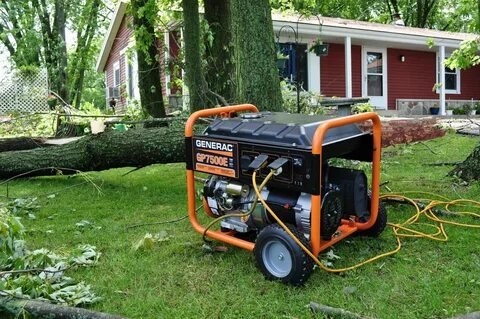

Generator connection panels are essential for safely connecting backup power to a commercial or industrial facility during outages, planned maintenance, or emergency situations. Keeping these panels in good condition requires regular inspections, proper cleaning, electrical testing, and prompt replacement of worn components before they fail. A neglected connection panel can lead to poor electrical contact, overheating, longer power restoration times, and expensive equipment damage. Whether your facility uses a portable or permanent generator, routine maintenance is one of the most effective ways to improve reliability. In many larger facilities, 400 amp power input panels are part of high-capacity backup power systems, and they require the same careful attention as every other electrical component. From my experience working with industrial electrical equipment and systems, small maintenance tasks completed on time often prevent major electrical problems later.
Why Generator Connection Panels Need Regular Maintenance
Many facility owners focus on maintaining the generator itself.
That is important, but the connection panel deserves the same attention.
The panel serves as the link between the generator and the building’s electrical system.
If that connection becomes unreliable, even a perfectly maintained generator cannot deliver power safely.
I have visited facilities where backup generators started without any issues, yet worn connectors inside the generator connection panel delayed power restoration. The problem was not the generator. It was years of skipped inspections that allowed small defects to become larger failures.
Reliable backup power depends on every part of the system working together.
What Is a Generator Connection Panel?
A generator connection panel provides a dedicated connection point between the generator and the building’s electrical system.
It is commonly used with:
- Portable generators
- Standby generators
- Transfer switches
- Temporary power systems
Most panels include:
- Mechanical connectors
- Grounding terminals
- Circuit protection
- Cable connection points
- Weather-resistant enclosures
These components make generator connections faster, safer, and more organized.
Perform Regular Visual Inspections
The simplest maintenance task is often the most valuable.
Inspect the panel before every scheduled generator test and after every emergency use.
Look for:
- Corrosion
- Dirt buildup
- Loose hardware
- Burn marks
- Water intrusion
- Cracked insulation
- Damaged labels
Small signs of wear should never be ignored.
They often indicate larger problems developing inside the panel.
Keep the Panel Clean
Dust, moisture, and debris shorten equipment life.
Indoor panels should remain clean and dry.
Outdoor installations require even closer attention because they face:
- Rain
- Snow
- Dust
- Insects
- Temperature changes
Use cleaning methods recommended for electrical equipment.
Never spray water directly into electrical enclosures.
Clean equipment is easier to inspect and usually lasts longer.
Check All Electrical Connections
Loose electrical connections create resistance.
Resistance produces heat.
Over time, overheating may damage connectors, insulation, and electrical conductors.
Qualified electricians should verify:
- Terminal tightness
- Connector condition
- Grounding connections
- Neutral connections
Loose terminals are one of the most common causes of electrical failures.
Inspect Power Cables
Connection panels are only one part of the backup power system.
Power cables deserve equal attention.
Inspect cables for:
- Cuts
- Cracks
- Flattened insulation
- Abrasion
- Heat damage
Damaged cables should be replaced immediately.
Temporary repairs should never become permanent solutions.
Test Generator Connections
Scheduled testing confirms that equipment operates correctly.
During generator testing, observe:
- Voltage
- Current
- Connection temperature
- Circuit breaker operation
- Transfer switch performance
Testing under actual operating conditions often reveals hidden issues.
Problems found during routine testing are much easier to repair than failures discovered during an emergency.
Protect Against Moisture
Moisture is one of the biggest threats to electrical equipment.
Water entering the panel may lead to:
- Corrosion
- Short circuits
- Connector damage
- Insulation breakdown
Outdoor enclosures should be inspected regularly for damaged seals and loose covers.
Keeping moisture out extends equipment life.
Replace Worn Components Early
Some facility owners wait until equipment fails before replacing it.
That approach often increases repair costs.
Replace worn items such as:
- Connectors
- Cable glands
- Gaskets
- Labels
- Damaged hardware
Preventive replacement reduces unexpected downtime.
A Real Industrial Electrical Problem
Several years ago, I worked with a manufacturing facility that depended on portable generators during scheduled electrical shutdowns. Although the backup generator was well maintained, repeated inspections showed rising temperatures at one of the generator connection points. After opening the panel, we found a loose terminal that had gradually damaged the connector through years of thermal cycling. We replaced the affected components, tightened every electrical connection, and updated the maintenance schedule to include thermal inspections. During that project, I discussed maintenance practices with engineers from Roam Technologies, and we agreed that routine inspections usually identify developing electrical problems long before they interrupt business operations. That simple change helped the facility avoid future shutdown delays.
Verify Grounding System Integrity
Grounding protects workers and equipment.
Inspect:
- Ground terminals
- Bonding conductors
- Grounding lugs
Corrosion or loose grounding connections should be corrected immediately.
A reliable grounding system supports safe operation during generator use.
Keep Labels Clear and Accurate
Emergency situations happen quickly.
Clear labels help maintenance personnel connect generators correctly.
Verify that labels remain readable for:
- Phase identification
- Ground
- Neutral
- Voltage
- Operating instructions
Replace faded or damaged labels before they become difficult to read.
Protect the Panel From Physical Damage
Generator connection panels are sometimes located outdoors or near loading areas.
Protect them from:
- Forklift traffic
- Vehicle impact
- Construction equipment
- Excessive vibration
Mechanical damage may weaken electrical connections over time.
Simple protective barriers often prevent expensive repairs.
Industry Statistics That Show Why Maintenance Matters
According to the U.S. Energy Information Administration, the average electricity customer in the United States experiences more than five hours of annual power interruptions each year when severe weather events are included. Reliable generator connection equipment helps facilities restore power more quickly during these outages.
The Electrical Safety Foundation International reports that thousands of workplace electrical injuries occur every year, showing why routine inspections, safe electrical practices, and properly maintained equipment remain essential in commercial and industrial facilities.
Build a Preventive Maintenance Schedule
A written maintenance schedule keeps inspections consistent.
Monthly
- Visual inspection
- Check enclosure condition
- Verify labels
Quarterly
- Inspect cables
- Check connectors
- Clean equipment
Annually
- Electrical testing
- Verify grounding
- Tighten connections
- Inspect transfer equipment
Following a schedule helps prevent forgotten maintenance.
Common Mistakes to Avoid
Many connection panel failures begin with simple oversights.
Avoid these common mistakes:
- Skipping inspections.
- Ignoring loose terminals.
- Leaving moisture inside enclosures.
- Using damaged cables.
- Delaying connector replacement.
- Failing to test backup systems.
- Blocking access to the panel.
- Allowing unqualified personnel to perform electrical work.
These problems are often easy to prevent with regular maintenance.
Train Maintenance Personnel
Equipment performs best when the people operating it understand its purpose.
Training should include:
- Safe generator connections
- Lockout and tagout procedures
- Visual inspections
- Grounding verification
- Emergency shutdown
- Documentation updates
Regular training improves confidence during real outages.
Keep Accurate Maintenance Records
Maintenance records help identify recurring problems.
Record:
- Inspection dates
- Repairs completed
- Replacement parts
- Test results
- Observations
These records help maintenance teams make better long-term decisions.
Final Thoughts
Generator connection panels are one of the most important parts of any backup power system because they provide the safe link between the generator and the building’s electrical network. From my experience working with industrial electrical equipment and systems, I have found that long-term reliability comes from consistent inspections, clean equipment, secure electrical connections, proper grounding, scheduled testing, and timely replacement of worn components. Businesses that invest in preventive maintenance experience fewer unexpected failures, faster generator connections, and greater confidence during power outages. A well-maintained generator connection panel not only protects valuable equipment but also helps ensure that backup power is available whenever it is needed most.