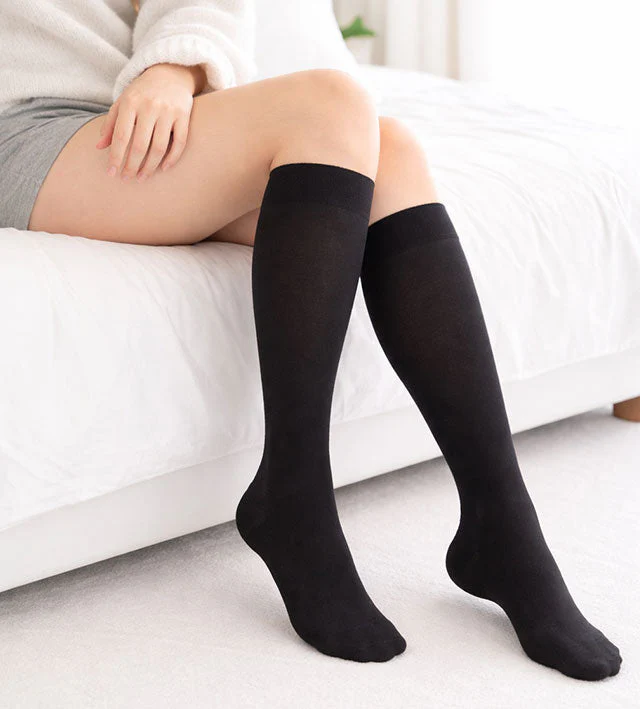

Compression socks have become a practical solution for women looking to support healthy circulation and improve daily leg comfort. Whether spending hours at work, traveling long distances, exercising regularly, or recovering after a medical procedure, many women turn to compression socks for added support. Among the different compression levels available, 20-30 mmHg compression socks are commonly recommended when moderate compression is needed.
But an important question remains: When should women wear 20-30 mmHg compression socks? Understanding the right situations, benefits, and precautions can help women make informed decisions about using them.
Understanding 20-30 mmHg Compression Socks
Compression socks apply graduated pressure to the legs, meaning the highest level of compression is around the ankle and gradually decreases toward the calf. This design encourages healthy blood circulation, helping blood flow back toward the heart more efficiently.
The 20-30 mmHg compression level is considered moderate medical-grade compression. It provides firmer support than mild compression socks and is often chosen by women who need extra assistance with circulation or experience frequent leg discomfort.
Women Who May Benefit from 20-30 mmHg Compression Socks
Although compression socks are widely used, they are especially beneficial for women in certain situations.
1. Women Who Stand for Long Hours
Jobs that require standing throughout the day can place continuous stress on the legs. Nurses, teachers, retail workers, salon professionals, pharmacists, and hospitality staff often experience tired, swollen, or aching legs after long shifts.
Wearing 20-30 mmHg compression socks during working hours may help support circulation and reduce the feeling of heaviness that often develops by the end of the day.
2. Women Who Sit for Extended Periods
Not every occupation involves standing. Many office professionals spend eight or more hours sitting at a desk with minimal movement. Long periods of sitting may slow circulation and contribute to stiffness or mild swelling.
Compression socks can provide additional support during prolonged sitting, especially when combined with regular walking breaks and stretching.
3. During Long-Distance Travel
Long flights, train journeys, and road trips often involve remaining seated for several hours. Limited movement may increase the likelihood of swollen feet and tired legs.
Many travelers wear 20-30 mmHg compression socks before and during travel to help maintain circulation throughout the journey. Frequent hydration and occasional walking are also recommended for long trips.
4. During Pregnancy (With Medical Guidance)
Pregnancy places additional pressure on the circulatory system as the body adjusts to support the growing baby. Many women notice swelling in the ankles, feet, and lower legs during pregnancy.
Healthcare providers sometimes recommend moderate compression socks for pregnant women experiencing circulation-related discomfort. However, women should always consult their healthcare provider before choosing a compression level during pregnancy.
5. Women with Varicose Veins
Varicose veins are enlarged veins that commonly appear in the legs. They may cause aching, heaviness, or swelling, particularly after standing for long periods.
Medical professionals frequently recommend moderate compression as part of an overall management plan for women experiencing varicose vein symptoms. Compression socks do not remove existing veins but may help improve everyday comfort.
6. During Exercise and Recovery
Active women often use compression socks while walking, hiking, running, cycling, or participating in fitness activities. Others prefer wearing them after workouts to support post-exercise recovery.
Although research continues to evaluate performance benefits, many women appreciate the additional leg support during physical activity and recovery periods.
7. After Certain Medical Procedures
Some women may be advised to wear 20-30 mmHg compression socks after surgery or medical treatments involving reduced mobility. These socks can play a role in supporting circulation while recovering.
Because every recovery plan is different, compression garments should only be used according to medical advice after surgery.
Common Signs That May Indicate Compression Socks Could Help
Women experiencing the following situations often discuss compression socks with their healthcare provider:
- Frequent leg fatigue
- Mild to moderate swelling
- Heavy or tired legs
- Visible varicose veins
- Occupations requiring prolonged standing
- Long periods of sitting
- Frequent travel
- Recovery after certain medical procedures
A healthcare professional can determine whether 20-30 mmHg compression is appropriate for individual needs.
Choosing the Right Pair
Not all compression socks are made the same. When comparing different options, consider the following features:
- Accurate graduated compression
- Breathable, moisture-wicking fabric
- Comfortable cuff that stays in place
- Reinforced heel and toe for durability
- Multiple sizing options for a proper fit
- Soft material suitable for extended wear
Proper sizing is especially important because socks that are too loose may not provide effective compression, while socks that are too tight may feel uncomfortable.
How Long Should They Be Worn?
Most women wear compression socks during the hours when they are most active or when prolonged standing or sitting is expected. They are typically put on in the morning before swelling develops and removed before going to bed unless a healthcare provider recommends otherwise.
Following the manufacturer’s care instructions also helps maintain the elasticity and effectiveness of the compression fabric over time.
Important Precautions
Although compression socks are helpful for many women, they are not suitable for everyone. Individuals with certain circulation disorders, severe peripheral artery disease, or specific medical conditions should seek professional medical advice before using moderate compression garments.
If pain, numbness, unusual discoloration, or increased discomfort occurs while wearing compression socks, they should be removed and medical advice should be sought promptly.
Final Thoughts
Knowing when women should wear 20-30 mmHg compression socks depends on lifestyle, daily activities, and individual health needs. Women who spend long hours standing, remain seated for extended periods, travel frequently, exercise regularly, or experience circulation-related discomfort often find moderate compression beneficial when recommended by a healthcare professional.
When selecting compression socks, quality matters. Many women compare features such as graduated compression, comfort, durability, breathable materials, and accurate sizing before making a decision. Brands like SNUG360 are among the options that offer 20-30 mmHg compression socks for women designed for everyday support, travel, work, and active lifestyles. Choosing a well-made pair that fits correctly can contribute to better comfort and consistent performance throughout the day.
Ultimately, compression socks are most effective when paired with healthy habits such as regular movement, staying hydrated, maintaining an active lifestyle, and following medical guidance whenever compression therapy is recommended.