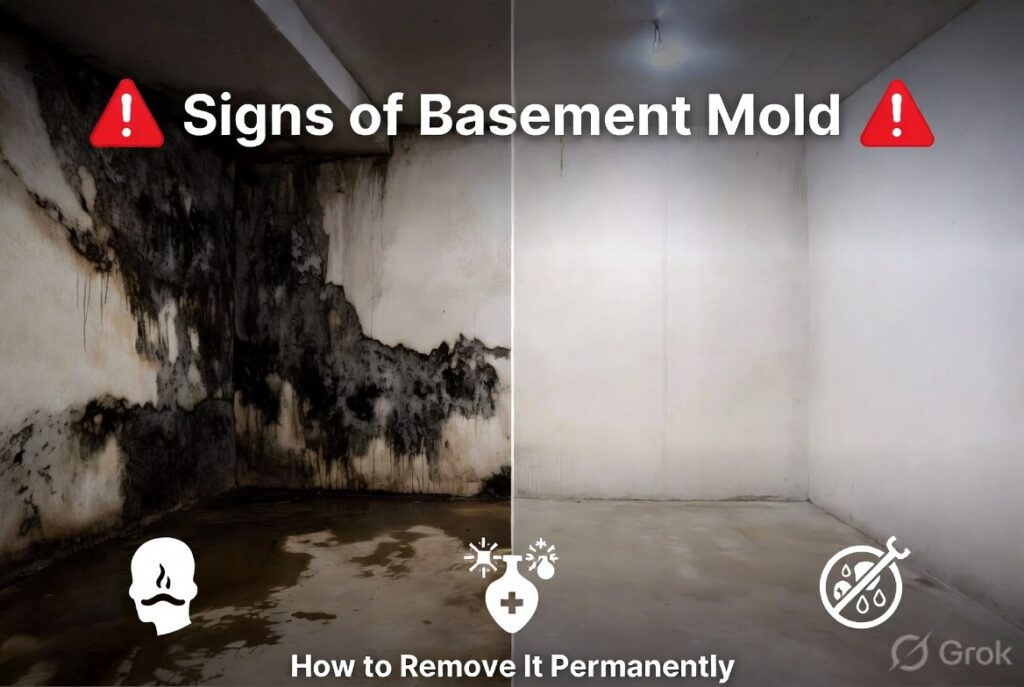

A healthy home starts with a clean and dry foundation, and your basement plays a major role in maintaining indoor air quality. Unfortunately, basements are often vulnerable to excess moisture, poor ventilation, and hidden water leaks, making them one of the most common areas for mold growth. Understanding how to prevent mold in your basement can help protect your property, improve air quality, and reduce potential health concerns for your family.
Mold thrives in damp, dark environments where moisture is present for extended periods. Once mold begins to grow, it can spread quickly across walls, flooring, insulation, and stored belongings. Preventing mold before it becomes a serious issue is far easier and more cost-effective than dealing with extensive remediation later.
Why Basement Mold Is a Common Problem
Basements are naturally more susceptible to moisture than other areas of a home. Factors such as groundwater seepage, plumbing leaks, condensation, and poor airflow can create ideal conditions for mold growth.
Common causes of basement mold include:
- Water leaks from pipes or appliances
- Poor drainage around the home’s foundation
- High indoor humidity levels
- Flooding or water damage
- Inadequate ventilation
- Cracks in basement walls or floors
- Condensation on windows and surfaces
When these issues are not addressed promptly, mold can begin growing within 24 to 48 hours after moisture exposure.
Signs That Mold May Be Developing in Your Basement
Early detection is one of the most effective ways to prevent major mold problems. Homeowners should regularly inspect their basements for warning signs that indicate excess moisture or mold growth.
Look for:
- Musty or earthy odors
- Visible black, green, or white mold spots
- Water stains on walls or ceilings
- Peeling paint or wallpaper
- Increased allergy-like symptoms indoors
- Damp or wet flooring
- Condensation on pipes and windows
If you notice any of these signs, it is important to investigate the source of moisture immediately.
Effective Basement Mold Prevention Tips
Preventing mold requires a combination of moisture control, proper ventilation, and routine maintenance. The following strategies can help keep your basement dry and mold-free throughout the year.
Control Basement Humidity
Humidity levels should ideally remain below 60%, with many experts recommending levels between 30% and 50%.
Ways to reduce humidity include:
- Using a dehumidifier
- Improving air circulation
- Running exhaust fans when necessary
- Monitoring humidity with a hygrometer
- Repairing leaks quickly
Keeping humidity under control makes it difficult for mold spores to grow and spread.
Address Water Leaks Immediately
Even small leaks can create enough moisture to support mold growth. Regularly inspect:
- Plumbing pipes
- Water heaters
- Washing machine connections
- Basement windows
- Foundation walls
Repairing leaks as soon as they are discovered can significantly reduce the risk of mold development.
Improve Ventilation
Proper airflow helps prevent moisture from becoming trapped in enclosed spaces.
Consider:
- Opening basement windows when weather permits
- Installing ventilation systems
- Keeping storage items away from walls
- Using fans to improve air circulation
Good ventilation helps maintain a drier environment and discourages mold growth.
Maintain Proper Drainage Around Your Home
Exterior drainage issues often contribute to basement moisture problems.
Important maintenance tasks include:
- Cleaning gutters regularly
- Extending downspouts away from the foundation
- Ensuring proper yard grading
- Repairing foundation cracks
- Directing water away from the home
Effective drainage reduces the amount of moisture entering your basement.
How Other Home Maintenance Services Support Mold Prevention
Many homeowners focus solely on visible mold prevention while overlooking other systems that impact indoor air quality and moisture control.
For example, furnace cleaning rochester ny services can help reduce dust, allergens, and airborne contaminants that circulate throughout the home. A clean heating system also operates more efficiently and contributes to healthier indoor conditions.
Similarly, dryer vent cleaning rochester ny is an important maintenance task that helps improve airflow and reduce excess moisture buildup. Blocked dryer vents can create humidity issues and increase the risk of moisture-related problems within the home.
By maintaining these systems regularly, homeowners can support a cleaner and healthier indoor environment.
Understanding How to Remove Mold Properly
Many homeowners search for information about how to remove mold when they first notice signs of growth. While small surface mold issues may sometimes be cleaned safely, larger infestations often require professional assessment and remediation.
Proper mold removal involves:
- Identifying the source of moisture
- Containing affected areas
- Removing contaminated materials when necessary
- Cleaning and sanitizing surfaces
- Preventing future mold growth
Simply cleaning visible mold without addressing the moisture source often leads to recurring problems.
When Professional Help Is Necessary
If mold covers a large area, continues returning after cleaning, or is hidden behind walls and flooring, professional remediation may be required.
Professional basement mold removal rochester ny services can help identify hidden mold, address moisture issues, and restore a healthier indoor environment. Trained specialists use industry-approved methods to remove contamination safely and reduce the risk of future growth.
Creating a Long-Term Mold Prevention Plan
The most effective way to maintain a healthy basement is through ongoing prevention and routine inspections.
A long-term mold prevention plan should include:
- Regular moisture inspections
- Annual HVAC maintenance
- Dehumidifier use during humid seasons
- Prompt leak repairs
- Routine drainage system checks
- Proper storage practices
- Professional inspections when concerns arise
These proactive measures help minimize mold risks while protecting your home’s structure and indoor air quality.
Conclusion
Basement mold can affect both the health of your home and the comfort of your family. By controlling moisture, improving ventilation, repairing leaks quickly, and maintaining key household systems, homeowners can significantly reduce the risk of mold growth. On The Spot Cleaners Inc understands the importance of creating healthier indoor environments through proper maintenance and prevention strategies. Taking action today can help protect your property and ensure a cleaner, safer, and more comfortable home for years to come.
Concerned about moisture, mold, or indoor air quality issues? Schedule a professional inspection, stay proactive with routine maintenance, and address water problems early to keep your home healthy, dry, and mold-free throughout the year.