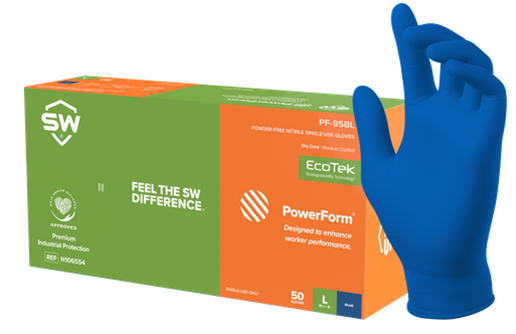

Nitrile gloves are more durable, more resistant to chemical injury, and tend not to cause allergic reactions; these qualities have driven greater nitrile glove usage in all fields. Nitrile gloves remove latex allergy risks because they are made of synthetic rubber. NBR or nitrile butadiene rubber gloves are disposable. They are available in different thicknesses and textures based on use, such as medical uses, food use, or manufacturing grade. Such gloves are also mission-specific for suitable dexterity, supporting nitrile gloves usage.
Choosing the Correct Nitrile Gloves
The choice of appropriate nitrile gloves is guided by the kind of job to be done. Industrial buyers ought to look at issues such as the thickness of gloves, the texture of gloves, the length of cuffs, and chemical compatibility when making purchases for industrial safety supply. In cases where there is a need for thick gloves for heavy-duty purposes and thin gloves for precision-based jobs, it becomes easy for buyers to make informed choices about purchasing suitable gloves.
Know About Nitrile Gloves Uses
Uses of Medical Field: Nitrile Gloves used during medical procedures in hospitals, clinics, and labs.
Food Service: Meeting FDA Guidelines for Food Contact Surfaces
Industrial / Manufacturing: Resist harsh chemicals, greases, and oils in industrial safety supply.
Automotive Industry: Due to its oil resistance, it is one of the most preferred materials by mechanics and automotive experts.
Sanitary/Cleaning: protect against contamination of sanitising chemicals and other cleaning agents
Recommended Procedures for Use and Storage
Proper use of nitrile gloves makes them work better and stay longer. The correct choice of gloves ensures that you do not tear them and are comfortable. It is not recommended to wear punctured or contaminated nitrile gloves. Don’t forget to wash your hands both before and after wearing gloves. It is necessary to remember about the storage of gloves too. The nitrile gloves need to be kept dry, cold, and out of direct sunlight. Thick gloves ensure additional protection when dealing with hazardous substances and heavy jobs, while thin gloves give more flexibility to carry out delicate work, encouraging proper nitrile gloves usage.
Conclusion
Nitrile gloves play a significant role in ensuring safety in many different industries. They are strong and have good resistance to chemicals, making them better than vinyl and latex gloves. We hope that our guide on uses of nitrile gloves for industrial safety supply has been useful. We hope that this guide has made the decision process easier for you, considering that you may need these gloves for healthcare settings, food preparation, or otherwise.
FAQs
Q.Are Nitrile gloves suitable for food preparation purposes?
A. Yes, nitrile gloves are perfectly fine for food prep because they do not contain any latex and have been manufactured to meet food-grade standards, provided that the gloves are free from any powder.
Q.What is the lifetime of nitrile gloves?
A. Nitrile gloves generally have a lifetime of three to five years if stored suitably in a cool and dry environment away from direct sunlight.
Q.Can we use nitrile gloves more than once?
A. The design of these gloves suggests that the users can only use them once, but some people may use these gloves multiple times, depending on the risk involved.
Q.Are nitrile gloves resistant to chemicals?
A. Yes, nitrile gloves offer good resistance to a wide range of chemicals, oils, and solvents, making them a popular choice in industrial, automotive, and laboratory settings. However, resistance levels vary by glove thickness and the specific chemical involved, so it’s best to check compatibility charts for hazardous substances.
Q.How do nitrile gloves compare to latex gloves?
A. Nitrile gloves are latex-free, making them a safe option for people with latex allergies. They’re also generally more puncture-resistant and durable than latex gloves, though latex gloves tend to offer a closer, more elastic fit. Nitrile has become the preferred choice in medical and food industries due to these safety advantages.
Q.How can you tell if a nitrile glove is defective or unsafe to use?
A. Signs of a defective nitrile glove include visible tears, holes, discoloration, a brittle or overly stiff texture, or a strong chemical odor. If a glove doesn’t stretch properly or shows pinholes when inflated with air, it should be discarded immediately, especially in food safety or medical contexts.