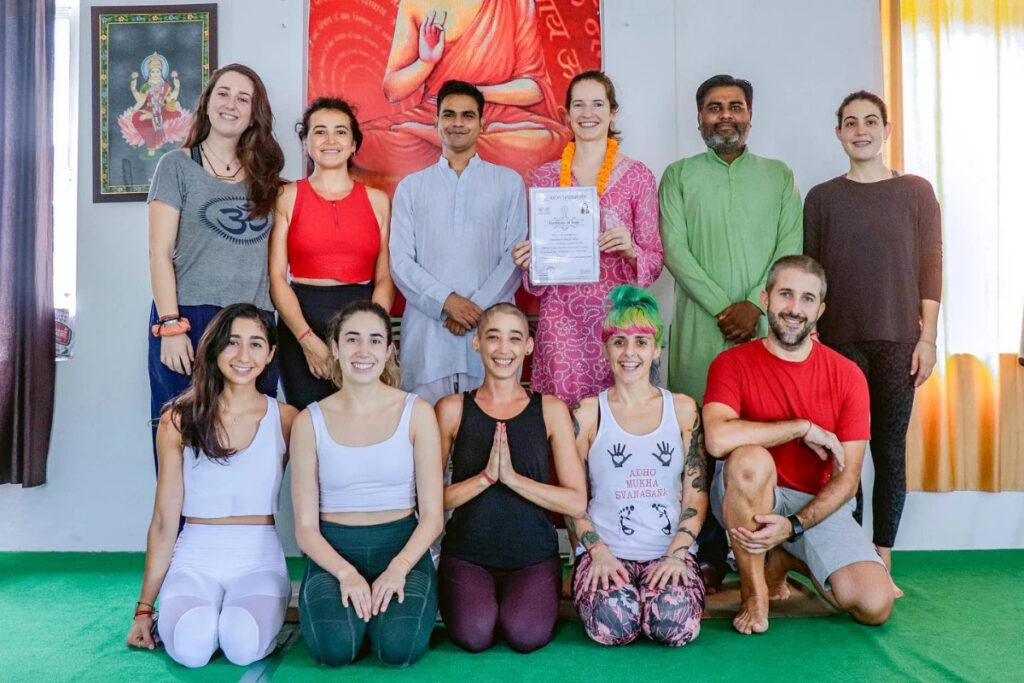

If you aspire to become a highly qualified yoga teacher recognized around the world, you may be wondering how to get RYT 500 certification in India. India, the birthplace of yoga, offers some of the most authentic and internationally respected yoga teacher training programs. Completing an RYT 500 certification not only enhances your teaching skills but also deepens your understanding of yoga as a complete lifestyle encompassing physical practice, philosophy, meditation, anatomy, and spirituality.
The Registered Yoga Teacher (RYT) 500 designation is recognized internationally and demonstrates that you have completed extensive yoga education through a Yoga Alliance Registered Yoga School (RYS). Whether you dream of teaching in studios, leading retreats, conducting online classes, or simply expanding your personal practice, earning this credential can open many professional and personal opportunities.
This guide explains how to get RYT 500 certification in India, including eligibility requirements, training options, course curriculum, certification process, career opportunities, and tips for choosing the right yoga school.
What Is RYT 500 Certification?
Before understanding how to get RYT 500 certification in India, it is important to know what the certification actually means.
RYT 500 stands for Registered Yoga Teacher with 500 hours of professional yoga education. The certification is awarded to teachers who have completed 500 hours of yoga teacher training through a Yoga Alliance Registered Yoga School (RYS) and meet the registration requirements set by Yoga Alliance.
Unlike a basic 200-hour certification, RYT 500 demonstrates advanced training, deeper practical experience, and a broader understanding of yoga teaching.
Many employers, retreat centers, wellness resorts, and yoga studios prefer instructors with RYT 500 credentials because they possess more comprehensive knowledge and teaching experience.
Why Choose India for RYT 500 Certification?
India has been the spiritual home of yoga for thousands of years. Learning yoga in its birthplace offers a unique experience that combines traditional wisdom with modern teaching methods.
Some of the biggest advantages include:
- Authentic yoga teachings
- Experienced Indian yoga masters
- Affordable tuition compared to Western countries
- Peaceful learning environment
- Traditional yogic lifestyle
- Immersion in Indian culture
- International student community
- Globally respected yoga schools
Popular destinations include Rishikesh, Mysore, Goa, Dharamshala, and Kerala, with Rishikesh being the most sought-after location for advanced yoga education.
Step 1: Complete a 200-Hour Yoga Teacher Training
The first step in how to get RYT 500 certification in India is earning a 200-hour yoga teacher training certificate from a Yoga Alliance Registered Yoga School.
The 200-hour course covers foundational topics such as:
- Basic yoga postures
- Pranayama
- Meditation
- Yoga philosophy
- Human anatomy
- Teaching methodology
- Alignment
- Ethics
This training prepares students to safely teach beginner-level yoga classes while building a strong foundation for advanced education.
Step 2: Enroll in a 300-Hour Yoga Teacher Training
After completing the 200-hour course, the next step is enrolling in a 300-hour Yoga Teacher Training Course.
The 300-hour program expands your knowledge through advanced study of:
- Advanced asanas
- Intelligent sequencing
- Hands-on adjustments
- Advanced anatomy
- Yoga therapy concepts
- Ayurveda
- Sanskrit terminology
- Advanced pranayama
- Meditation techniques
- Professional teaching skills
Once both the 200-hour and 300-hour programs are completed, you will have accumulated the required 500 hours of yoga education.
Alternative Option: Direct 500-Hour Yoga Teacher Training
Many schools in India offer integrated 500-hour teacher training courses.
Instead of enrolling separately in 200-hour and 300-hour programs, students complete one continuous course lasting approximately 8–12 weeks.
This option is ideal for those who:
- Want immersive training
- Have sufficient time
- Prefer one continuous learning experience
- Wish to graduate with advanced certification directly
An integrated program provides a seamless progression from foundational concepts to advanced teaching techniques.
Step 3: Study at a Yoga Alliance Registered School
One of the most important steps in how to get RYT 500 certification in India is selecting a Yoga Alliance Registered Yoga School (RYS).
Choosing an RYS ensures that your training follows internationally recognized educational standards.
Before enrolling, verify that the school:
- Is currently registered with Yoga Alliance
- Employs experienced instructors
- Offers a comprehensive curriculum
- Provides practical teaching opportunities
- Maintains positive student reviews
- Has transparent policies and certifications
Studying at an accredited institution makes the certification process much smoother.
Step 4: Complete the Full Curriculum
A typical 500-hour yoga teacher training in India includes comprehensive education in multiple disciplines.
Yoga Asana
Students practice:
- Standing poses
- Sitting poses
- Twists
- Hip openers
- Forward bends
- Backbends
- Arm balances
- Inversions
- Restorative yoga
- Yin yoga
Teachers explain proper alignment, modifications, benefits, contraindications, and teaching cues.
Pranayama
Breathwork training includes:
- Kapalabhati
- Nadi Shodhana
- Ujjayi
- Bhastrika
- Sheetali
- Bhramari
- Surya Bhedana
Students learn both traditional techniques and modern scientific perspectives.
Meditation
Meditation forms a core component of advanced yoga education.
Training often includes:
- Mindfulness
- Silent meditation
- Chakra meditation
- Mantra meditation
- Yoga Nidra
- Guided relaxation
Daily meditation strengthens focus, emotional balance, and self-awareness.
Yoga Philosophy
Students study classical yogic texts, including:
- Yoga Sutras of Patanjali
- Bhagavad Gita
- Hatha Yoga Pradipika
- Upanishads
Topics include:
- Eight Limbs of Yoga
- Karma Yoga
- Bhakti Yoga
- Raja Yoga
- Yamas and Niyamas
- Ethics
- Spiritual development
These teachings help students understand yoga beyond physical exercise.
Anatomy and Physiology
A strong understanding of the human body is essential for safe teaching.
Subjects include:
- Skeletal anatomy
- Muscular system
- Nervous system
- Respiratory system
- Biomechanics
- Injury prevention
- Safe movement principles
Teachers learn how to adapt classes for students with different physical abilities.
Teaching Methodology
Students develop professional teaching skills by practicing:
- Voice projection
- Class sequencing
- Demonstration
- Verbal cueing
- Observation
- Time management
- Student communication
Regular teaching practice builds confidence before graduation.
Step 5: Successfully Complete Assessments
Another essential part of how to get RYT 500 certification in India is successfully passing all assessments.
Depending on the school, assessments may include:
- Written examinations
- Practical teaching demonstrations
- Philosophy assignments
- Anatomy quizzes
- Attendance requirements
- Final teaching evaluation
These evaluations ensure graduates meet international teaching standards.
Step 6: Receive Your 500-Hour Certificate
After successfully completing the program, your yoga school awards a 500-hour teacher training certificate.
This certificate verifies that you have completed the required educational hours.
However, obtaining the certificate is only one part of becoming an RYT 500.
Step 7: Register with Yoga Alliance
The final step in how to get RYT 500 certification in India is registering with Yoga Alliance.
Once eligible, you can submit:
- Your graduation certificate
- Required documentation
- Registration application
- Applicable registration fees
After approval, you earn the Registered Yoga Teacher (RYT 500) designation and can list yourself in the Yoga Alliance directory.
This credential is recognized by yoga schools, studios, retreat centers, and employers in many countries.
Skills You Develop During the Course
A quality 500-hour program helps students develop numerous practical and professional skills, including:
- Advanced teaching confidence
- Intelligent class sequencing
- Hands-on adjustments
- Student assessment
- Meditation guidance
- Breathwork instruction
- Injury prevention
- Yoga philosophy integration
- Professional ethics
- Leadership abilities
These skills distinguish RYT 500 teachers from those with only foundational certification.
Benefits of Becoming an RYT 500 Teacher
There are many advantages to earning this advanced credential.
International Recognition
RYT 500 is widely recognized in the global yoga community and demonstrates a high level of professional training.
Better Career Opportunities
Many employers prefer instructors with advanced certification for:
- Yoga studios
- Retreat centers
- Wellness resorts
- Luxury hotels
- Corporate wellness programs
Higher Teaching Confidence
Graduates gain practical experience teaching diverse students and handling different classroom situations.
Deeper Personal Growth
The immersive nature of training supports emotional resilience, mindfulness, discipline, and spiritual development.
Expanded Knowledge
Students graduate with a holistic understanding of yoga that includes philosophy, anatomy, breathwork, meditation, Ayurveda, and ethics.
Career Opportunities After RYT 500 Certification
After earning your certification, you may pursue careers as:
- Yoga studio instructor
- Retreat teacher
- Online yoga educator
- Corporate wellness trainer
- Private yoga coach
- Workshop facilitator
- Wellness consultant
- Teacher trainer assistant
- International yoga instructor
Some graduates even establish their own yoga schools or wellness businesses.
Tips for Choosing the Right Yoga School in India
Selecting the right school plays a major role in your learning experience.
Consider the following factors:
- Yoga Alliance registration
- Experienced teaching faculty
- Comprehensive curriculum
- Small class sizes
- Comfortable accommodation
- Healthy vegetarian meals
- Positive alumni reviews
- Practical teaching opportunities
- Transparent pricing
- Ongoing student support
Research thoroughly before making your final decision to ensure the school aligns with your goals.
Common Mistakes to Avoid
While pursuing your certification, avoid these common mistakes:
- Choosing a school based only on low cost
- Ignoring accreditation status
- Skipping daily practice
- Neglecting philosophy and anatomy studies
- Focusing only on advanced postures
- Avoiding teaching practice
- Expecting instant mastery
Approach the journey with patience, curiosity, and commitment to lifelong learning.
Final Thoughts
Understanding how to get RYT 500 certification in India is the first step toward becoming a knowledgeable, confident, and internationally recognized yoga teacher. The process involves completing 500 hours of professional yoga education through a Yoga Alliance Registered Yoga School, mastering subjects such as asana, pranayama, meditation, anatomy, philosophy, and teaching methodology, and registering with Yoga Alliance after graduation.
India remains one of the best destinations for this transformative journey because it offers authentic teachings, experienced instructors, rich spiritual traditions, and immersive learning environments. Whether you choose to complete separate 200-hour and 300-hour programs or enroll in an integrated 500-hour course, the experience can profoundly shape both your personal practice and your professional future.
By dedicating yourself to disciplined study and consistent practice, you will not only achieve the RYT 500 designation but also develop the wisdom, confidence, and teaching expertise needed to inspire students around the world.