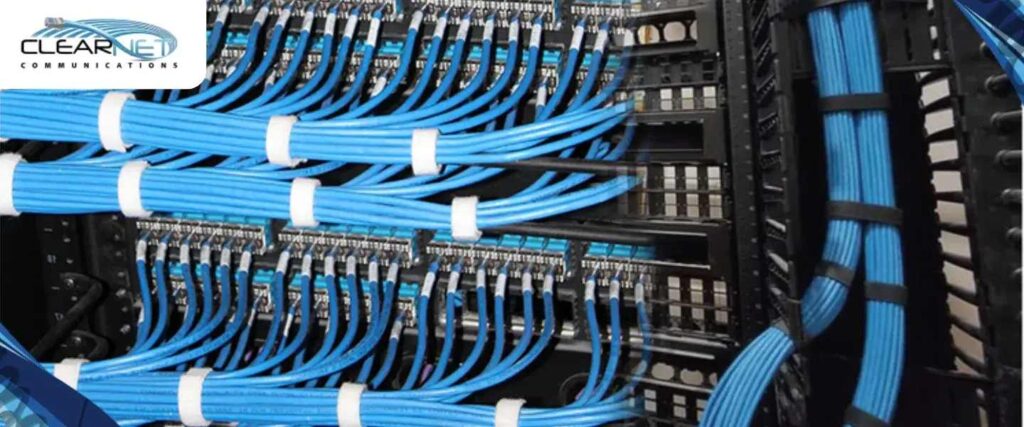

Welcome to the world of structured cabling! If you’ve ever wondered about the IDF meaning in this context, you’re in the right place. Here at Clearnet Communications, we specialize in network cabling and fiber optic solutions across Washington, USA. From Seattle to Spokane, we’ve got you covered. Today, we’ll demystify the IDF concept, especially its role in networking. Let’s dive into what makes IDF crucial for both businesses and homeowners. We’ll provide real-world examples and practical tips. By the end, you’ll know why an IDF is essential for your network needs. Ready? Let’s get started!
What is the IDF Concept?
So, what does IDF mean? The term IDF stands for Intermediate Distribution Frame. In networking, it’s a critical piece of equipment. It connects and manages network cables from different locations. Think of it as a local hub for network connections. This hub helps distribute and organize data efficiently. You might ask, “Why is this important?” Well, an IDF helps keep your network organized and running smoothly.
Consider a large office building. It has multiple floors and numerous network devices. An IDF would be on each floor. It connects to the Main Distribution Frame (MDF). The MDF is the network’s central hub. Together, they ensure seamless data flow throughout the building.
Real-World Example of IDF in Networking
Let’s paint a picture. Imagine Clearnet Communications setting up a network in a school in Tacoma. Each building has its own IDF. These IDFs link to a central MDF in the main office. This setup ensures that every classroom has fast and reliable internet. Teachers can stream videos and students can research online without a hitch.
Without an IDF, connecting each classroom directly to the MDF would be chaotic. It would require long cables and create a tangled mess. Instead, IDFs simplify these connections. They shorten cable lengths and keep them organized. This makes it easier to manage and maintain the network.
IDF vs. MDF: What’s the Difference?
Now, let’s compare IDF and MDF. Both are essential in structured cabling. The Main Distribution Frame (MDF) acts as the central point. It connects external lines to the internal network. On the other hand, the IDF serves as a local distribution point. It connects to the MDF and spreads the network across smaller areas.
Think of the MDF as the heart of the network. The IDFs are like veins spreading outwards. They deliver network access to various parts of a building. By having both, you maximize network efficiency and reliability.
Benefits of Structured Cabling with IDF
Structured cabling with IDF offers numerous benefits. First, it enhances network performance. By organizing cables, it reduces interference and improves data speed. Second, it simplifies maintenance. When issues arise, technicians can easily locate and fix them. Third, it supports future growth. Adding new devices or expanding the network becomes straightforward.
Imagine a business in Bellevue. They’re expanding and need to connect new offices. With structured cabling, this process is seamless. An IDF in each office links to the MDF. This setup allows for easy expansion without disrupting the existing network.
Choosing the Right IDF for Your Network
Picking the right IDF is crucial. First, consider the size of your network. Larger networks need more robust IDFs. Second, think about your location. Ensure the IDF can handle environmental factors like temperature and humidity. Third, plan for future needs. Choose an IDF that can accommodate growth.
For example, a tech company in Redmond might have specific requirements. Their IDF needs to support high-speed data transfer and have room for additional connections. By selecting the right IDF, they ensure their network remains efficient and reliable.
Installation Tips for Your IDF
Installing an IDF requires careful planning. First, choose the right location. It should be central to the areas it serves. This minimizes cable lengths and reduces costs. Second, ensure proper ventilation. Overheating can damage equipment. Third, label cables clearly. This makes future maintenance easier and faster.
Consider a business in Everett setting up a new IDF. By placing it centrally and ensuring good airflow, they optimize performance. Labeling cables ensures quick troubleshooting. This approach reduces downtime and keeps the network running smoothly.
Maintenance Best Practices for IDF
Regular maintenance keeps your IDF in top shape. First, schedule routine inspections. Check for wear and tear, and replace damaged cables. Second, keep the area clean. Dust can accumulate and affect performance. Third, update firmware regularly. This ensures your equipment runs efficiently.
Take a healthcare facility in Kent, for instance. They rely on their network for critical operations. Regular maintenance of their IDF ensures reliability and minimizes downtime. By following these practices, they maintain a high standard of service.
Choosing a Network Contractor for IDF Installation
Finding the right contractor is essential. First, look for experience. A knowledgeable contractor understands your specific needs. Second, check references. Previous clients can provide insights into their reliability. Third, ensure they offer comprehensive services. From installation to maintenance, they should cover all bases.
For instance, Clearnet Communications in Washington, USA, offers expert services. They have a track record of successful installations in Seattle and beyond. Choosing a trusted contractor ensures your network is in safe hands.
The Future of IDF in Networking
The future of IDF in networking is promising. With the rise of smart devices and IoT, demand for efficient networks grows. IDFs will continue to play a vital role. They will evolve to support higher data speeds and new technologies. Innovations like AI-driven monitoring are on the horizon.
Imagine a future where IDFs in Spokane are smart. They detect issues automatically and notify technicians. This reduces downtime and improves efficiency. The future looks bright for IDFs in networking.
Frequently Asked Questions
What is the IDF meaning in networking?
In networking, IDF stands for Intermediate Distribution Frame. It’s a critical hub that connects and organizes network cables within a building.
How does an IDF differ from an MDF?
An IDF serves as a local hub, distributing network connections across smaller areas. The MDF is the central hub connecting external and internal network lines.
Why is structured cabling important?
Structured cabling enhances network performance, simplifies maintenance, and supports scalability. It reduces interference and ensures organized data flow.
What should I consider when choosing an IDF?
Consider your network’s size, environmental factors, and future growth. Choose an IDF that can handle your current and future needs.
Thinking about upgrading your network infrastructure? Contact Clearnet Communications for professional network cabling and fiber optic installation services in Washington, USA. Let’s enhance your connectivity together!