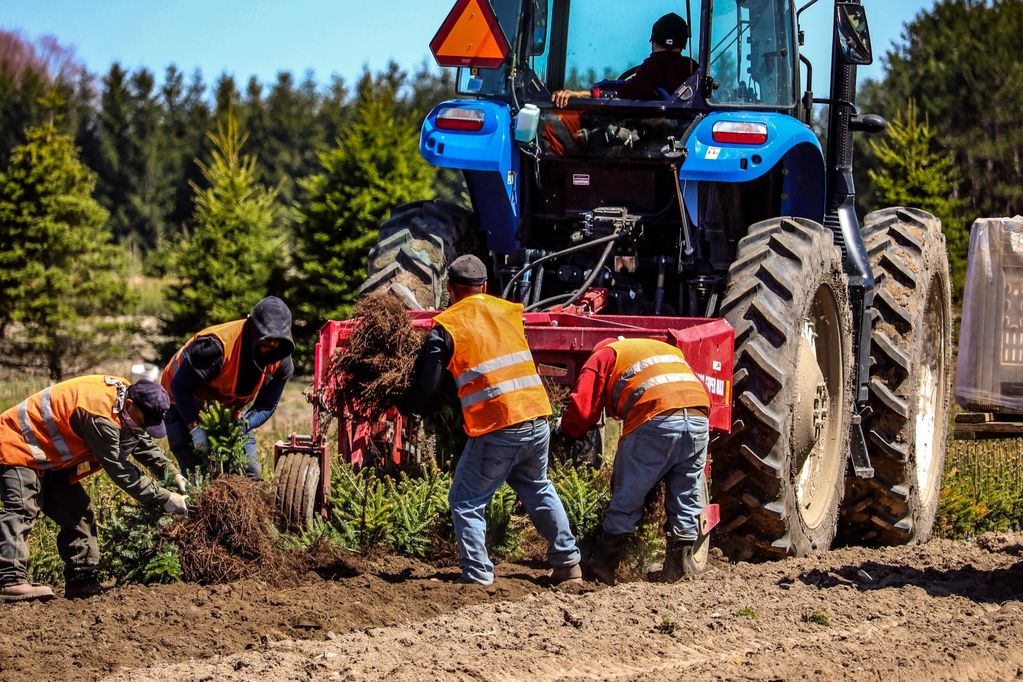

A labor shortage rarely begins on the day a crew falls short. It usually starts earlier, when hiring, housing, transportation, payroll, and compliance are handled as separate tasks instead of one connected plan. The work still needs to move. Orders still need to ship. Fields, nurseries, and greenhouses still need attention. But the operation begins to feel tighter each day.
That is where agricultural labor management services become useful. They do more than help fill seasonal roles. They support the full labor process behind the workforce, so the operation can stay organized when the season gets busy.
Agricultural Employers Need Systems, Not Only Workers
A farm, nursery, or greenhouse does not benefit from labor alone if the process around that labor is weak. Workers may arrive, but housing may not be ready. Transportation may not match the work schedule. Payroll questions may start to pile up. Managers then spend more time solving labor issues and less time leading the operation.
This is why agricultural labor management services matter. They connect labor planning to real operating needs. The value comes from structure, timing, and follow-through. A stronger labor partnership helps reduce daily strain and supports steadier work from the start of the season to the end of the contract.
Housing and Transportation Affect Daily Performance
Housing and transportation may sound like support details, but they shape labor performance in direct ways. Workers need a clean and ready place to live. They also need dependable transportation that gets them to the worksite on time and supports the flow of the day. When either part breaks down, the entire operation feels it.
In busy seasons, even a small delay in transportation can slow down the start of work across the crew. Housing problems can create stress before the day even begins. Good labor management keeps these issues from becoming daily disruptions. It treats them as core parts of workforce planning, not afterthoughts.
Payroll and Compliance Need Constant Attention
Payroll is one of the clearest examples of why labor management needs structure. Workers expect accurate pay, clear records, and a process that runs without confusion. Employers need the same thing. When payroll is handled poorly, trust drops and management time disappears into avoidable correction.
Compliance also needs close attention. Agricultural employers working with seasonal labor often deal with documentation, labor rules, housing standards, and program requirements that continue throughout the season. A labor partnership that includes payroll administration and compliance support helps keep the operation in order when pressure rises.
H 2A Coordination Is Part of Full Labor Management
For operations using the H 2A visa program, labor management includes more than filing support. It also includes the practical coordination that must happen before and after workers arrive. Timing matters. Records matter. Communication matters. And each step affects how well the season runs once work begins.
This is one reason agricultural employers often need a broader labor partnership instead of a narrow staffing solution. H 2A workers may help solve a seasonal labor gap, but the process around them still needs planning, housing support, transportation, payroll setup, and ongoing oversight. Without that structure, the labor solution can still create operational stress.
Different Operations Need Different Kinds of Support
Nurseries, greenhouses, and farms do not run the same way, so their labor needs should not be handled the same way either. A nursery may need stronger support around order pulling, plant movement, loading, and shipping flow. A greenhouse may depend on consistency in watering, spacing, transplanting, and packing. A farm may need planting crews, pruning support, harvest labor, and general field help across changing conditions.
This is why agricultural labor management services should match the operation. A general staffing approach often misses the details that matter most on the ground. A stronger partnership adapts to the work itself and supports the routines that keep each setting productive.
What Employers Should Expect From Labor Management Services
A strong labor partnership should support the operation in practical ways. It should not stop at recruiting names for open roles. It should help employers manage the full process behind seasonal labor with less confusion and stronger consistency.
That usually includes support with:
- Seasonal worker recruitment
- Farm labor contracting
- H 2A coordination
- Housing arrangements
- Transportation planning
- Payroll administration
- Compliance support
- Returning worker continuity
Better Labor Management Leads to Better Seasons
The real purpose of labor management is not to make the process sound larger than it is. It is to make the season run better. Agricultural employers need workers, but they also need systems that help those workers arrive prepared, stay supported, and contribute to a steadier operation every day.
That is the real value of agricultural labor management services. They help connect labor planning to field work, greenhouse routines, nursery shipping demands, and management oversight. A strong labor partnership reduces pressure where it matters most and helps the operation stay focused on the work that keeps the season moving.
Conclusion
If seasonal labor gaps are putting pressure on your operation, now is the time to look for a labor partnership that supports recruitment, housing, transportation, payroll, and compliance in one connected system. A more organized labor plan can help create a steadier and more productive season.