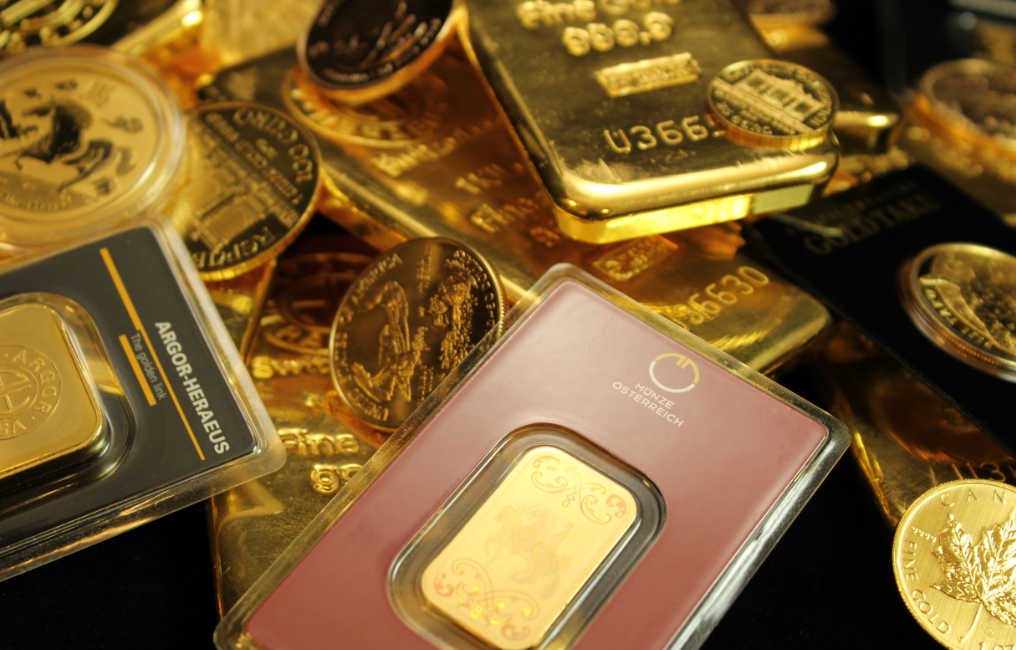

The world of commodities is buzzing. If you have spent any time recently scrolling through the latest finance gossips or monitoring market trends, you have likely noticed that one yellow metal is dominating the conversation: gold.
As we look toward 2026, the sentiment surrounding gold has shifted from cautious optimism to a full-blown bull market narrative. For first-time investors, the entry into precious metals can feel intimidating. However, understanding the factors driving the next gold price target is essential for anyone looking to safeguard their wealth in an era of economic unpredictability.
In this guide, we will break down why gold is trending, what the experts are saying about 2026, and how a beginner can navigate this glittering market.
The Resurgence of the “Safe Haven”
Gold has served as a store of value for thousands of years. Unlike fiat currencies (like the Dollar or Euro), gold cannot be printed out of thin air by central banks. This inherent scarcity is what makes it a “safe haven.”
In 2024 and 2025, we saw a perfect storm of high inflation, geopolitical instability, and fluctuating interest rates. As these themes carry over into the 2026 outlook, the “finance gossips” among hedge fund managers and retail traders alike suggest that gold is no longer just a “crisis asset”—it is becoming a core portfolio staple.
What is Driving the Next Gold Price Target in 2026?
Predicting the exact price of any asset is an educated guess, but in the case of gold, several fundamental pillars support a bullish 2026 forecast.
1. Central Bank Accumulation
One of the biggest drivers of the next gold price target is the behavior of central banks. Countries like China, India, Turkey, and Poland have been purchasing gold at record rates. When central banks buy gold, they are signaling a lack of confidence in the long-term stability of the US Dollar as a reserve currency. This institutional demand creates a “floor” for gold prices.
2. The Interest Rate Pivot
Gold typically has an inverse relationship with interest rates. When rates are high, investors prefer bonds because they offer yield. However, as the Federal Reserve and other global banks look to normalize or cut rates by 2026 to stimulate growth, gold becomes more attractive because it doesn’t “cost” anything to hold relative to low-yielding bonds.
3. Geopolitical Tensions
From trade wars to physical conflicts, the world is in a state of “polycrisis.” History shows that during times of war or political upheaval, gold prices spike. Analysts looking at the 2026 horizon are factoring in continued global instability as a primary reason for a higher price ceiling.
Debunking the Finance Gossips: Fact vs. Fiction
In the age of social media, finance gossips can often lead investors astray. You may hear rumors of gold hitting $5,000 an ounce by next week or, conversely, that gold is “dead money” compared to Bitcoin.
For a first-time investor, it is vital to filter out the noise. Gold is not a “get rich quick” scheme. It is a wealth preservation tool. While the next gold price target might indeed be significantly higher than today’s prices, the journey there will likely involve volatility. The “gossip” often ignores the fact that gold is a long-term play, intended to protect your purchasing power over decades, not days.
How to Prepare Your Portfolio for 2026
If you are a first-time investor, you shouldn’t just run out and buy the first gold coin you see. Strategic planning is key.
-
Determine Your Allocation: Most financial advisors suggest a 5% to 10% allocation of your total portfolio to precious metals.
-
Choose Your Method: You can buy physical gold (coins and bars), Gold ETFs (which track the price without the need for storage), or gold mining stocks (which offer more leverage but higher risk).
-
Storage and Security: If buying physical, where will you keep it? A home safe? A bank vault? A third-party depository? These costs should be factored into your investment.
The Path to 2026: Technical Outlook
Many analysts are currently eyeing the $2,800 to $3,200 range as a realistic next gold price target for the 2026 calendar year. This projection is based on the continuation of the current “debt cycle” where governments continue to spend more than they earn, leading to further currency devaluation.
If gold breaks through its previous all-time highs and maintains that momentum, the psychological barrier of $3,000 will be the next major milestone for investors to watch.
FAQs for First-Time Gold Investors
1. Why is the gold price target for 2026 so bullish?
The bullishness stems from a combination of central bank buying, anticipated interest rate cuts by the Federal Reserve, and ongoing geopolitical risks that drive investors toward safe-haven assets.
2. Is gold better than Bitcoin for a new investor?
Both have “digital gold” characteristics, but gold has a 5,000-year track record of stability. Bitcoin is much more volatile. Many modern investors choose to hold a small percentage of both.
3. What is the difference between “spot price” and “premium”?
The spot price is the current market price of raw gold. When you buy a coin or bar, you pay a “premium” over the spot price, which covers the cost of minting, distribution, and the dealer’s profit.
4. Can I buy gold in my retirement account?
Yes, in many regions, you can open a “Gold IRA” or a self-directed retirement account that allows you to hold physical bullion or gold-backed securities.
5. Does gold pay dividends?
No, physical gold does not pay dividends or interest. Its value comes solely from price appreciation and its ability to act as an insurance policy against economic collapse.
6. How often do gold prices change?
Gold is traded globally 24 hours a day, five days a week. The price fluctuates constantly based on supply, demand, and currency movements.
7. What happens to gold if the US Dollar gets stronger?
Typically, a stronger Dollar makes gold more expensive for holders of other currencies, which can suppress the price. However, in recent years, we have seen gold and the Dollar rise together during periods of extreme global stress.
8. Is 2026 a good exit year or entry year?
Many experts view 2026 as a year where the current bull cycle could peak or consolidate. For a long-term investor, any time is a good entry time if you are “dollar-cost averaging” (buying small amounts regularly).
9. What are the risks of investing in gold?
The primary risks include price volatility, the cost of secure storage, and the potential for “opportunity cost”—the idea that you might miss out on higher gains in the stock market while your money is tied up in gold.
10. How do I sell my gold when I’m ready?
Physical gold is highly liquid. You can sell it back to local coin shops, online bullion dealers, or through specialized auctions. If you hold ETFs, you can sell your shares instantly through your brokerage account.
Final Thoughts
The chatter regarding the finance gossips often centers on the “next big thing,” but gold is the “last big thing”—the ultimate insurance policy. As we approach 2026, the macroeconomic environment seems perfectly aligned for gold to reach new heights.
For first-time investors, the goal shouldn’t be to “time the market” perfectly to hit the next gold price target. Instead, the goal should be to build a foundation of financial security. By understanding the drivers of gold’s value and maintaining a long-term perspective, you can turn the volatility of the mid-2020s into an opportunity for lasting wealth preservation.
Disclaimer: This article is for informational purposes only and does not constitute financial advice. Always consult with a certified financial advisor before making significant investment decisions.