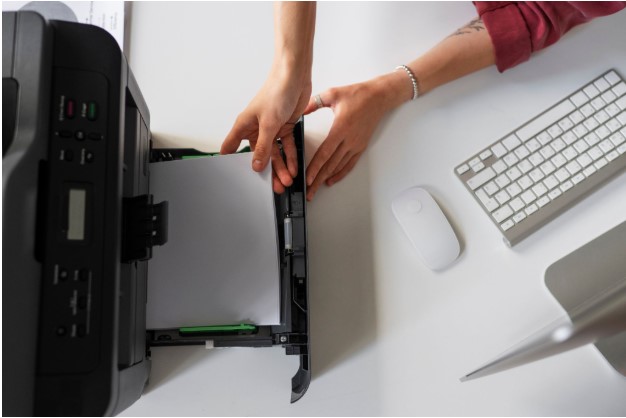

Every business depends on reliable technology to keep operations running smoothly. While computers, servers, and networks often receive the most attention, printers remain an essential part of many workplaces. From invoices and contracts to reports and marketing materials, printers support countless daily tasks. However, many organizations overlook the importance of routine printer care until a major problem occurs.
Investing in professional printer maintenance services can significantly reduce operating costs, improve workplace productivity, and extend the life of valuable office equipment. Rather than viewing maintenance as an additional expense, businesses should consider it a strategic investment that delivers long-term savings and efficiency.
Why Printers Are Critical Business Assets
Although digital technology has reduced paper usage in some industries, printers continue to play a vital role in modern business operations. Many organizations still require printed documents for legal compliance, customer communications, record keeping, and internal processes.
When a printer stops working, the effects can spread throughout the workplace. Employees may struggle to complete tasks, customer service can be delayed, and important deadlines may be missed. These disruptions often cost far more than routine maintenance would have.
Regular maintenance helps ensure that printers remain dependable and ready to support daily business activities.
The True Cost of Printer Downtime
Most companies underestimate the financial impact of printer downtime. When a printer fails unexpectedly, businesses often face multiple hidden costs, including:
- Lost employee productivity
- Delayed projects
- Emergency repair expenses
- Missed deadlines
- Customer dissatisfaction
- Increased stress on IT staff
Even a few hours of downtime can affect workflow and profitability. For organizations that handle high print volumes, prolonged outages can become extremely costly.
Professional maintenance services help minimize downtime by identifying potential problems before they cause interruptions.
Preventive Maintenance vs. Reactive Repairs
Many businesses follow a reactive approach to printer management. They wait until a problem occurs and then call for repairs. While this may seem cost-effective initially, it often leads to larger expenses over time.
Preventive maintenance takes a different approach. Technicians inspect, clean, and service printers regularly to prevent failures before they happen. This strategy offers several advantages:
Fewer Breakdowns
Routine inspections help identify worn components before they fail. Replacing a small part during maintenance is usually much cheaper than repairing extensive damage later.
Predictable Costs
Maintenance plans provide predictable service expenses, making budgeting easier and reducing unexpected repair bills.
Improved Reliability
Regular servicing keeps printers operating consistently, reducing the risk of sudden failures during important projects.
Reducing Ink and Toner Waste
Printer supplies represent a significant expense for many businesses. Poorly maintained printers often consume more ink or toner than necessary due to alignment issues, clogged print heads, or inefficient operation.
Professional maintenance helps optimize printer performance by:
- Cleaning print heads
- Calibrating color settings
- Ensuring proper toner distribution
- Correcting alignment issues
These adjustments improve print quality while reducing supply consumption. Over time, the savings on ink and toner can be substantial.
Extending Equipment Lifespan
Office printers are significant investments. Replacing them frequently can place unnecessary strain on business budgets. Regular maintenance helps protect that investment by extending the life of the equipment.
Components such as rollers, fusers, belts, and print heads experience wear during normal operation. Without proper care, these parts can deteriorate quickly and cause larger system failures.
Routine maintenance ensures that:
- Components remain clean
- Moving parts operate smoothly
- Worn parts are replaced promptly
- Internal systems stay in good condition
A well-maintained printer often lasts several years longer than one that receives little or no maintenance.
Improving Employee Productivity
Employees rely on printers to complete various tasks throughout the workday. Frequent printer issues create frustration and waste valuable time.
Consider how much productivity is lost when employees must:
- Troubleshoot printer errors
- Clear repeated paper jams
- Reprint damaged documents
- Wait for technical support
- Use alternative printing solutions
Regular maintenance reduces these disruptions and allows staff to focus on their primary responsibilities.
When office equipment operates reliably, employees can work more efficiently and meet deadlines more consistently.
Enhancing Print Quality
Professional appearance matters in business. Poor-quality printouts can negatively impact presentations, proposals, and customer communications.
Common print quality issues include:
- Faded text
- Smudged images
- Color inconsistencies
- Streaks across pages
- Blurred graphics
These problems often result from neglected maintenance rather than major hardware failures.
Printer maintenance services help ensure that every document reflects the professionalism of the organization. Clean print heads, calibrated settings, and properly functioning components contribute to sharp, high-quality output.
Preventing Common Printer Problems
Many printer issues can be prevented through routine servicing. Some of the most common problems include:
Paper Jams
Dust buildup and worn rollers frequently cause paper feeding issues. Maintenance technicians inspect and replace worn components before they become problematic.
Connectivity Issues
Firmware updates and software checks help maintain compatibility with computers, networks, and cloud-based printing systems.
Error Messages
Regular diagnostics can identify underlying causes of recurring error codes and prevent future disruptions.
Slow Printing
Performance checks help ensure that printers operate at optimal speed and efficiency.
By addressing these issues proactively, businesses avoid costly interruptions and improve overall performance.
Supporting High-Volume Printing Environments
Organizations with heavy printing demands place significant stress on their equipment. Law firms, healthcare facilities, schools, accounting offices, and logistics companies often rely on printers throughout the day.
High-volume environments require more frequent maintenance because:
- Components wear out faster
- Dust and toner accumulate more quickly
- Print heads experience greater strain
- Rollers process larger quantities of paper
Professional maintenance programs help high-volume printers maintain peak performance despite demanding workloads.
Environmental Benefits of Printer Maintenance
Sustainability has become an important goal for many businesses. Regular printer maintenance can contribute to environmental responsibility by reducing waste and improving efficiency.
Benefits include:
- Lower ink and toner consumption
- Reduced paper waste
- Extended equipment lifespan
- Fewer discarded printers
- Improved energy efficiency
These advantages support both cost savings and environmental initiatives.
What Is Included in Professional Printer Maintenance Services?
A comprehensive maintenance visit typically includes several important tasks:
Internal Cleaning
Technicians remove dust, toner residue, and debris that can interfere with printer performance.
Component Inspection
Critical parts are examined for signs of wear and damage.
Roller Maintenance
Feed rollers are cleaned and evaluated to prevent paper handling issues.
Firmware Updates
Software updates improve functionality, compatibility, and security.
Print Quality Testing
Calibration and testing ensure optimal output quality.
Preventive Repairs
Minor issues are addressed before they develop into major failures.
This proactive approach helps keep printers operating efficiently throughout the year.
Creating a Printer Maintenance Schedule
Every business has different printing needs. The ideal maintenance schedule depends on factors such as:
- Printer age
- Monthly print volume
- Type of printer
- Work environment
- Manufacturer recommendations
Small businesses may benefit from annual or semi-annual servicing, while high-volume organizations often require quarterly maintenance.
Working with a professional service provider can help determine the most effective schedule for your equipment.
Choosing the Right Maintenance Partner
Not all printer service providers offer the same level of expertise. When selecting a maintenance company, consider:
- Industry experience
- Technician certifications
- Response times
- Preventive maintenance programs
- Support for multiple printer brands
- Availability of genuine replacement parts
A reliable maintenance partner can become an important resource for keeping office technology running smoothly.
Conclusion
Businesses depend on printers more than they often realize. When printers fail, productivity drops, deadlines are delayed, and costs quickly increase. Investing in professional printer maintenance services helps organizations avoid these challenges while maximizing the value of their equipment.
From reducing downtime and repair expenses to improving print quality and extending equipment lifespan, routine maintenance delivers measurable benefits. By adopting a proactive maintenance strategy, businesses can save money, improve efficiency, and ensure that their printers continue supporting daily operations for years to come.