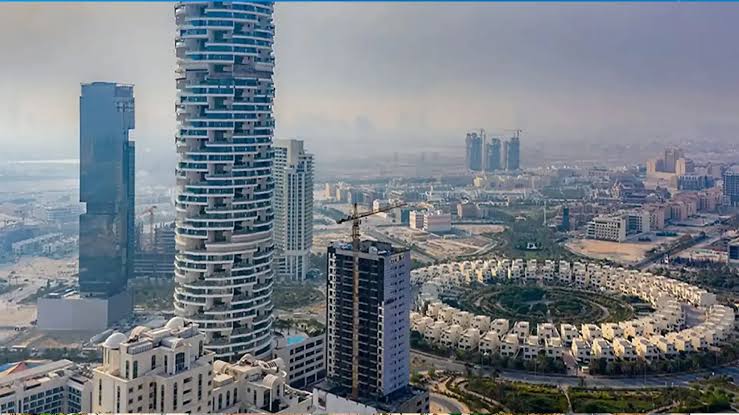

“People may buy a home for its location and design, but they stay because of the community they become part of.”
Luxury housing has traditionally focused on individual benefits such as larger homes, premium finishes, exclusive amenities, and prestigious addresses. While these factors remain important, a significant shift is taking place across Mumbai’s premium real estate market.
Developers are increasingly recognising that modern homebuyers want more than private luxury. They are seeking a sense of belonging, meaningful social connections, and environments that support family life and community engagement.
This evolution is influencing the design and planning of many luxury residential projects in Mumbai, where community-centric living is becoming a defining characteristic of premium developments.
Here are nine reasons why community-focused residential design is shaping the future of Mumbai’s luxury housing market.
- Homebuyers Are Seeking More Meaningful Living Experiences
Luxury is no longer defined solely by physical space.
Today’s buyers increasingly value:
- Social interaction
- Shared experiences
- Family-friendly environments
- Neighbourhood engagement
A strong community enhances everyday living and contributes to overall wellbeing.
Residents often place significant importance on feeling connected to the people and environment around them.
- Multi-Generational Families BenefitFromCommunity Spaces
Many Indian households continue to embrace multi-generational living.
Community-focused developments support these families through:
- Recreational areas
- Landscaped spaces
- Gathering zones
- Family-oriented amenities
These shared environments encourage interaction across age groups while strengthening neighbourhood relationships.
Developments that accommodate multiple generations tend to appeal to a broader range of buyers.
- Wellness Extends Beyond Individual Homes
Wellness is increasingly viewed through a community lens.
Homebuyers now seek environments that support:
- Physical health
- Mental wellbeing
- Social engagement
- Active lifestyles
Community spaces such as gardens, walking paths, and fitness facilities create opportunities for residents to connect while maintaining healthy routines.
This holistic approach to wellbeing has become a major driver of residential preferences.
- Residents Value Opportunities for Social Connection
Urban life can often feel fast-paced and isolated.
Community-centric developments help address this challenge by creating opportunities for:
- Informal interactions
- Resident events
- Shared activities
- Neighbourhood engagement
These connections can enhance quality of life and create a stronger sense of belonging.
For many buyers, community has become an important component of residential value.
- Shared Amenities Encourage Stronger Communities
Luxury developments increasingly feature amenities designed to bring residents together.
Examples include:
- Clubhouses
- Community lounges
- Children’s play areas
- Multipurpose halls
- Outdoor gathering spaces
These facilities encourage interaction and help foster lasting relationships among residents.
The most successful amenities are often those that support both recreation and community-building.
- Families ArePrioritisingChild-Friendly Environments
Parents increasingly seek residential environments that provide safe and engaging spaces for children.
Community-oriented developments offer:
- Play areas
- Open spaces
- Family activities
- Opportunities for social interaction
These features contribute to healthier childhood experiences and strengthen neighbourhood bonds.
Family-friendly planning has become a key consideration in premium housing design.
- Community Living Supports Long-Term Residential Satisfaction
A well-designed community often contributes to higher resident satisfaction over time.
Benefits include:
- Stronger neighbourhood relationships
- Greater sense of security
- Improved social wellbeing
- Increased resident engagement
These factors can positively influence both lifestyle quality and long-term property appeal.
Luxury living increasingly involves creating environments where residents genuinely enjoy spending time.
- Larger Homes Work Better Within Strong Communities
Demand for larger residences remains strong across Mumbai’s premium housing market.
Whether buyers are considering expansive residences or a duplex apartment in Mumbai, many are looking for developments that combine private comfort with vibrant community life.
This balance allows residents to enjoy personal space while remaining connected to a broader social environment.
The combination of privacy and community has become increasingly desirable.
- Redevelopment Is Creating Opportunities for Better Community Design
Many redevelopment initiatives across Mumbai are helping transform ageing buildings into modern residential communities.
Unlike older developments that may have limited common areas, contemporary projects often integrate:
- Landscaped open spaces
- Resident amenities
- Community zones
- Wellness-focused environments
These improvements create opportunities to strengthen neighbourhood engagement while enhancing overall living standards.
Redevelopment is therefore contributing not only to better housing but also to stronger communities.
How Developers Are Embracing Community-Centric Design
Developers increasingly understand that successful residential projects must support both individual lifestyles and collective wellbeing.
This has led to greater emphasis on:
- Thoughtful master planning
- Shared spaces
- Family-oriented amenities
- Wellness-focused design
- Resident engagement opportunities
Among Mumbai’s established developers, Sugee Group has consistently emphasised community continuity through its redevelopment and residential projects. Their approach reflects the growing recognition that successful developments should enhance not only physical living spaces but also the broader residential experience.
By preserving neighbourhood character while introducing modern infrastructure and amenities, developers can create environments where communities continue to thrive.
Conclusion
The increasing focus on community-centric living reflects a broader evolution in how luxury housing is defined.
Modern buyers of luxury residential projects in Mumbai are seeking more than premium residences. They want environments that support relationships, wellbeing, family life, and long-term happiness.
As community becomes an increasingly important component of residential value, developers that successfully integrate these principles into their projects are likely to remain at the forefront of Mumbai’s luxury housing market. For homebuyers evaluating premium opportunities, developers such as Sugee Group offer examples of how thoughtful planning can create stronger, more connected communities.