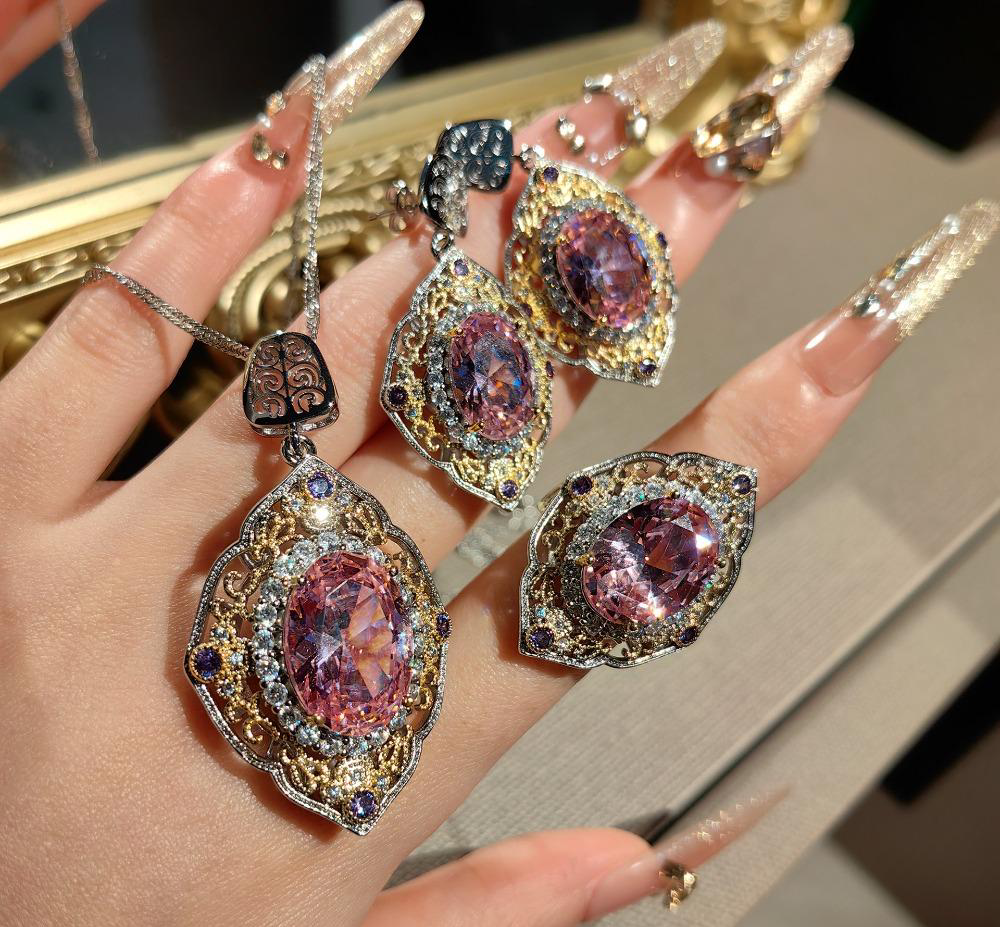

Fine jewelry holds both emotional and financial significance for many people. Some pieces are treasured family heirlooms, while others are purchased as investments or personal accessories. Buyers, collectors, and professional appraisers evaluate several characteristics to determine a piece’s worth. Luxury jewelries often achieve higher values because they combine premium materials with exceptional design and craftsmanship. Understanding the factors that influence jewelry pricing helps consumers make informed purchasing decisions and identify pieces that may retain or increase their value over time.
The Quality Of Precious Metals
Precious metals provide the foundation of every jewelry piece and play a major role in determining value. Gold, platinum, and silver are the most common metals used in fine jewelry. Each metal has unique characteristics that affect durability, rarity, and market demand. Jewelry made from higher-quality metals generally commands stronger prices because it offers better longevity and maintains its appearance for many years. Buyers often consider metal content as one of the first indicators of overall worth.
Gold purity is measured in karats, with higher karat ratings containing a greater percentage of pure gold. Twenty-four karat gold is considered pure, while lower karat options contain additional alloys for strength. Platinum is highly valued due to its rarity and resistance to wear. Silver remains popular because of its affordability and attractive appearance. Market prices for precious metals fluctuate regularly, which directly influences the value of jewelry containing these materials.
The Role Of Gemstone Quality
Gemstones significantly impact the value of fine jewelry and often represent the most valuable component of a piece. Diamonds, sapphires, emeralds, and rubies are among the most sought-after gemstones in the market. Jewelers and gemologists carefully evaluate each stone to determine its quality and potential worth. High-quality gemstones attract stronger demand and can dramatically increase the overall value of jewelry collections.
Several factors influence gemstone value, including color, clarity, cut, and carat weight. Vibrant color and excellent clarity often increase desirability among buyers. A well-executed cut maximizes brilliance and visual appeal, making the stone appear more attractive. Larger gemstones generally command higher prices, although rarity and quality remain equally important considerations. Rare gemstones with exceptional characteristics can achieve substantial market values due to limited availability and strong collector interest.
Craftsmanship And Design Excellence
Craftsmanship plays a critical role in determining how valuable a jewelry piece becomes. Skilled artisans invest time and expertise into creating designs that showcase gemstones and precious metals effectively. Precision in stone setting, polishing, engraving, and finishing contributes to the overall quality of the final product. Exceptional workmanship often distinguishes premium jewelry from ordinary pieces and increases its desirability among buyers.
Design excellence also contributes significantly to market value. Unique artistic concepts and attention to detail create jewelry that stands apart from standard commercial products. Handcrafted pieces frequently carry higher price tags because they require greater labor and specialized skills. Mass-produced jewelry may offer affordability, but handcrafted designs often attract collectors who appreciate originality and superior execution. The combination of creativity and craftsmanship adds lasting value to fine jewelry.
Key Factors Buyers Consider When Evaluating Fine Jewelry
Buyers commonly evaluate jewelry based on the following factors:
- Metal purity and quality
- Gemstone grading and rarity
- Craftsmanship and finishing
- Brand reputation
- Age and historical significance
- Market demand and trends
- Certification and authenticity
These elements work together to determine both current market value and long-term investment potential.
Brand Reputation And Recognition
Brand reputation has a strong influence on jewelry pricing and resale value. Established jewelry houses build trust through consistent quality, skilled craftsmanship, and exceptional customer service. Buyers often feel more confident purchasing jewelry from recognized brands because they associate these names with authenticity and superior standards. Strong brand recognition can increase demand even when similar materials are available from lesser-known manufacturers.
Resale markets frequently reward jewelry from respected brands because buyers recognize the value associated with those names. Well-known companies often maintain detailed records, quality controls, and certification processes that support buyer confidence. Brand prestige can add significant value beyond the cost of materials alone. Collectors and investors regularly seek pieces from established brands because they tend to retain value more effectively over time.
Rarity And Exclusivity
Rarity is one of the most important factors affecting jewelry value. Limited-edition collections and one-of-a-kind creations often command premium prices because they are difficult to obtain. Buyers appreciate exclusive pieces that offer individuality and distinction. Scarcity creates stronger competition among collectors, which can increase market demand and elevate prices over time.
Unique gemstones also contribute to exclusivity. Stones with uncommon colors, exceptional sizes, or rare origins are highly desirable in the jewelry market. Designers sometimes create custom pieces featuring rare materials that cannot be easily replicated. Such jewelry becomes more attractive to buyers seeking something truly distinctive. The relationship between limited supply and strong demand often leads to higher valuations and greater long-term appreciation potential.
Historical And Antique Significance
Historical importance can dramatically increase the value of fine jewelry. Antique and vintage pieces often feature design styles and craftsmanship techniques that reflect specific periods in history. Collectors appreciate these items because they represent cultural traditions and artistic achievements that may no longer be common in modern jewelry manufacturing.
Provenance also contributes to value by documenting ownership history and authenticity. Jewelry associated with notable individuals, historical events, or prestigious collections often attracts significant attention from collectors. Antique pieces that remain in excellent condition are particularly desirable because they combine rarity with historical significance. Strong collector demand for historically important jewelry can result in impressive market values and competitive bidding opportunities.
Certification And Authenticity
Certification provides independent verification of a jewelry piece’s quality and authenticity. Professional grading laboratories evaluate gemstones and precious metals according to established standards. These reports offer detailed information regarding characteristics such as weight, clarity, color, and overall quality. Buyers often rely on certification documents to make informed purchasing decisions and reduce uncertainty.
Authenticity plays a major role in maintaining value and protecting investments. Certified jewelry generally commands higher prices because buyers have confidence in the accuracy of the provided information. Documentation also supports future resale efforts by providing proof of quality and origin. Reliable certification can make the difference between a routine purchase and a highly desirable investment-grade jewelry piece.
Market Demand And Economic Conditions
Market demand directly influences jewelry prices across all categories. Consumer preferences shift over time, affecting the popularity of certain gemstones, metals, and design styles. Jewelry trends can increase demand for specific products and contribute to higher valuations. Strong interest from consumers often creates favorable market conditions for sellers and collectors.
Economic conditions also impact the jewelry industry. Periods of economic growth typically encourage luxury spending and increased investment activity. Precious metals and gemstones may experience price fluctuations based on global supply, demand, and financial market performance. Investors sometimes purchase jewelry as a store of value during uncertain economic periods. These factors collectively shape market pricing and influence overall jewelry value.
Condition And Maintenance History
The physical condition of a jewelry piece plays a crucial role in determining its worth. Well-preserved jewelry generally commands higher prices because it retains its original beauty and structural integrity. Regular cleaning, proper storage, and professional inspections help maintain a piece’s appearance and functionality. Buyers often prefer jewelry that requires minimal restoration or repair.
Maintenance history provides insight into how a piece has been cared for throughout its lifespan. Excessive wear, damaged settings, missing stones, or visible repairs may reduce value. Professional maintenance records can reassure buyers that proper care has been provided over the years. Preserving jewelry in excellent condition supports stronger resale opportunities and helps protect long-term investment value.
Conclusion
The value of fine jewelry depends on a combination of important factors that influence desirability, rarity, and market demand. Precious metal quality, gemstone characteristics, craftsmanship, brand reputation, certification, historical significance, and condition all contribute to overall worth. Buyers seeking long-term value should carefully evaluate these elements before making a purchase. A thoughtful approach focused on quality, authenticity, and rarity can help ensure that jewelry remains both a cherished possession and a valuable financial asset for years to come.