
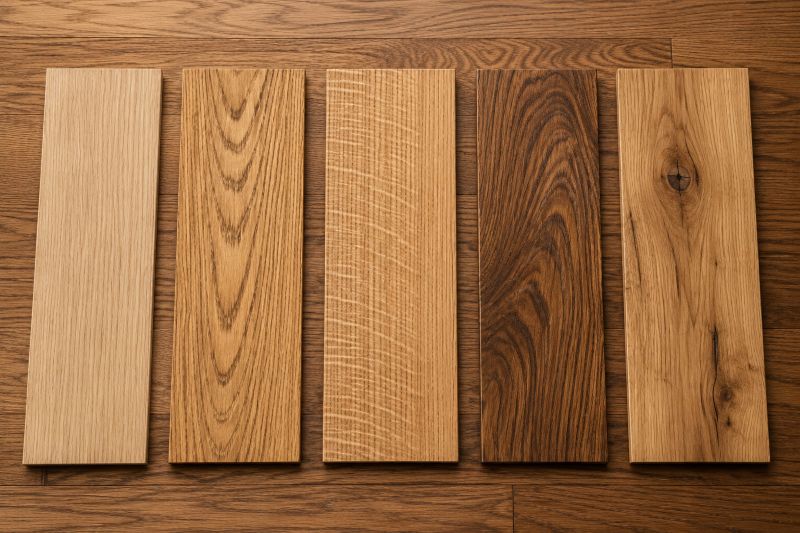

Hardwood flooring is often chosen for its timeless appearance, long lifespan, and ability to increase the value of a home. While species selection, installation quality, and maintenance practices all play important roles in floor performance, one factor is frequently overlooked: grain patterns. The grain of a hardwood floor influences not only its visual appeal but also its durability, stability, and resistance to everyday wear.
For homeowners investing in flooring services in Portland ME, understanding grain patterns can help them make smarter decisions about hardwood flooring materials. Different grain structures respond differently to foot traffic, moisture fluctuations, dents, scratches, and seasonal movement. Choosing the right grain pattern for your lifestyle and environment can significantly extend the life of your floors.
At D&T Hardwood Floors, helping homeowners understand these details is part of creating durable, beautiful hardwood flooring solutions that stand the test of time.
Understanding Hardwood Grain Patterns
Grain patterns refer to the arrangement and direction of wood fibers within a board. These fibers develop as a tree grows and create distinctive visual characteristics once the wood is cut and milled.
The grain pattern visible in hardwood flooring depends on both the species of wood and the cutting method used during manufacturing.
What Creates Grain Patterns?
Several factors influence grain appearance:
- Tree growth conditions
- Wood species
- Annual growth rings
- Milling techniques
- Natural mineral streaks and knots
Every hardwood plank contains a unique pattern, making natural wood flooring one of the most distinctive flooring options available.
Common Hardwood Grain Types
The most common grain patterns found in hardwood flooring include:
Straight Grain
Straight grain features fibers running in a consistent direction. This pattern creates a clean, uniform appearance and is often associated with greater dimensional stability.
Curly Grain
Curly grain displays wavy or rippled patterns. While visually attractive, it may be more susceptible to uneven wear depending on the species.
Spiral Grain
Spiral grain occurs when wood fibers grow in a twisting pattern around the tree trunk. This can create interesting aesthetics but may affect stability.
Interlocked Grain
Interlocked grain features fibers that alternate direction as the tree grows. This grain type often provides enhanced strength and visual character.
How Grain Patterns Affect Hardwood Durability
The structure of wood fibers directly impacts how flooring performs under daily use.
Resistance to Wear and Tear
Straight-grain hardwood generally wears more evenly than highly irregular grain patterns. Consistent fiber alignment distributes pressure more effectively across the surface.
In high-traffic areas such as hallways, kitchens, and living rooms, straight-grain flooring often maintains its appearance longer.
Interlocked grain patterns can also perform exceptionally well because the alternating fibers create additional structural integrity.
Dent Resistance
Wood density remains the primary factor in dent resistance, but grain structure contributes as well.
Tight, uniform grain patterns typically offer:
- Better resistance to furniture dents
- Improved protection against dropped objects
- More consistent surface hardness
For example, white oak’s relatively tight grain structure helps make it one of the most durable flooring choices available for residential settings.
Scratch Visibility
Interestingly, grain patterns can influence how noticeable scratches become over time.
Floors with pronounced grain variation often hide minor scratches better than uniform-grain surfaces because the natural pattern disguises imperfections.
Rustic oak flooring is a common example. Its visible grain texture helps conceal everyday wear, making it a practical choice for busy households.
The Impact of Cutting Methods on Grain and Durability
The way lumber is cut from a log significantly influences grain appearance and flooring performance.
Plain-Sawn Hardwood
Plain-sawn flooring is the most common and affordable option.
Characteristics include:
- Cathedral-shaped grain patterns
- Wider visual variation
- Greater expansion and contraction potential
While beautiful, plain-sawn boards may experience more seasonal movement in regions with changing humidity levels.
Quarter-Sawn Hardwood
Quarter-sawn boards are cut at a different angle, exposing tighter grain lines.
Benefits include:
- Increased stability
- Reduced expansion and contraction
- Enhanced durability
- Distinctive linear grain appearance
Many flooring professionals consider quarter-sawn oak among the best options for long-term performance.
Rift-Sawn Hardwood
Rift-sawn flooring produces very straight, consistent grain patterns.
Advantages include:
- Excellent dimensional stability
- Minimal movement
- Modern appearance
- High-performance durability
Although more expensive, rift-sawn hardwood is often selected for premium flooring projects.
Grain Patterns and Moisture Stability
One of the biggest threats to hardwood flooring is moisture fluctuation.
Portland, Maine experiences seasonal humidity changes throughout the year. Winter heating systems can dry indoor air significantly, while summer months often bring increased moisture.
Why Grain Matters
Wood naturally expands and contracts across its grain.
Boards with certain grain orientations are more susceptible to movement.
Quarter-sawn and rift-sawn boards typically:
- Resist cupping
- Minimize gapping
- Reduce seasonal movement
- Maintain flatter surfaces
For homeowners seeking flooring services in Portland ME, selecting a grain structure suited to local climate conditions can improve floor longevity.
Comparing Popular Hardwood Species by Grain Pattern
Different hardwood species display unique grain characteristics that affect performance.
White Oak
White oak remains one of the most trusted hardwood flooring choices.
Benefits include:
- Tight grain structure
- Excellent moisture resistance
- High durability
- Attractive natural variation
Its durability makes it a top-rated option for active households.
Red Oak
Red oak features a more open grain pattern.
Advantages include:
- Distinctive appearance
- Good durability
- Wide stain compatibility
- Affordable pricing
Although slightly less moisture-resistant than white oak, it remains a reliable flooring material.
Maple
Maple exhibits a subtle, fine grain pattern.
Key characteristics:
- Smooth appearance
- High hardness rating
- Modern aesthetic
- Excellent wear resistance
Maple is commonly installed in high-traffic residential and commercial settings.
Hickory
Hickory offers dramatic grain variation and exceptional hardness.
Benefits include:
- Outstanding impact resistance
- Rustic visual appeal
- Long-term durability
- Strong performance in busy homes
Its high-performance characteristics make it ideal for families with pets and children.
Real-World Example: Choosing the Right Grain for a Busy Family Home
Consider a family in Portland with three children, a large dog, and heavy daily foot traffic.
Initially, they considered a highly polished exotic hardwood with a smooth, uniform grain. While visually stunning, the flooring would likely show scratches and dents more readily.
Instead, they selected quarter-sawn white oak with visible grain character.
The result:
- Better resistance to seasonal movement
- Improved durability
- Less visible wear
- Easier long-term maintenance
Several years later, the flooring continues to perform exceptionally well despite constant use.
This example demonstrates how understanding grain patterns can lead to better flooring decisions and greater long-term satisfaction.
Maintenance Considerations Based on Grain Patterns
Grain patterns can influence maintenance requirements.
Open-Grain Woods
Species with open grain structures may:
- Collect dirt more easily
- Require deeper cleaning
- Benefit from routine maintenance
Examples include oak and ash.
Fine-Grain Woods
Fine-grain species often:
- Offer smoother surfaces
- Simplify cleaning
- Present a more uniform appearance
Examples include maple and cherry.
Regardless of grain type, regular sweeping, proper humidity control, and professional refinishing when needed will maximize floor lifespan.
Best Practices for Selecting Durable Hardwood Flooring
When evaluating hardwood flooring options, homeowners should consider more than color and style.
Focus on Performance Factors
Look at:
- Grain structure
- Species hardness
- Cutting method
- Environmental conditions
- Expected traffic levels
Match Flooring to Lifestyle
Households with:
- Pets
- Children
- Frequent guests
- Active living spaces
Often benefit from more pronounced grain patterns that help conceal wear over time.
Work with Experienced Professionals
A well-experienced flooring contractor can explain how grain orientation, wood species, and installation methods work together to create a durable floor.
Professional guidance ensures homeowners receive flooring recommendations tailored to their home’s conditions and daily use.
Why Professional Installation Matters
Even the most durable hardwood can underperform if installed improperly.
Industry-leading installation practices help maximize the benefits of favorable grain patterns by:
- Acclimating wood properly
- Monitoring moisture levels
- Using proven installation techniques
- Creating stable subfloor conditions
Reliable installation reduces the risk of future issues such as warping, cupping, and excessive movement.
Companies like D&T Hardwood Floors combine quality materials with precise craftsmanship to deliver long-lasting hardwood flooring solutions.
Conclusion
Grain patterns play a far greater role in hardwood durability than many homeowners realize. From scratch resistance and dent protection to moisture stability and long-term performance, the structure and orientation of wood fibers directly influence how a floor ages over time.
Understanding the differences between straight grain, interlocked grain, quarter-sawn, rift-sawn, and plain-sawn lumber allows homeowners to make informed flooring decisions. When paired with the right wood species and professional installation, the appropriate grain pattern can significantly improve durability and appearance for decades.
For homeowners seeking flooring services in Portland ME, evaluating grain patterns alongside species selection is an important step toward achieving beautiful, durable hardwood floors that perform exceptionally well in Maine’s changing climate.
