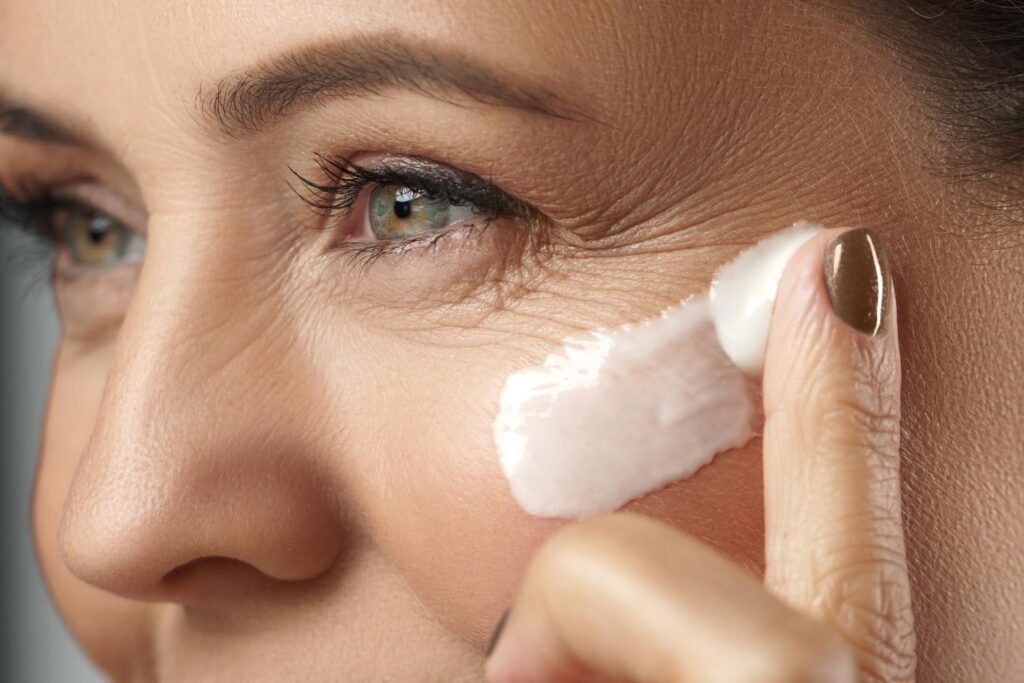

There is no shortage of advice when it comes to fighting wrinkles and fine lines. From miracle creams promising overnight results to social media trends that seem too good to be true, the world of anti-aging is full of noise. Unfortunately, a great deal of that noise is misleading – and acting on bad information can cost you time, money, and even your skin’s health. This article cuts through the confusion. Whether you have recently completed a professional treatment or are simply trying to maintain healthier, younger-looking skin, understanding what is myth and what is genuinely useful can make all the difference to your long-term results.
Common Anti-Aging Myths You Should Stop Believing
Myth: Expensive Products Always Work Better
Price and effectiveness are not the same thing. Many high-end creams contain the same active ingredients as their more affordable counterparts – retinol, hyaluronic acid, niacinamide – just packaged differently. What matters far more than cost is the concentration of active ingredients, their stability in the formulation, and how consistently you use the product. A dermatologist-recommended mid-range product used correctly every night will outperform an overpriced luxury serum applied haphazardly.
Myth: Natural Always Means Safe and Effective
The “natural is better” belief is deeply held but often misapplied in skincare. Lemon juice, for instance, is entirely natural – and it can also cause chemical burns and permanent hyperpigmentation when applied to the skin in sunlight. Many effective anti-aging ingredients, such as peptides and certain acids, are synthesised in labs and are far safer and more predictable than their plant-based alternatives. Always look for evidence of efficacy rather than simply assuming that something natural is gentle or beneficial.
Myth: Anti-Aging Treatments Are Only for Older Skin
Prevention is genuinely one of the most powerful tools in skincare. Starting a proper routine in your late twenties or early thirties – using sunscreen daily, adding a retinoid, staying hydrated – can significantly delay the onset of visible ageing. Professional treatments such as chemical peels and microneedling are increasingly recommended for younger patients as a preventive measure, not just a corrective one. Waiting until wrinkles are deeply set makes results harder to achieve.
The Truth About Post-Treatment Aftercare
One of the most common reasons people do not see the results they expect from professional anti-aging treatments is poor aftercare. The treatment itself is only half the equation. What you do in the days and weeks following a procedure largely determines the outcome.
Sun Protection Is Non-Negotiable
After any professional skin treatment – whether it is a laser session, a chemical peel, or microneedling – your skin is in a vulnerable, regenerative state. Exposing it to UV radiation during this period can cause hyperpigmentation, reverse the benefits of the treatment, and even cause lasting damage. A broad-spectrum SPF 50 sunscreen applied every morning, even on cloudy days, is not optional.
It is the single most important step in your post-treatment routine.
Hydration and Barrier Repair
Most anti-aging treatments temporarily compromise the skin’s outer barrier. This is intentional – controlled injury triggers collagen production – but it also means your skin needs extra support while it heals. Gentle, fragrance-free moisturisers containing ceramides, glycerin, or hyaluronic acid help restore moisture and reinforce the barrier. Avoid active ingredients like retinoids and AHAs during the recovery phase unless your dermatologist specifically instructs otherwise.
What to Avoid in the First Week
Heat, sweat, and friction are your skin’s enemies immediately after treatment. Avoid hot showers, steam rooms, heavy exercise, and any scrubbing or exfoliating for at least five to seven days. Touching your face frequently, picking at flaking skin, or applying heavy makeup too soon can introduce bacteria and interfere with healing. Patience during this period pays dividends in the final result.
Long-Term Maintenance: Keeping Results Alive
Consistency Beats Intensity
A single high-end treatment followed by months of neglect will not sustain results. Long-term skin health is built through daily habits – cleansing properly, applying an antioxidant serum in the morning, using a retinoid at night, and never skipping sunscreen. These steps, repeated consistently over months and years, compound in their effect in a way that sporadic intensive treatments simply cannot match on their own.
Periodic Professional Treatments Make a Difference
Think of professional treatments as maintenance sessions rather than one-off fixes. Many dermatologists recommend scheduling peels or energy-based treatments every three to six months depending on your skin type and concerns.
If you are looking for an Age-Defying Skin Care Treatment in Wakad, spacing out your sessions strategically with the guidance of a qualified dermatologist will yield far better outcomes than a single intensive procedure.
Lifestyle Factors Cannot Be Ignored
No cream or clinical procedure can fully overcome the effects of chronic sleep deprivation, a poor diet, heavy alcohol consumption, or smoking. These factors accelerate cellular ageing at a biological level. Collagen synthesis, skin hydration, and cell turnover are all influenced by what you eat, how much you sleep, and how well you manage stress. Skin that is supported from within always responds better to external treatments.
When to See a Dermatologist Again
Many people make the mistake of only visiting a skin clinic when something goes wrong. A proactive approach is far more effective. Regular check-ins with a dermatologist allow your skin’s progress to be tracked, your maintenance plan to be adjusted seasonally, and any early concerns – such as new pigmentation or loss of volume – to be addressed before they become more significant issues.
Visiting an Anti-Aging Clinic at least once or twice a year, even when you feel your skin looks fine, is a wise investment in your long-term appearance and confidence.
Conclusion
The journey to healthier, younger-looking skin is not a sprint – it is a long game built on accurate information, consistent habits, and professional guidance. Myths will continue to circulate, and new trends will always emerge, but the fundamentals remain unchanged: protect your skin from the sun, nourish it from within, and treat it with evidence-based care. If you are ready to build a personalised, results-driven routine,
the Leading Skin Treatment Clinic in Pimpri Chinchwad offers expert consultations to help you navigate your options with clarity and confidence. The right guidance, taken at the right time, makes all the difference.
Frequently Asked Questions
How soon after a professional treatment can I resume my normal skincare routine?
Most dermatologists recommend waiting at least five to seven days before reintroducing active ingredients like retinoids, AHAs, or vitamin C serums. The exact timeline depends on the type of treatment and how quickly your skin heals, so always follow the specific aftercare advice given by your doctor.
Is it safe to combine multiple anti-aging treatments at the same time?
Combining treatments can be highly effective when done under professional supervision, but layering procedures without guidance increases the risk of irritation, prolonged downtime, and uneven results. A dermatologist will assess your skin’s current state and design a phased plan that maximises results while keeping your skin barrier intact.
Do anti-aging results last permanently?
No anti-aging treatment offers permanent results, because skin ageing is an ongoing biological process. However, results can be prolonged significantly through consistent sun protection, a good home care routine, and periodic maintenance treatments. Many patients maintain their results for one to two years with the right approach before needing a top-up session.
Can I do anti-aging treatments during summer or in a hot climate?
Certain treatments, particularly ablative procedures and medium-depth peels, are better suited to cooler months when sun exposure is lower and the risk of post-inflammatory hyperpigmentation is reduced. However, milder treatments like superficial peels and hydrating facials can often be performed year-round with appropriate precautions. Consult your dermatologist to plan treatment timing wisely.
At what age should someone start professional anti-aging treatments?
There is no fixed age, but most dermatologists agree that the late twenties to early thirties is a good time to start preventive treatments such as light chemical peels, microneedling, or collagen-stimulating therapies. The earlier you begin protecting and supporting your skin with professional care, the more gradual and natural your ageing process tends to be.
Source: jotform.com