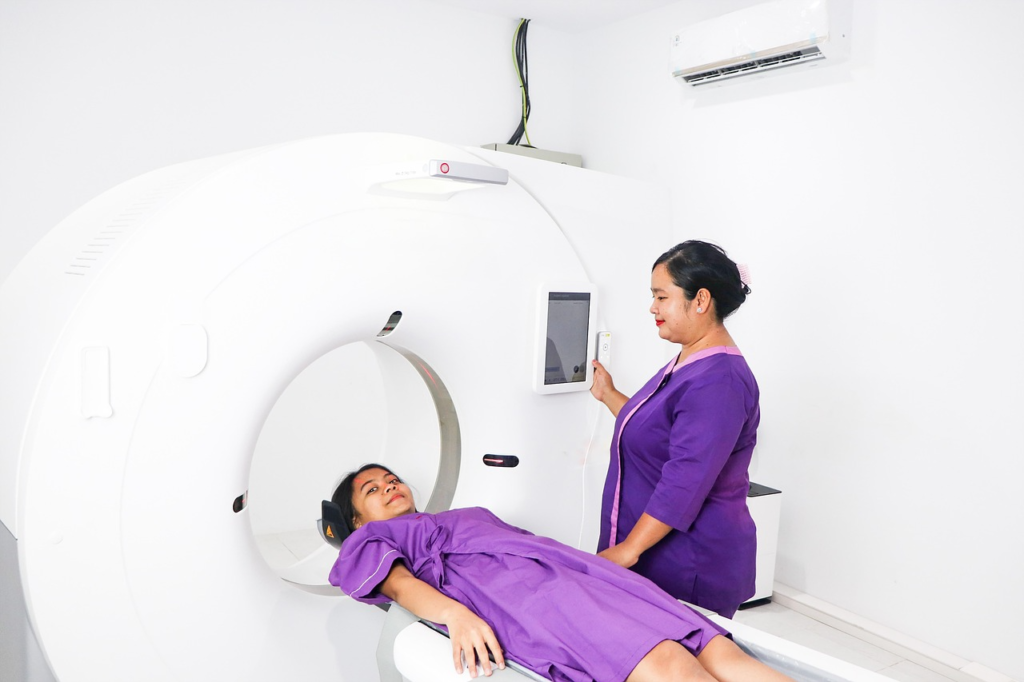

Medical imaging plays a crucial role in diagnosing and monitoring various health conditions. Two of the most commonly used imaging techniques are Magnetic Resonance Imaging (MRI) and Computed Tomography (CT) scans. While both methods help doctors view internal structures of the body, they work differently and are used for different medical purposes. Understanding the benefits, risks, and uses of Mri vs ct scan can help patients make informed healthcare decisions.
What Is an MRI Scan?
MRI (Magnetic Resonance Imaging) uses powerful magnets, radio waves, and computer technology to create detailed images of organs, tissues, muscles, nerves, and other internal body structures. Unlike CT scans, MRI does not use ionizing radiation.
MRI scans are particularly useful for examining soft tissues such as the brain, spinal cord, ligaments, tendons, muscles, and internal organs. They provide highly detailed images that help doctors identify abnormalities that may not be visible through other imaging methods.
What Is a CT Scan?
A CT (Computed Tomography) scan combines multiple X-ray images taken from different angles to create cross-sectional images of the body. CT scans are fast, widely available, and highly effective for detecting injuries, fractures, internal bleeding, and certain diseases.
Because CT scans use X-ray technology, they expose patients to a small amount of radiation. However, the diagnostic benefits often outweigh the risks when the scan is medically necessary.
Benefits of MRI
- No Radiation Exposure
MRI uses magnetic fields instead of radiation, making it a safer option for repeated imaging when necessary.
- Superior Soft Tissue Imaging
MRI provides exceptional detail of soft tissues, making it ideal for neurological, musculoskeletal, and cardiovascular examinations.
- Early Disease Detection
Doctors often use MRI to detect tumors, multiple sclerosis, stroke damage, and joint injuries at an early stage.
- Detailed Brain and Spine Evaluation
MRI is considered one of the best imaging tools for diagnosing conditions affecting the brain and spinal cord.
Benefits of CT Scan
- Fast Imaging Process
CT scans are significantly quicker than MRI scans and can often be completed within minutes.
- Excellent for Emergencies
In trauma or emergency situations, CT scans help doctors quickly identify internal bleeding, fractures, and organ injuries.
- Widely Available
Most hospitals and imaging centers have CT scanners, making them more accessible than MRI machines in some areas.
- Effective for Bone and Lung Imaging
CT scans provide excellent visualization of bones, lungs, and blood vessels.
Risks of MRI
While MRI is generally considered safe, there are some limitations and risks:
- Patients with certain implanted medical devices, pacemakers, or metal fragments may not be eligible for MRI.
- Some individuals experience claustrophobia inside the MRI machine.
- MRI scans typically take longer than CT scans.
- Contrast agents used in some MRI procedures may cause rare allergic reactions.
Risks of CT Scan
The primary concern with CT scans is exposure to ionizing radiation. Although the radiation dose is relatively low, repeated CT scans over time may slightly increase the risk of developing cancer.
Other potential risks include:
- Allergic reactions to contrast dye.
- Possible kidney complications in patients with existing kidney disease when contrast material is used.
Common Uses of MRI and CT Scans
MRI Is Commonly Used For:
- Brain and spinal cord disorders
- Joint and ligament injuries
- Tumor detection
- Heart and blood vessel evaluation
- Soft tissue abnormalities
CT Scan Is Commonly Used For:
- Emergency trauma assessment
- Bone fractures
- Internal bleeding
- Lung diseases
- Cancer screening and monitoring
Which One Is Better?
Neither MRI nor CT scan is universally better; the best choice depends on the medical condition being evaluated. MRI offers superior soft tissue detail without radiation exposure, while CT scans provide rapid imaging and are excellent for emergencies and bone-related conditions.
Your doctor will recommend the most appropriate imaging test based on your symptoms, medical history, and diagnostic needs.
Conclusion
MRI and CT scans are valuable diagnostic tools that help healthcare providers accurately identify and monitor a wide range of medical conditions. MRI is ideal for detailed soft tissue imaging without radiation, while CT scans are faster and highly effective for emergency evaluations and bone imaging. Understanding their benefits, risks, and uses can help patients feel more informed and confident when undergoing medical imaging procedures.