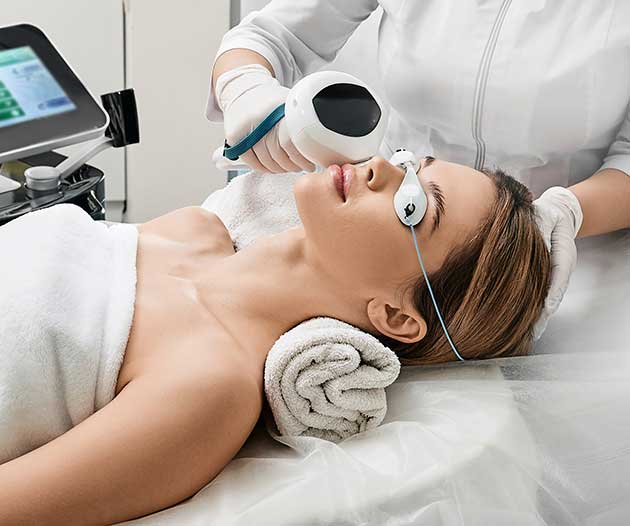

IPL Photofacial is a light-based skin treatment designed to correct uneven skin tone, pigmentation, redness, and sun damage. The treatment uses controlled pulses of light to reach deeper layers of skin where discoloration forms. Unlike topical skincare products that work slowly on the surface, this method targets the root cause of uneven tone. Many individuals choose this treatment because visible improvements can appear in a short period, along with progressive enhancement in brightness and clarity over time.
What Is a Photofacial and How It Works
A photofacial uses Intense Pulsed Light technology to improve skin tone by targeting pigment and vascular concerns. The light energy penetrates the skin and is absorbed by melanin and hemoglobin. This process breaks down unwanted pigment and reduces redness caused by visible blood vessels. The body naturally removes these broken particles over time. At the same time, collagen production is stimulated, which strengthens skin structure and improves overall texture, creating a more even and refreshed appearance.
How Photofacial Improves Skin Tone Quickly
Photofacial treatments improve skin tone through multiple biological responses that occur after light exposure. The process works by targeting pigment clusters and reducing their visibility while supporting skin renewal. It also improves circulation and encourages faster skin regeneration. The combined effects create visible brightness in a short period. Unlike single-focus treatments, IPL addresses multiple concerns at once, which contributes to faster and more noticeable skin tone correction and a healthier complexion overall.
Key Mechanisms Behind Fast Skin Improvement
Several internal processes explain why photofacial results appear quickly. Excess melanin is broken down into smaller particles that are naturally removed by the body. Redness caused by dilated blood vessels becomes less visible as hemoglobin absorbs the light energy. Skin cells begin to regenerate more efficiently, leading to smoother tone. Collagen stimulation further supports structural improvement. These combined mechanisms create a layered healing effect that improves skin appearance within a short timeframe.
Why IPL Photofacial Delivers Noticeable Results Early
IPL photofacial works on multiple skin concerns simultaneously, which contributes to early visible results. Instead of treating only pigmentation or redness separately, the light energy targets all concerns in one session. Many individuals notice an initial glow within days as damaged pigment rises and fades. Over the following weeks, collagen production continues to improve tone and texture. This dual action makes IPL more effective for faster skin tone correction compared to single-action skincare solutions.
Treatment Process: What Patients Can Expect
A photofacial session begins with cleansing the skin to remove surface impurities. A cooling gel is then applied to improve comfort during treatment. Protective eyewear is used to shield the eyes from light pulses. The device delivers controlled flashes of light to targeted areas, creating a mild snapping sensation on the skin. Sessions usually last between 20 to 45 minutes depending on the treatment area. Mild redness may appear afterward but typically fades within a short recovery period.
Skin Concerns Addressed by Photofacial Treatments
IPL photofacial is effective for a wide range of skin concerns that affect tone and clarity. It is commonly used for sun damage, age spots, freckles, and pigmentation irregularities. Redness caused by rosacea or broken capillaries also responds well to treatment. Dull skin tone and early signs of aging improve with repeated sessions. Because it targets multiple issues in one procedure, photofacial offers comprehensive skin correction and noticeable improvement in overall facial appearance.
Timeline: How Fast Results Appear
Results from photofacial treatments vary based on skin condition and treatment consistency. Some individuals notice brightness and reduced redness within a few days after the first session. Pigmented areas may darken before gradually fading as the skin heals. More visible improvements typically appear after two to three sessions. Full results are often achieved after multiple treatments spaced several weeks apart. Continued collagen production supports long-term tone improvement and sustained skin clarity over time.
Factors That Influence Skin Tone Improvement Speed
Several factors affect how quickly skin tone improves after IPL treatment. The severity of pigmentation at the start plays a major role in results speed. Regular treatment sessions improve consistency and effectiveness. Individual healing response also impacts visible changes. Sun exposure after treatment can slow progress and cause new pigmentation. A proper skincare routine supports faster recovery. Age and natural collagen production levels also influence how quickly the skin responds to treatment.
Aftercare Tips for Faster and Better Results
Proper aftercare is important for achieving the best results from a photofacial. Sun protection is essential to prevent new pigmentation from forming after treatment. Daily use of sunscreen supports long-term improvement. Gentle skincare products help avoid irritation during the healing process. Harsh exfoliants should be avoided for several days after treatment. Hydration supports skin recovery and improves texture. Following these steps helps maintain results and speeds up overall skin tone improvement.
Benefits Beyond Skin Tone Improvement
Photofacial treatments offer benefits that extend beyond correcting skin tone. Collagen stimulation improves skin firmness and elasticity over time. Pores may appear smaller due to improved skin structure and renewal. Skin texture becomes smoother and more refined with repeated sessions. Fine lines may also appear reduced as collagen production increases. These additional improvements make IPL a comprehensive skin rejuvenation option rather than a single-purpose pigmentation treatment.
Who Is an Ideal Candidate for Photofacial Treatment
Photofacial is suitable for individuals experiencing mild to moderate pigmentation, sun damage, or redness. People with uneven skin tone and early signs of aging often see good results. Lighter to medium skin tones respond well to IPL treatment, although customized settings can be used for different skin types. A professional consultation is recommended to evaluate suitability and ensure safe treatment parameters. Ideal candidates typically seek non-invasive skin improvement with minimal downtime.
Conclusion:
Photofacial treatment improves skin tone quickly by targeting pigmentation, redness, and texture concerns at the same time. The combination of immediate brightness and gradual collagen stimulation delivers both short-term and long-term results. With consistent sessions and proper aftercare, skin becomes clearer, smoother, and more evenly toned. This makes IPL photofacial a reliable option for individuals seeking noticeable skin improvement without invasive procedures or long recovery periods.