
When most people hear the term blepharoplasty, they often think of a cosmetic procedure designed to create a younger and more refreshed appearance. While eyelid surgery is widely known for its aesthetic benefits, many people are surprised to learn that blepharoplasty can also provide functional improvements, particularly when it comes to vision.
For individuals experiencing drooping upper eyelids, excess skin can do more than make them look tired. In some cases, it can interfere with daily activities by limiting the field of vision. Blepharoplasty in Islamabad may help address this issue by removing or repositioning excess tissue around the eyes, improving both appearance and visual function.
This guide explores how blepharoplasty can impact vision, who may benefit from the procedure, what to expect during treatment, and answers to some of the most frequently asked questions.
Understanding Blepharoplasty
Blepharoplasty, commonly known as eyelid surgery, is a procedure that removes or adjusts excess skin, fat, and muscle from the upper or lower eyelids. The surgery can be performed for cosmetic reasons, functional reasons, or a combination of both.
There are two primary types of blepharoplasty:
Upper Blepharoplasty
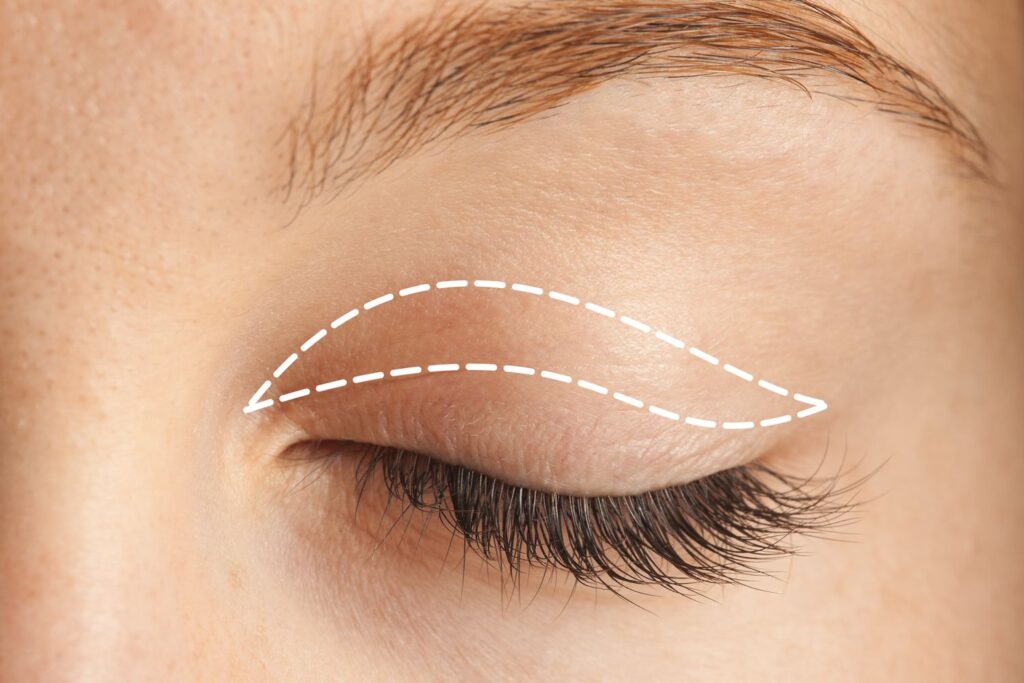
Upper eyelid surgery focuses on correcting sagging or drooping skin that may hang over the eyes. This excess tissue can create a heavy appearance and, in some cases, obstruct vision.
Lower Blepharoplasty
Lower eyelid surgery targets puffiness, under-eye bags, and loose skin beneath the eyes. While this procedure is typically performed for cosmetic enhancement, it can contribute to overall eye rejuvenation.
Among these two procedures, upper blepharoplasty is the one most commonly associated with vision improvement.
How Drooping Eyelids Affect Vision
As people age, the skin naturally loses elasticity. The muscles supporting the eyelids may also weaken over time. This can cause the upper eyelids to droop and create folds of skin that hang over the eyes.
When excess eyelid skin becomes significant, it may begin to block the upper and outer portions of a person’s visual field. This condition can make everyday activities more challenging.
Common symptoms include:
- Difficulty seeing objects above eye level
- Reduced peripheral vision
- Frequently raising the eyebrows to see better
- Eye fatigue during reading or driving
- A feeling of heaviness around the eyes
- Difficulty keeping the eyes fully open
Some individuals may not immediately realize that their vision is being affected because the changes often occur gradually over time.
Can Blepharoplasty Improve Vision?
In many cases, yes.
When excess upper eyelid skin obstructs part of the visual field, upper blepharoplasty can help restore a clearer line of sight by removing the tissue that is causing the blockage.
By lifting and reshaping the upper eyelids, the procedure can:
- Expand the field of vision
- Improve peripheral awareness
- Reduce the need to constantly raise the eyebrows
- Decrease eye strain and fatigue
- Make reading and driving more comfortable
- Improve overall visual function
Patients who experience vision obstruction due to drooping eyelids often report noticeable improvements in daily activities after recovery.
It is important to understand that blepharoplasty does not treat eye diseases or correct refractive errors such as nearsightedness, farsightedness, or astigmatism. Instead, it improves vision by removing physical obstructions caused by excess eyelid tissue.
Signs That Eyelid Surgery May Help Your Vision
Not everyone with drooping eyelids requires surgery. However, certain signs may indicate that blepharoplasty could provide functional benefits.
You may be a candidate if you:
- Have excess skin hanging over your upper eyelashes
- Notice a reduction in your upper field of vision
- Frequently tilt your head backward to see clearly
- Experience eye fatigue throughout the day
- Raise your eyebrows constantly to compensate for drooping eyelids
- Feel that your eyelids are becoming heavier over time
A consultation with a qualified surgeon can help determine whether your symptoms are related to excess eyelid tissue and whether surgery is appropriate.
How Surgeons Evaluate Vision Concerns
Before recommending blepharoplasty, surgeons perform a thorough evaluation of the eyelids and surrounding structures.
The assessment may include:
Medical History Review
Your surgeon will discuss your symptoms, overall health, previous surgeries, and any eye conditions you may have.
Physical Examination
The position of the eyelids, skin quality, muscle strength, and facial anatomy will be carefully evaluated.
Vision Assessment
Visual field testing may be performed to determine whether drooping eyelids are interfering with peripheral vision. This test helps measure how much of your visual field is blocked by excess tissue.
These evaluations help determine whether blepharoplasty is likely to improve visual function.
What Happens During the Procedure?
Upper blepharoplasty is typically performed as an outpatient procedure.
During surgery, the surgeon creates an incision within the natural crease of the upper eyelid. Through this incision, excess skin, fat, and tissue are carefully removed or repositioned.
The incision is then closed using fine sutures, which are designed to minimize visible scarring.
Because the incision follows the natural eyelid fold, scars are usually well concealed after healing.
The procedure generally takes one to two hours, depending on the complexity of the treatment.
Recovery and Vision Improvement
Recovery after blepharoplasty varies from person to person, but most patients experience gradual improvements during the healing process.
Early Recovery
During the first few days, temporary symptoms may include:
- Swelling
- Bruising
- Mild discomfort
- Blurred vision from ointments or swelling
- Sensitivity around the eyes
These effects are usually temporary and improve as healing progresses.
Improvement in Visual Function
As swelling decreases and the eyelids settle into their new position, patients often begin noticing improvements in their visual field.
Many individuals report:
- Better upward vision
- Easier reading
- Improved driving comfort
- Reduced forehead strain
- Less eye fatigue
The full benefits of the procedure become more apparent as healing continues.
Additional Benefits of Blepharoplasty
Even when performed primarily for functional reasons, blepharoplasty often provides cosmetic improvements as well.
Additional benefits may include:
- A more youthful appearance
- Brighter and more open-looking eyes
- Reduced heaviness around the eyelids
- Enhanced facial harmony
- Increased self-confidence
Many patients appreciate the combination of functional and aesthetic improvements achieved through the procedure.
Is Blepharoplasty Right for You?
Blepharoplasty may be an excellent option if drooping eyelids are affecting your vision, comfort, or quality of life.
Ideal candidates generally:
- Are in good overall health
- Have realistic expectations
- Experience vision obstruction from excess eyelid skin
- Have noticeable upper eyelid sagging
- Do not have uncontrolled eye conditions
A consultation with a qualified surgeon is the best way to determine whether blepharoplasty can help address your concerns.
Final Thoughts
Although blepharoplasty is often associated with cosmetic enhancement, its functional benefits should not be overlooked. For individuals whose vision is affected by drooping upper eyelids, eyelid surgery can provide meaningful improvements in daily life.
By removing excess skin and restoring a more open eye area, blepharoplasty may enhance peripheral vision, reduce eye strain, and improve overall comfort. At the same time, the procedure can create a more refreshed and youthful appearance.
If you have noticed that sagging eyelids are interfering with your ability to see clearly, consulting with an experienced surgeon can help you understand whether blepharoplasty is the right solution for your needs.
Frequently Asked Questions (FAQs)
Can blepharoplasty really improve vision?
Yes. Upper blepharoplasty can improve vision when excess eyelid skin blocks part of the visual field.
Does blepharoplasty correct eyesight problems?
No. Blepharoplasty does not correct refractive errors such as nearsightedness, farsightedness, or astigmatism.
How do I know if my eyelids are affecting my vision?
Common signs include difficulty seeing upward, reduced peripheral vision, eye fatigue, and constantly raising your eyebrows to see more clearly.
Is vision testing required before surgery?
Many surgeons perform visual field testing to determine whether excess eyelid skin is restricting vision.
How soon will I notice improvements in vision?
Some patients notice improvements within a few weeks as swelling subsides, while full results may take several months to develop.
Is upper or lower blepharoplasty better for vision improvement?
Upper blepharoplasty is most commonly associated with vision improvement because it addresses drooping upper eyelids.
Will the results last?
Blepharoplasty offers long-lasting improvements, although natural aging continues over time.
Can younger people benefit from functional blepharoplasty?
Yes. Genetics can cause drooping eyelids even in younger adults, making them candidates for the procedure.