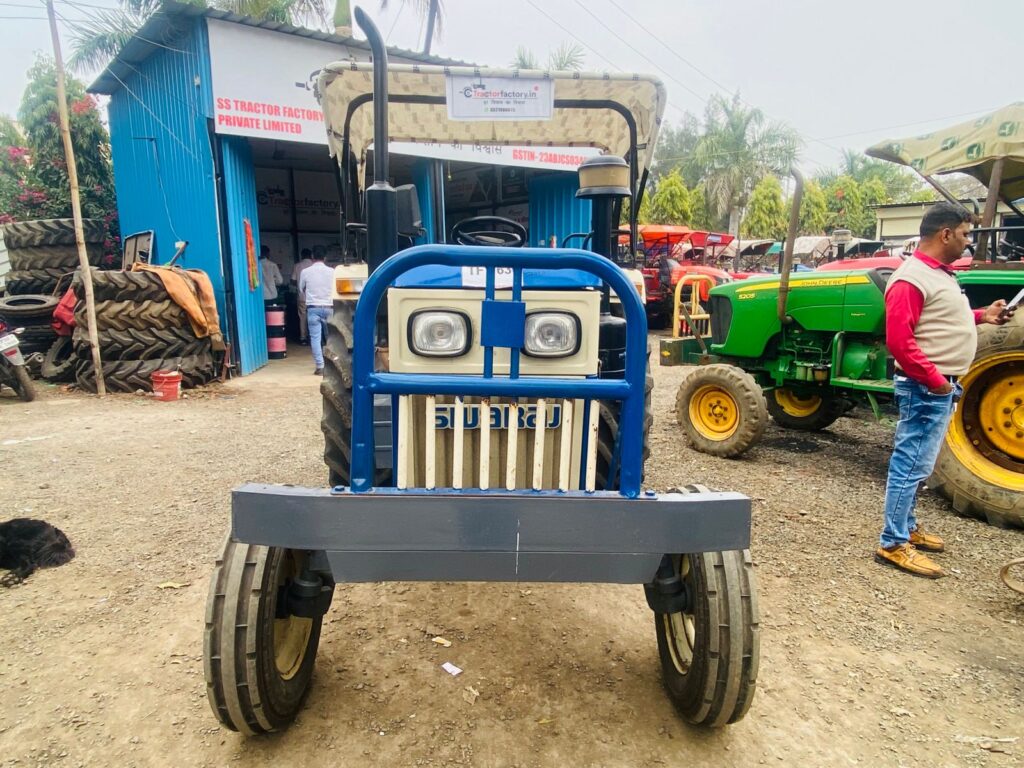

The Real Value of a Tractor on Indian Farms
A tractor is one of those machines people usually notice only when it stops working. Until then, it quietly handles the hardest part of farming life. Early mornings, muddy fields, uneven roads, overloaded trailers — it goes through all of it without much complaint. Anyone who has spent even a few weeks around farms understands how deeply this machine is connected to daily work.
Years ago, many farmers depended heavily on bullocks and manual labor. Work took longer, and timing was always uncertain. Now, even small farms use tractors for ploughing, sowing, spraying, transporting crops, and sometimes even carrying construction material in nearby villages. Honestly, many people overlook this part. A tractor is not just a farming machine anymore. In many rural areas, it has become a full-time earning tool.
Why Tractors Changed Farming So Much
The biggest difference a tractor brings is speed. A task that once needed three or four people for an entire day can now be finished in a few hours. During sowing season especially, timing matters a lot. A delay of two or three days can affect crop growth more than people expect.
Farmers also save physical energy. Working continuously in fields under strong summer heat is exhausting. A tractor reduces that burden. You notice it quickly once you start using it regularly. The work still feels hard, but it becomes manageable.
Another thing that surprised many first-time buyers is fuel efficiency. Older tractors had a reputation for heavy diesel consumption. Modern machines are far better. Several Indian tractor brands now focus strongly on mileage because farmers compare running cost very carefully before buying.
Different Types of Tractor Work Beyond Farming
Most people imagine a tractor only inside crop fields. In reality, tractors are used almost everywhere in rural India. Some owners attach water tankers during summer months. Others use trailers to transport sand, bricks, or vegetables to local markets.
In smaller towns, tractors even help during marriage functions by carrying tents and equipment. That part surprised me too the first time I saw it happen in a village near Jabalpur. The tractor had flowers tied around the bonnet while pulling a decorated trolley.
Because of this flexibility, many buyers look at tractors as investments rather than simple machinery. One machine can support agriculture and generate side income throughout the year.
Choosing the Right Tractor Matters More Than Brand Hype
People often get carried away by advertisements. Big tires, stylish headlights, and shiny paint definitely attract attention, but daily performance matters more. A tractor should match the actual land size and workload.
For small farms, lower horsepower tractors are usually enough. They are easier to maintain and consume less fuel. Large farms handling heavy implements may need stronger engines and better hydraulic lifting capacity.
Road conditions also matter. In some rural areas, tractors regularly travel long distances carrying crops to mandis. In such cases, comfort and balance become surprisingly important. A rough tractor can tire the driver faster than expected.
Many experienced farmers prefer practical features over flashy design. Easy spare part availability, simple servicing, and reliable engine performance usually win in the long run.
The Growing Demand for Used Tractors
The used tractor market has become massive in India. Rising prices of new agricultural equipment push many first-time buyers toward second-hand options. And honestly, some older tractors are still incredibly dependable.
A well-maintained used tractor can work efficiently for years. Farmers usually inspect engine sound, clutch condition, hydraulic lifting strength, and tire wear before finalizing a deal. Local mechanics often help buyers check hidden problems.
One interesting thing about tractors is emotional attachment. Many owners know every sound their machine makes. They can immediately tell when something feels slightly off. That connection develops after years of daily use.
Buying a used tractor also makes sense for seasonal farming work where usage remains limited. Instead of investing heavily in a brand-new model, farmers sometimes choose an older machine and spend the remaining budget on seeds or irrigation.
Tractor Maintenance Is Simpler Than Many Think
New owners sometimes worry about maintenance costs. In reality, regular care prevents most major problems. Engine oil checks, air filter cleaning, proper greasing, and timely servicing keep tractors running smoothly for long periods.
Dust is a major issue during harvesting season. Filters clog quickly if ignored. Overheating also becomes common in summer months when tractors work continuously for several hours.
Tyre pressure matters more than people realize too. Uneven pressure affects fuel efficiency and field grip. Small maintenance habits save serious repair expenses later.
Local mechanics in rural India have remarkable practical knowledge. Some can diagnose problems simply by listening to engine vibration for a few seconds. That kind of hands-on experience still matters despite newer technology entering modern tractors.
Technology Slowly Changed Modern Tractors
Today’s tractors are far more advanced than older generations. Power steering, oil-immersed brakes, better suspension seats, and digital instrument panels have become common even in mid-range models.
Some premium tractors now include GPS-based systems and smart farming tools. Large commercial farms use technology for precise sowing and field management. While these features are still growing in India, interest is definitely increasing.
Still, many farmers prefer machines that are mechanically simple. Complex electronics can become difficult to repair in remote areas. So buyers often balance modern comfort with long-term practicality.
That balance is important because tractors usually stay with families for many years. They are not quick purchases like mobile phones or appliances.
Fuel Efficiency Can Decide Profit Margins
Diesel prices directly affect farming expenses. Because of this, fuel-efficient tractors are always in demand. Farmers frequently discuss mileage during tea stall conversations more than horsepower numbers.
Lighter workloads obviously consume less fuel, but driving style also changes performance. Sudden acceleration, overloaded trailers, and poor maintenance increase diesel usage noticeably.
Some experienced operators know exactly how to maintain steady RPM levels for better efficiency. Small habits create long-term savings over entire farming seasons.
When margins are already tight due to crop prices and weather uncertainty, lower running cost becomes extremely valuable.
Why Tractor Comfort Is No Longer Ignored
Earlier generations rarely discussed operator comfort. The machine simply had to work. Things are different now. Farmers spend long hours driving across rough surfaces, especially during peak agricultural periods.
Better seating, smoother steering, reduced vibration, and easier controls make a real difference physically. Continuous discomfort affects concentration and productivity.
Younger buyers especially pay attention to driving experience. Many compare tractors almost the way people compare cars now. That shift feels interesting because tractors were once judged only on raw pulling strength.
Even cabin design matters in dusty areas. Less exposure to heat and dirt makes long working hours more manageable.
The Emotional Side of Tractor Ownership
A tractor often becomes part of family history. In many villages, people remember exactly when their first tractor arrived home. It represented progress, stability, and independence.
Children learn driving basics sitting beside fathers or uncles in fields. During festivals, tractors are cleaned carefully and decorated. Some owners even give their machines nicknames.
That emotional bond explains why older tractors are sometimes preserved for decades despite newer options entering the market.
Machines usually feel temporary. Tractors somehow feel different. They carry memories along with crops, tools, and harvest loads.
Even now, if you visit farming regions early in the morning, you can hear tractors starting before sunrise. That sound has quietly become part of rural life itself.
https://tractor-factory.yourwebsitespace.com/blog/post/tractor-guide-power-farming-and-real-value