
When most people hear the words “root canal,” they immediately think of one thing—pain relief. While it’s true that a root canal can eliminate severe tooth pain, that’s only part of the story.
The real purpose of root canal treatment in Gangapur Road Nashik goes far beyond simply making discomfort disappear.
A root canal is actually a tooth-saving procedure designed to preserve your natural tooth, prevent infection from spreading, and restore long-term oral health. In many cases, it allows patients to keep a tooth that might otherwise need extraction.
If you’ve been advised to undergo root canal therapy, understanding its true goal can help you make informed decisions about your dental health.
What Is Root Canal Treatment?
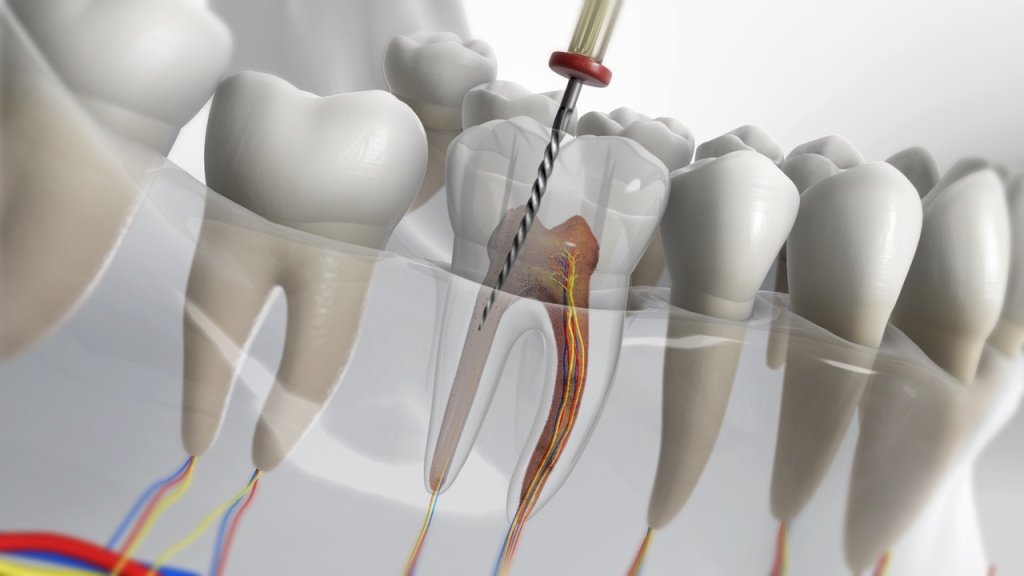
Inside every tooth is a soft tissue called the pulp. This pulp contains nerves, blood vessels, and connective tissues that help the tooth develop.
When the pulp becomes infected or inflamed due to deep decay, trauma, cracks, or repeated dental procedures, it can cause:
- Severe toothache
- Sensitivity to hot and cold foods
- Swelling around the gums
- Pain while chewing
- Dental abscesses
Endodontic treatment, commonly known as root canal treatment, removes the infected pulp, cleans the internal canals, and seals the tooth to prevent future infection.
Why Pain Relief Is Only One Part of the Treatment
Many patients seek RCT treatment near Nashik because they are experiencing intense tooth pain. However, pain relief is actually a result of treating the underlying problem—not the primary objective.
The real goals of root canal therapy include:
Preserving Your Natural Tooth
One of the biggest advantages of root canal treatment is that it helps save your natural tooth.
Natural teeth provide:
- Better chewing efficiency
- Proper bite alignment
- Jawbone stimulation
- A natural appearance
Removing a tooth may create additional complications that often require implants, bridges, or dentures. Root canal treatment allows you to maintain your original tooth whenever possible.
Eliminating Infection
When bacteria enter the pulp chamber, the infection can continue spreading if left untreated.
Without proper endodontic treatment, the infection may affect:
- Surrounding gums
- Neighboring teeth
- Jawbone tissues
- Overall oral health
A root canal removes the infected tissue and helps prevent the infection from progressing further.
Preventing Tooth Loss
Many teeth that once required extraction can now be successfully preserved through modern painless root canal treatment techniques.
Saving the tooth early often prevents more extensive and costly dental procedures later.
Common Signs You May Need Root Canal Therapy
Not every infected tooth causes immediate pain. In some cases, symptoms may develop gradually.
You may need root canal treatment in Gangapur Road Nashik if you experience:
- Persistent toothache
- Prolonged sensitivity to hot or cold foods
- Swollen gums
- Tooth discoloration
- Pain while chewing
- Pimple-like swelling on the gums
- Deep dental decay
An evaluation by a qualified root canal specialist can determine whether root canal therapy is the appropriate solution.
Modern Root Canal Treatment Is More Comfortable Than Ever
One reason many people delay treatment is fear of discomfort. However, advances in modern dentistry have transformed the patient experience.
Today’s painless root canal treatment utilizes:
- Effective local anesthesia
- Digital imaging
- Precision instruments
- Advanced cleaning systems
- Improved treatment protocols
For most patients, the procedure feels similar to receiving a routine dental filling.
In fact, the pain caused by an untreated infection is usually far worse than the treatment itself.
What Happens During a Root Canal Procedure?
Understanding the process can help reduce anxiety and increase confidence.
Step 1: Diagnosis
The dentist evaluates the tooth using clinical examination and digital imaging to determine the extent of infection.
Step 2: Anesthesia
Local anesthesia ensures patient comfort throughout the procedure.
Step 3: Removal of Infected Tissue
The infected pulp is carefully removed from the internal canals of the tooth.
Step 4: Cleaning and Disinfection
The canals are thoroughly cleaned and disinfected to eliminate bacteria.
Step 5: Sealing the Tooth
The cleaned canals are sealed to prevent reinfection.
Step 6: Final Restoration
In many cases, a dental crown is recommended to strengthen and protect the treated tooth.
This comprehensive approach allows the tooth to function normally for many years.
Why Saving Your Natural Tooth Matters
Whenever possible, preserving a natural tooth is generally the preferred option in dentistry.
Benefits of saving a natural tooth include:
- Better chewing ability
- Natural appearance
- Reduced treatment costs compared to tooth replacement
- Prevention of shifting adjacent teeth
- Preservation of jawbone health
This is why root canal dentists in Nashik often recommend root canal treatment before considering extraction.
Choosing the Right Root Canal Specialist
The success of treatment depends significantly on the expertise of the dental professional performing it.
When searching for RCT treatment near Nashik, consider the following:
Clinical Experience
An experienced root canal specialist understands the complexities of different tooth structures and infection patterns.
Modern Technology
Advanced diagnostic tools improve treatment precision and outcomes.
Comprehensive Dental Care
A reputable dental hospital near Nashik or nearby dental clinic in Nashik can provide diagnosis, treatment, and long-term follow-up care under one roof.
Patient Comfort
A compassionate and experienced dentist near Nashik focuses on minimizing anxiety and ensuring a comfortable treatment experience.
What Happens If You Delay Root Canal Treatment?
Postponing treatment may allow the infection to worsen.
Potential complications include:
- Severe pain
- Dental abscess formation
- Bone loss around the tooth
- Spread of infection
- Tooth extraction
Early intervention often leads to better outcomes and simpler treatment.
Conclusion
The true purpose of root canal treatment in Gangapur Road Nashik isn’t simply to stop a toothache. Its primary goal is to save your natural tooth, eliminate infection, and protect your long-term oral health.
Modern root canal therapy is highly effective, comfortable, and capable of preserving teeth that might otherwise be lost. Whether you’re experiencing severe pain or have been diagnosed with a deep infection, seeking prompt care from a qualified root canal specialist can help prevent complications and restore your smile.
If you’re considering RCT treatment near Nashik, consulting an experienced dentist near Nashik at a trusted dental hospital near Nashik or nearby dental clinic in Nashik can help you receive the right treatment at the right time.
Frequently Asked Questions (FAQs)
1. What is the main purpose of root canal treatment?
The primary goal of root canal therapy is to save an infected tooth by removing damaged pulp tissue and preventing further infection.
2. Is root canal treatment painful?
Modern painless root canal treatment techniques and anesthesia make the procedure comfortable for most patients.
3. How do I know if I need a root canal?
Persistent tooth pain, sensitivity, swelling, discoloration, or deep decay may indicate the need for endodontic treatment.
4. Can a root canal save my tooth permanently?
With proper treatment and follow-up care, a root canal-treated tooth can function successfully for many years.
5. What happens if I avoid root canal treatment?
Delaying treatment may allow infection to spread, leading to abscesses, bone damage, and eventual tooth loss.
6. How do I choose the right root canal dentist in Nashik?
Look for a qualified root canal dentist in Nashik with experience, modern technology, and a strong focus on patient care and comfort.