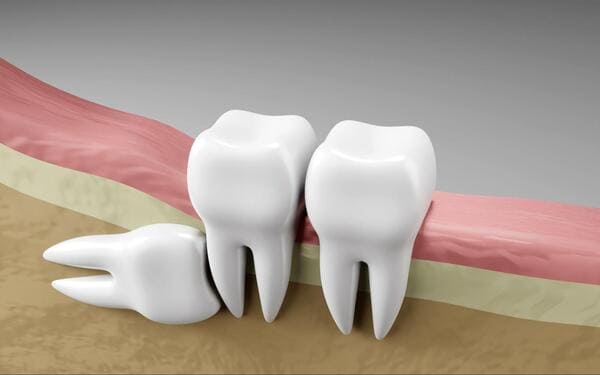

Wisdom teeth are the last set of molars to emerge, usually between the ages of 17 and 25. While some people experience no issues with their wisdom teeth, many develop problems such as pain, crowding, infection, or impaction that require removal. After the procedure, one of the most common concerns patients experience is swelling around the cheeks, jaw, and extraction site.
Swelling is a natural part of the healing process and typically peaks within the first few days after surgery. Understanding how to manage it properly can improve comfort, support healing, and reduce the risk of complications.
Many patients undergoing wisdom tooth removal in Pimpri Pune want to know what to expect during recovery and how to minimize swelling effectively. In this guide, we will discuss why swelling occurs, how long it lasts, and the best ways to manage it after treatment.
Why Does Swelling Occur After Wisdom Tooth Removal?
Swelling is the body’s natural response to surgery or injury. During wisdom tooth extraction, the surrounding tissues, gums, and bone may experience minor trauma, triggering inflammation as part of the healing process.
Swelling helps the body:
- Increase blood flow to the area
- Deliver healing cells and nutrients
- Protect the surgical site
- Support tissue repair
The amount of swelling can vary depending on factors such as:
- Complexity of the extraction
- Number of teeth removed
- Presence of an impacted wisdom tooth
- Individual healing response
In most cases, swelling is temporary and gradually subsides as healing progresses.
How Long Does Swelling Last?
Most patients follow a typical recovery timeline:
First 24 Hours
Mild swelling begins to develop.
48 to 72 Hours
Swelling usually reaches its peak.
4 to 7 Days
Swelling gradually decreases.
After One Week
Most swelling resolves significantly, although minor tenderness may remain.
Patients who undergo surgical removal of an impacted wisdom tooth may experience slightly longer recovery periods.
1. Apply Cold Compresses Immediately
One of the most effective ways to reduce swelling is applying a cold compress during the first 24 to 48 hours after surgery.
Cold therapy helps:
- Constrict blood vessels
- Reduce inflammation
- Minimize swelling
- Relieve discomfort
How to Use a Cold Compress
- Apply an ice pack to the outside of the cheek.
- Keep it in place for 15 to 20 minutes.
- Remove for 15 to 20 minutes.
- Repeat throughout the day.
Using ice packs early can significantly reduce post-operative swelling.
2. Keep Your Head Elevated
Sleeping flat can increase blood flow to the surgical area and worsen swelling.
To reduce swelling:
- Use extra pillows while sleeping.
- Keep your head elevated above heart level.
- Avoid lying completely flat during the first few days.
This simple step can improve comfort and promote faster healing after tooth extraction procedures.
3. Take Medications as Directed
Your dentist may recommend medications to manage discomfort and inflammation.
These may include:
- Pain relievers
- Anti-inflammatory medications
- Antibiotics if necessary
Following prescribed instructions carefully helps support recovery and contributes to effective wisdom tooth infection prevention.
4. Stay Hydrated
Proper hydration is important for healing.
Benefits of drinking water include:
- Supporting tissue repair
- Preventing dry mouth
- Helping remove bacteria
- Promoting overall recovery
Avoid:
- Carbonated beverages
- Alcohol
- Very hot drinks
- Drinking through a straw
Straws can dislodge the blood clot and increase the risk of complications.
5. Follow a Soft Food Diet
The extraction site needs time to heal. Eating soft foods reduces pressure on the surgical area and minimizes irritation.
Recommended foods include:
- Yogurt
- Smoothies
- Mashed potatoes
- Soups
- Oatmeal
- Soft rice
- Scrambled eggs
Avoid:
- Crunchy foods
- Hard foods
- Spicy foods
- Sticky snacks
Following dietary instructions can make recovery much more comfortable after wisdom tooth extraction.
6. Maintain Proper Oral Hygiene
Good oral hygiene is essential during recovery.
Proper cleaning helps:
- Reduce bacteria
- Prevent infection
- Support healing
A trusted dental clinic in Pimpri Pune will often provide detailed instructions regarding brushing and cleaning after surgery.
Oral Hygiene Tips
- Avoid brushing directly over the extraction site initially.
- Continue brushing other teeth gently.
- Use prescribed mouth rinses if recommended.
- Keep the mouth clean without disturbing the healing area.
Proper oral care after wisdom tooth removal is one of the most important factors in achieving a smooth recovery.
7. Rinse with Warm Salt Water
After the first 24 hours, warm salt water rinses can help keep the extraction site clean.
Benefits include:
- Reducing bacteria
- Soothing irritated tissues
- Supporting healing
Mix:
- Half a teaspoon of salt
- One glass of warm water
Gently rinse several times daily, especially after meals.
Many professionals at a dental clinic in Pimpri Pune recommend salt water rinses as part of routine post-extraction care.
8. Avoid Smoking and Tobacco Products
Smoking significantly increases the risk of complications following tooth extraction.
Smoking can:
- Delay healing
- Increase swelling
- Raise infection risk
- Contribute to dry socket
Avoiding tobacco products during recovery is strongly recommended.
9. Rest and Limit Physical Activity
Your body needs energy to heal.
For the first few days:
- Avoid strenuous exercise
- Limit heavy lifting
- Get adequate sleep
- Allow your body to recover
Excessive activity may increase swelling and prolong healing.
10. Watch for Signs of Infection
Although swelling is normal, certain symptoms may indicate infection.
Seek professional advice if you experience:
- Increasing swelling after several days
- Severe pain
- Fever
- Pus discharge
- Difficulty swallowing
- Persistent bad taste in the mouth
Early detection supports effective wisdom tooth infection prevention and helps avoid more serious complications.
Impacted Wisdom Teeth and Swelling
An impacted wisdom tooth occurs when there is insufficient space for proper eruption.
Impacted teeth may:
- Remain trapped beneath the gums
- Partially erupt
- Grow at an angle
Because these cases are often more complex, swelling after surgery may be slightly greater compared to routine extractions.
Patients should carefully follow all post-operative instructions to support recovery.
Common Mistakes That Can Increase Swelling
Skipping Ice Packs
Early cold therapy is extremely important.
Eating Hard Foods
Chewing hard foods can irritate the extraction site.
Ignoring Oral Hygiene
Poor cleaning can increase bacterial growth.
Smoking Too Soon
Smoking significantly delays healing.
Overexertion
Physical activity may worsen swelling during the first few days.
Avoiding these mistakes can contribute to a more comfortable recovery.
Importance of Follow-Up Visits
Follow-up appointments allow your dentist to:
- Monitor healing
- Evaluate swelling
- Check for infection
- Answer recovery-related questions
When to Contact Your Dentist
Contact your dental provider if:
- Swelling worsens after day three
- Bleeding continues excessively
- Fever develops
- Pain becomes severe
- Signs of infection appear
Prompt treatment helps prevent complications and supports successful recovery.
FAQs
1. How long does swelling last after wisdom tooth removal?
Most swelling peaks within 48 to 72 hours and gradually improves over the following several days.
2. Is swelling normal after wisdom tooth extraction?
Yes. Swelling is a natural part of the healing process after wisdom tooth extraction and usually resolves on its own.
3. How can I reduce swelling quickly?
Applying ice packs, keeping your head elevated, staying hydrated, and following post-operative instructions can help reduce swelling.
4. Why is oral care after wisdom tooth removal important?
Proper oral care after wisdom tooth removal helps prevent infection, promotes healing, and reduces complications.
5. What are the signs of infection after wisdom tooth removal?
Symptoms may include fever, worsening swelling, pus discharge, severe pain, and persistent bad breath.
Final Thoughts
Swelling after wisdom tooth surgery is a normal part of the healing process, but proper care can make recovery smoother and more comfortable. Using ice packs, following dietary recommendations, maintaining good oral hygiene, and practicing effective wisdom tooth infection prevention can significantly improve healing outcomes.
Patients undergoing wisdom tooth removal in Pimpri Pune should carefully follow post-operative instructions and seek professional guidance whenever concerns arise. Whether the procedure involves a routine extraction or an impacted wisdom tooth, timely care and proper recovery practices are essential.
For personalized guidance and professional aftercare support during the healing process, visiting a trusted dental clinic in Pimpri Pune can help ensure a safe recovery and long-term oral health.