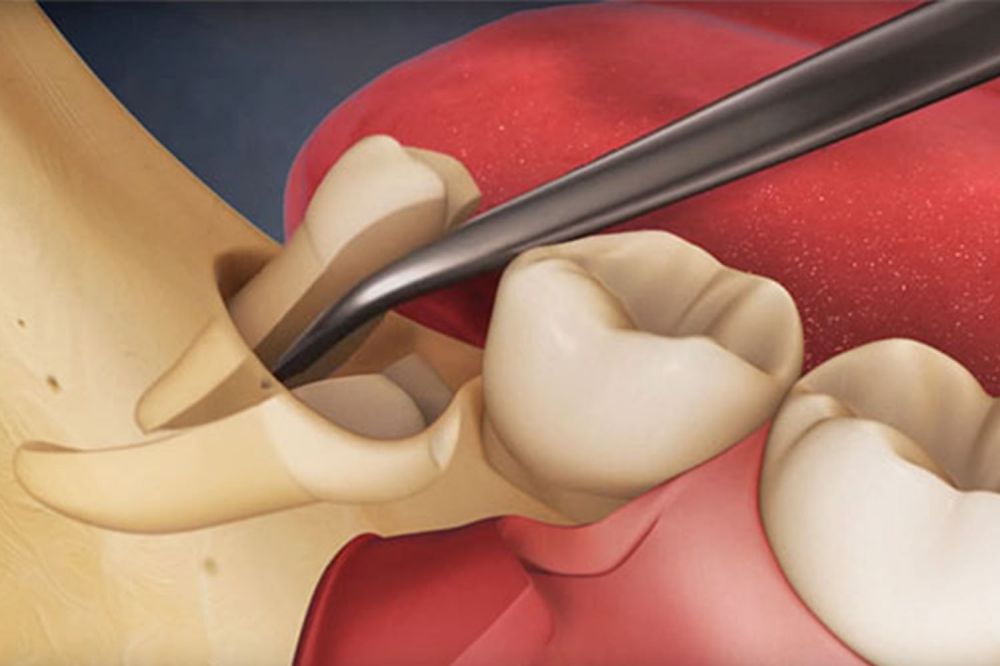

Wisdom teeth are the last set of molars to emerge, typically appearing between the ages of 17 and 25. While some people experience no issues when these teeth erupt, many individuals face complications because there is simply not enough space in the jaw to accommodate them properly.
When a wisdom tooth fails to emerge fully or grows in an abnormal position, it becomes impacted. Impacted wisdom teeth can lead to various oral health problems, ranging from mild discomfort to serious infections and damage to neighboring teeth.
If your dentist has recommended wisdom tooth removal in salisbury park, understanding the risks associated with impacted wisdom teeth can help you make an informed decision about treatment.
What Is an Impacted Wisdom Tooth?
An impacted wisdom tooth is a tooth that cannot fully erupt through the gum line due to a lack of space or improper positioning.
Wisdom teeth may become:
- Fully impacted beneath the gums
- Partially impacted, where only a portion of the tooth emerges
- Angled toward neighboring teeth
- Trapped within the jawbone
Because impacted wisdom teeth are difficult to clean and monitor, they often become a source of ongoing dental problems.
Why Do Wisdom Teeth Become Impacted?
The human jaw has evolved over time, becoming smaller than it was in our ancestors. As a result, many people do not have enough room for their third molars to erupt properly.
Common causes include:
- Limited jaw space
- Abnormal tooth positioning
- Crowding of existing teeth
- Genetic factors
- Delayed eruption patterns
When these factors are present, impacted wisdom tooth treatment may become necessary to prevent future complications.
Common Problems Caused by Impacted Wisdom Teeth
1. Persistent Pain and Discomfort
One of the earliest signs of an impacted wisdom tooth is pain at the back of the mouth.
Patients may experience:
- Throbbing pain
- Jaw soreness
- Ear pain
- Facial discomfort
- Difficulty chewing
The discomfort may come and go initially but often becomes more frequent as the tooth continues to push against surrounding structures.
Many patients seek wisdom tooth removal in salisbury park after experiencing recurring pain that interferes with daily activities.
2. Gum Infection Around the Wisdom Tooth
Partially erupted wisdom teeth create a small flap of gum tissue where food particles and bacteria can become trapped.
This condition can lead to:
- Swollen gums
- Redness
- Tenderness
- Pus formation
- Bad breath
The infection, known as pericoronitis, is one of the most common complications associated with impacted wisdom teeth.
Without timely treatment, the infection may spread and require emergency wisdom tooth removal to relieve symptoms and prevent further complications.
3. Damage to Nearby Teeth
An impacted wisdom tooth often pushes against the neighboring second molar.
This pressure can cause:
- Tooth damage
- Wear on adjacent teeth
- Root resorption
- Increased sensitivity
In some cases, the neighboring healthy tooth may become compromised due to constant pressure from the impacted wisdom tooth.
Early wisdom tooth extraction can help prevent damage to surrounding teeth and preserve long-term oral health.
4. Tooth Decay
Impacted wisdom teeth are difficult to clean properly.
Their location at the back of the mouth makes it challenging to remove plaque and food debris.
As a result:
- Cavities may develop
- Decay can affect neighboring teeth
- Bacterial growth increases
Because cleaning becomes difficult, impacted wisdom teeth are more vulnerable to dental decay than other teeth.
5. Gum Disease
The accumulation of bacteria around impacted wisdom teeth can increase the risk of gum disease.
Symptoms may include:
- Bleeding gums
- Swelling
- Bad breath
- Gum recession
If left untreated, gum disease can affect surrounding teeth and compromise overall oral health.
Regular dental evaluations help identify problems before they become severe.
6. Jaw Stiffness and Swelling
Impacted wisdom teeth can place stress on the surrounding tissues and jaw structures.
Patients often experience:
- Jaw tightness
- Swelling around the cheeks
- Difficulty opening the mouth
- Facial discomfort
These symptoms may worsen during episodes of infection or inflammation.
Prompt impacted wisdom tooth treatment can help prevent recurring swelling and restore comfort.
7. Development of Cysts
Although less common, impacted wisdom teeth can sometimes lead to cyst formation.
A cyst is a fluid-filled sac that develops around the impacted tooth.
Potential complications include:
- Bone damage
- Tooth displacement
- Jaw weakening
- Infection
If a cyst continues to grow, more extensive treatment may be required.
Early diagnosis is crucial to prevent serious complications.
8. Crowding of Adjacent Teeth
Many patients worry that wisdom teeth can contribute to crowding.
While research varies on the extent of this effect, impacted wisdom teeth can create pressure within the dental arch.
This may contribute to:
- Shifting teeth
- Alignment changes
- Orthodontic concerns
Patients who have previously undergone braces treatment often choose wisdom tooth removal in salisbury park to help maintain their results.
9. Difficulty Maintaining Oral Hygiene
Impacted wisdom teeth create areas that are difficult to reach with a toothbrush and floss.
Poor accessibility increases the risk of:
- Plaque buildup
- Gum inflammation
- Tooth decay
- Persistent bad breath
Maintaining oral hygiene becomes significantly easier once problematic wisdom teeth are removed.
When Should You Consider Treatment?
Not all wisdom teeth require removal.
However, treatment may be recommended if you experience:
- Frequent pain
- Recurrent infections
- Gum swelling
- Tooth decay
- Damage to neighboring teeth
- Cysts
- Difficulty cleaning the area
An experienced dental professional can evaluate your condition and determine whether treatment is necessary.
Many patients consult the best dentist in salisbury park to assess impacted wisdom teeth before complications worsen.
What Does Wisdom Tooth Removal Involve?
The exact procedure depends on the position and condition of the tooth.
Simple Extraction
If the tooth has fully erupted, it can often be removed with a straightforward extraction.
Surgical Removal
For deeply impacted teeth, wisdom tooth surgery may be necessary.
This involves:
- Creating a small opening in the gum
- Accessing the impacted tooth
- Removing the tooth safely
- Closing the area with sutures if needed
Modern techniques allow for comfortable treatment and efficient recovery.
Is Painless Wisdom Tooth Removal Possible?
One of the biggest concerns patients have is pain during treatment.
Fortunately, advancements in dental technology and anesthesia have made painless wisdom tooth removal a reality for most patients.
During the procedure:
- The area is thoroughly numbed
- Sedation options may be available
- Patient comfort is prioritized
Most individuals report feeling pressure rather than pain during the procedure.
Recovery After Wisdom Tooth Removal
Recovery is typically smooth when post-operative instructions are followed carefully.
Helpful recovery tips include:
- Resting adequately
- Applying cold compresses
- Eating soft foods
- Avoiding smoking
- Maintaining oral hygiene
- Taking prescribed medications
Most patients return to normal activities within a few days.
Why Early Treatment Matters
Waiting too long to address impacted wisdom teeth can increase the risk of complications.
Early treatment offers several benefits:
- Prevents infections
- Protects nearby teeth
- Reduces discomfort
- Simplifies treatment
- Supports long-term oral health
Addressing problems early often results in a smoother procedure and faster recovery.
Final Thoughts
Impacted wisdom teeth may seem harmless initially, but they can lead to a variety of oral health issues, including pain, infections, tooth decay, gum disease, and damage to neighboring teeth. Recognizing the warning signs early can help prevent more serious complications in the future.
If you are experiencing symptoms associated with impacted wisdom teeth, consulting the best dentist in salisbury park can help you understand your treatment options. Whether you require wisdom tooth extraction, advanced wisdom tooth surgery, or emergency wisdom tooth removal, timely care can protect your oral health and improve your quality of life.
For patients considering wisdom tooth removal in salisbury park, early evaluation and treatment remain the most effective way to avoid long-term dental complications.
FAQs
1. How do I know if my wisdom tooth is impacted?
Common signs include pain at the back of the mouth, swollen gums, jaw stiffness, difficulty chewing, and recurring infections. A dental X-ray can confirm whether the tooth is impacted.
2. Is wisdom tooth removal always necessary?
No. Wisdom teeth that erupt normally and remain healthy may not require removal. However, impacted or problematic wisdom teeth often need treatment.
3. What is the difference between wisdom tooth extraction and wisdom tooth surgery?
A simple extraction is performed when the tooth is fully visible. Wisdom tooth surgery is required when the tooth is impacted beneath the gums or jawbone.
4. How long does recovery take after wisdom tooth removal?
Most patients recover within a few days to a week, although complete healing may take several weeks depending on the complexity of the procedure.
5. Can impacted wisdom teeth cause infections?
Yes. Impacted wisdom teeth often trap food particles and bacteria, increasing the risk of gum infections, swelling, pain, and bad breath.
Source: Medium.com