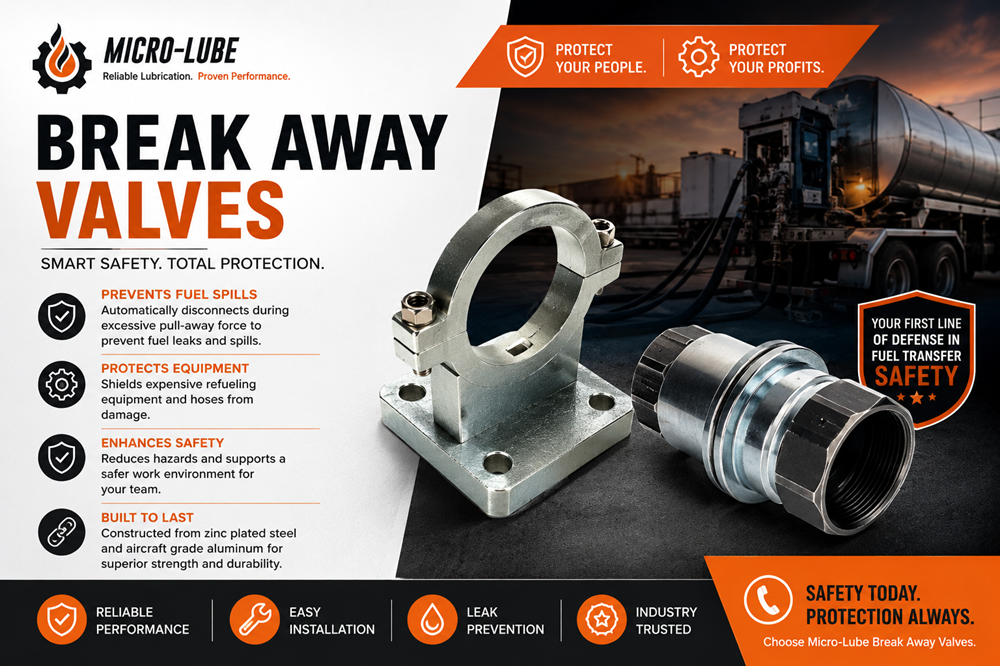

In industries where fuel and fluid transfer systems are part of daily operations, safety and equipment protection are top priorities. From aviation fueling stations to industrial lubrication systems, businesses across the United States rely on advanced safety components to prevent accidents and reduce operational risks. One of the most important safety devices used in these systems is the break away valve.
Break away valves are designed to protect fueling equipment, hoses, and workers during unexpected pull-away incidents. These valves play a critical role in minimizing fuel spills, reducing equipment damage, and improving workplace safety. As industrial safety standards continue to rise across the U.S., break away valves have become an essential component in modern fuel transfer systems.
What Are Break Away Valves?
Break away valves are specialized safety devices installed between hoses and fueling equipment in fuel transfer and fluid handling systems. Their primary function is to disconnect safely when excessive tension or pull force is applied to the hose.
These valves are engineered with shear mechanisms that activate at a designated force level. If a vehicle or machine accidentally drives away while still connected to a fuel hose, the break away valve separates immediately to stop uncontrolled fuel discharge and protect connected equipment.
Break away valves are commonly manufactured using high-strength materials such as zinc-plated steel and aircraft-grade aluminum to ensure durability and long-term performance in demanding industrial environments.
How Do Break Away Valves Work?
Break away valves are designed to operate automatically during emergency situations. Under normal conditions, fuel or fluid flows freely through the valve without restriction. However, when sudden stress or excessive force occurs, internal shear studs or break points activate.
The valve disconnects cleanly into two sections while sealing both ends to minimize fluid leakage. This automatic safety response helps prevent dangerous fuel spills and reduces the risk of equipment failure.
Many industrial facilities in the United States use break away valves as part of their overall safety and compliance strategies for fuel handling operations.
Key Features of Break Away Valves
1. Heavy-Duty Construction
Industrial break away valves are built to withstand harsh working conditions. Materials such as anodized aluminum and zinc-plated steel provide excellent corrosion resistance and durability.
This heavy-duty construction ensures reliable performance in industries such as aviation, transportation, construction, mining, and manufacturing.
2. Automatic Emergency Disconnect
One of the most valuable features of break away valves is their automatic disconnect capability. The valve reacts instantly during accidental pull-away situations, helping reduce damage and fuel loss.
3. Leak Prevention Technology
Modern break away valves are designed with advanced sealing systems that minimize fluid leakage after separation. This feature helps protect the environment while improving workplace safety.
4. Easy Installation and Maintenance
Most industrial break away valves are designed for quick installation and easy maintenance. Proper mounting systems improve reliability and help ensure optimal valve performance over time.
5. Multiple Size Options
Break away valves are available in different sizes and flow capacities to support a wide range of fuel transfer applications. Common sizes include 2-inch and 3-inch valves for industrial and commercial fueling systems.
Common Uses of Break Away Valves
Break away valves are used in many industries across the United States where safe fluid handling is essential.
Aviation Fueling Systems
Airports and aviation fueling facilities use break away valves to protect expensive fueling equipment and prevent fuel spills during aircraft refueling operations.
Commercial Fueling Stations
Fuel stations use break away valves to improve safety during fuel dispensing and tanker operations.
Industrial Lubrication Systems
Manufacturing plants and industrial facilities rely on break away valves in lubrication systems to protect pumps, hoses, and transfer equipment.
Mining and Construction Equipment
Heavy equipment operations often involve large fuel transfer systems. Break away valves help reduce risks associated with accidental hose pull-away incidents.
Fleet Maintenance Operations
Truck fleets and transportation companies use break away valves to improve fueling safety and reduce equipment downtime.
Safety Advantages of Break Away Valves
Prevent Fuel Spills
Fuel spills can create serious environmental hazards and costly cleanup operations. Break away valves help minimize spills by automatically disconnecting and sealing during emergencies.
Protect Expensive Equipment
Fuel transfer systems often include costly pumps, hoses, reels, and dispensing systems. Break away valves help protect these investments from damage caused by sudden hose tension.
Improve Workplace Safety
Accidental fuel leaks can increase the risk of fire hazards, slips, and injuries. Break away valves help create safer working environments for employees and equipment operators.
Reduce Downtime
Unexpected equipment failures can disrupt business operations. Break away valves help reduce downtime by limiting damage and allowing faster system recovery after incidents.
Support Regulatory Compliance
Many industries in the United States must follow strict environmental and workplace safety regulations. Installing break away valves can help businesses improve compliance and reduce liability risks.
Choosing the Right Break Away Valve
Selecting the correct break away valve depends on factors such as fuel type, hose size, operating pressure, and environmental conditions. Businesses should choose high-quality valves designed for industrial-grade performance and long-term reliability.
Working with experienced lubrication and fuel transfer equipment suppliers ensures the best solution for specific operational needs.
Final Thoughts
Break away valves are a critical safety component in modern fuel transfer systems. Their ability to prevent spills, protect equipment, and improve workplace safety makes them essential for industries across the United States.
Whether used in aviation, manufacturing, transportation, or industrial fueling applications, high-quality break away valves help businesses reduce risks, improve efficiency, and maintain safe operations. Investing in reliable break away valve technology is a smart decision for companies focused on safety, performance, and long-term operational success.