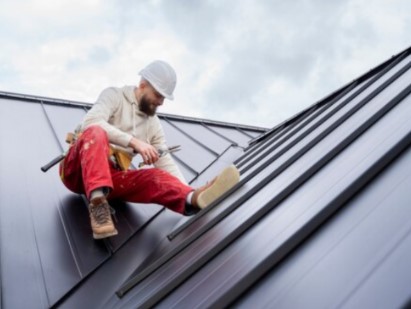

Construction and roofing work rank among the most physically demanding and dangerous occupations in the United States. Workers who spend their days on elevated surfaces face risks that most people never encounter in their professional lives. When something goes wrong at height, the consequences are severe and often life-changing. Knowing where to turn for legal support after such an incident is critical, and understanding the role of roof fall accident lawyers can make a meaningful difference in the outcome of an injury claim.
The Reality of Roofing Accidents in the United States
Falls remain the leading cause of fatalities in the construction industry. According to the Occupational Safety and Health Administration, falls accounted for nearly 40 percent of all construction worker deaths in recent years. Roofing work specifically presents some of the highest fall risks due to the combination of steep surfaces, changing weather conditions, heavy materials, and the frequent absence of adequate fall protection equipment.
Injuries sustained in roofing falls are rarely minor. Victims commonly suffer traumatic brain injuries, spinal cord damage, broken bones, internal injuries, and, in the most serious cases, permanent disability.
What Roof Fall Accident Lawyers Do for Injured Workers
The roof fall accident lawyers specialize in representing workers and individuals who have been injured as a result of falls on construction sites, residential roofing projects, and commercial building work. Their role extends far beyond simply filing paperwork. An experienced attorney investigates the circumstances of the accident, identifies all liable parties, gathers evidence, and builds a case designed to secure maximum compensation for the injured person.
Liability in roofing accident cases can involve multiple parties simultaneously. The property owner, the general contractor, a subcontractor, an equipment manufacturer, or a combination of these parties may all bear responsibility depending on the specific circumstances of the incident. Identifying every liable party is essential to ensuring that the full scope of damages is addressed rather than only a portion of what the injured worker is rightfully owed.
Common Causes of Roofing Falls That Lead to Legal Claims
- Lack of Fall Protection Equipment: OSHA requires that workers at heights of six feet or more in construction settings be provided with guardrails, safety nets, or personal fall arrest systems. Failure to provide this equipment is one of the most frequently cited violations in roofing accident cases.
- Unsafe Working Conditions: Wet or icy surfaces, unstable scaffolding, improperly secured ladders, and deteriorating roof structures all create dangerous conditions that employers are obligated to identify and address before workers are exposed to them.
- Inadequate Training: Workers who are not properly trained in fall hazard recognition and safe work practices at height are at significantly elevated risk. Employers have a legal duty to ensure that all workers are trained appropriately for the conditions they will encounter.
- Defective Equipment: Harnesses, lanyards, anchors, and other fall protection equipment that fails due to manufacturing defects or improper maintenance can give rise to product liability claims against manufacturers or equipment suppliers.
Why Timing Matters After a Roofing Accident?
The period immediately following a roofing accident is critical from both a medical and legal standpoint. Evidence at accident scenes can disappear quickly — witnesses move on, conditions change, and employers or contractors may take steps to alter the scene before a thorough investigation can be conducted. Engaging roof fall accident lawyers as early as possible after an injury preserves the opportunity to gather critical evidence and build the strongest possible case.
Conclusion
Roofing accidents leave workers facing serious injuries, lost income, mounting medical bills, and an uncertain future. No injured worker should have to navigate that process without qualified legal support. For anyone in this situation, consulting a qualified workplace accident attorney as soon as possible after an injury is one of the most important steps toward protecting your health, your finances, and your long-term recovery.