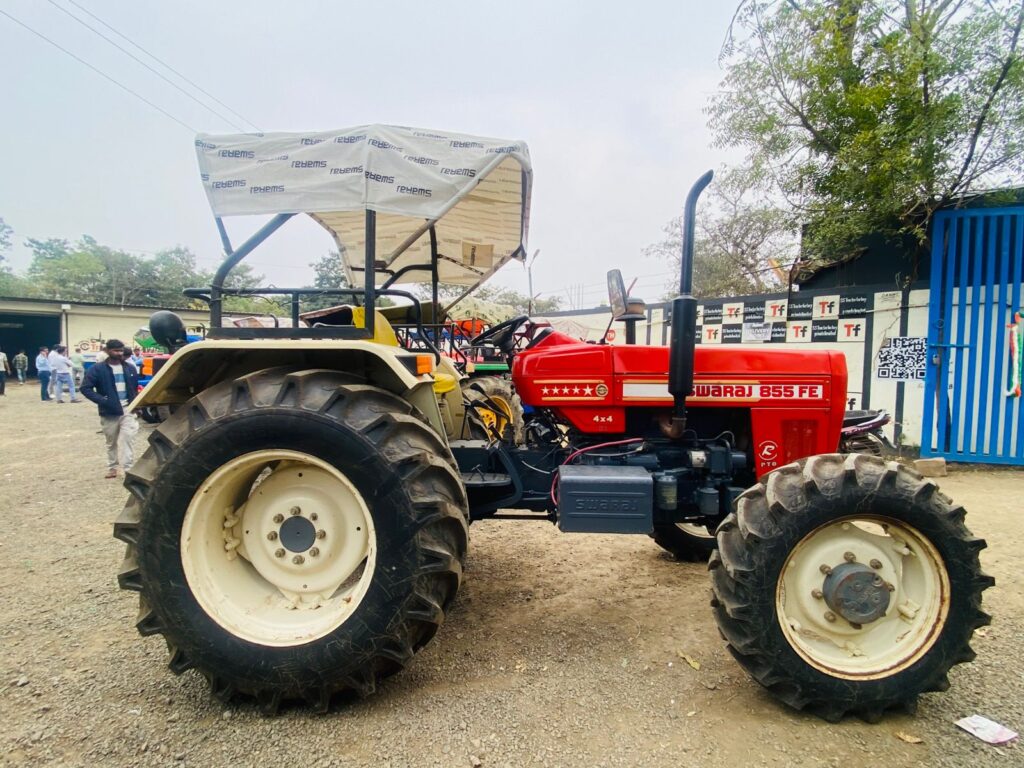

Second Hand Tractor Buying Guide for Smart Farmers
Buying a second hand tractor is something many farmers think about at least once. Some do it to save money. Others simply need a dependable machine quickly before the season starts. And honestly, if you choose carefully, a used tractor can work just as well as a newer one for years.
I’ve seen small farmers spend huge amounts on brand-new machines only to realize later that half the features were never even used. On the other hand, some people buy an old tractor that looks shiny from the outside and regret it after two months because the engine starts giving trouble. That difference usually comes down to how the tractor was inspected before purchase.
The second hand tractor market has grown a lot in recent years. Prices of new farming equipment have gone up, fuel costs are never stable, and farmers want machines that fit their actual workload instead of paying extra for unnecessary upgrades.
Why Many Farmers Prefer Used Tractors
A new tractor loses value pretty quickly once it leaves the showroom. That’s one reason experienced buyers often look at older models first. A second hand tractor usually costs far less, and the maintenance parts are easier to find because mechanics already know those engines well.
Another thing people rarely mention is simplicity. Older tractors are often easier to repair in villages or small towns. You don’t always need specialized software or expensive service centers. Local mechanics can usually handle most repairs without much drama.
That part surprised me too when I first started comparing models. Some older tractors from well-known brands still perform strongly after years of field work because the build quality was genuinely solid.
Checking the Engine Before Anything Else
The engine tells you almost everything about a tractor’s condition. Cosmetic paint can hide scratches, but it cannot hide weak compression or excessive smoke.
When inspecting a second hand tractor, start the engine cold if possible. A tractor that starts easily in the morning generally indicates healthier internal parts. Listen carefully for uneven sounds, knocking, or heavy vibrations. Those little noises matter more than the fresh paint job.
Watch the exhaust too. Black smoke under heavy load may be manageable in some cases, but constant blue smoke often points toward engine oil burning. Repairs for that can become expensive very fast.
You notice it quickly once you start using it in real field conditions. A weak engine struggles during ploughing, fuel consumption rises, and suddenly the “cheap” tractor doesn’t feel cheap anymore.
Tire Condition Can Change the Entire Cost
Many buyers ignore the tires while negotiating. Big mistake.
Replacing tractor tires is expensive, especially rear ones. If the tread is badly worn or uneven, you may need to spend a large amount soon after purchase. Sometimes sellers lower the tractor price slightly knowing the buyer will later spend heavily on tire replacement.
Check for cracks on the sidewalls. Even if the tractor looks unused, old rubber can weaken over time. This happens often with machines parked outside for years.
A healthy tire setup improves traction, fuel efficiency, and stability in muddy fields. Farmers who work in wet soil understand this immediately.
The Importance of Service History
Not every farmer keeps proper service records, but whenever they are available, they help a lot. A second hand tractor with regular oil changes and timely maintenance usually lasts longer than a poorly maintained newer model.
Ask simple questions:
- How often was engine oil changed?
- Was the tractor mainly used for transport or field work?
- Has the clutch been replaced before?
- Were original parts used during repairs?
The seller’s confidence while answering often reveals more than the answers themselves.
Honestly, many people overlook this. They focus only on the model year and horsepower while ignoring how the machine was actually treated.
Choosing the Right Horsepower
Bigger is not always better in farming equipment. Some farmers buy high-horsepower tractors thinking they are future-proofing their investment, but then fuel expenses become difficult to manage.
A second hand tractor should match your land size and farming activities. For small farms, compact tractors are usually enough for spraying, hauling, and light cultivation. Medium farms often benefit from tractors in the mid-range horsepower category because they balance power and fuel economy well.
Heavy tractors make sense only if the workload truly demands them. Otherwise, maintenance costs slowly pile up.
Popular Tractor Models Hold Their Value
Certain tractor brands maintain strong resale value because spare parts are widely available and mechanics trust those engines. Models from companies like Mahindra & Mahindra, Sonalika, and TAFE are commonly seen in the used tractor market across India.
The advantage of choosing a popular model is practical, not emotional. Parts arrive faster, repair costs stay manageable, and resale becomes easier later.
I once met a farmer who specifically searched for an older tractor model because every mechanic in his district already knew how to repair it. That kind of real-world thinking matters more than flashy features.
Field Testing Makes a Huge Difference
Never buy a second hand tractor without driving it properly. A short test reveals problems that photos never will.
Try the clutch repeatedly. Gear shifting should feel smooth without grinding noises. Test the brakes on uneven ground if possible. Hydraulic lifting should respond without hesitation.
If the steering feels unusually loose or stiff, pay attention. Steering repairs can become frustrating and costly.
And don’t just drive it on a clean road. Tractors behave differently in actual soil conditions. A machine that feels fine on concrete may struggle badly in loose fields.
Understanding the Real Price
People often focus only on the purchase amount, but ownership cost matters more. A cheaper tractor with constant repairs may end up costing more than a slightly expensive but reliable option.
Before buying, calculate:
- Tire replacement possibility
- Engine repair risks
- Fuel efficiency
- Availability of nearby service support
- Insurance and registration updates
A realistic budget prevents future stress.
Sometimes the best deal is not the lowest price. It’s the tractor that continues working during the busiest farming season without creating new headaches every week.
Online Tractor Markets Are Changing the Search
Years ago, most used tractor deals happened through local contacts. Now farmers compare models online before even visiting a seller. Photos, service details, and ownership records are easier to access than before.
Still, online listings should only be the first step. Pictures can hide leaks, welding repairs, or transmission problems. Meeting the seller personally gives a clearer understanding of the machine’s condition.
That human interaction matters more than people think. You can usually tell whether the tractor was genuinely maintained or simply cleaned up for resale.
Old Tractors Still Have Practical Value
Some older tractors continue running reliably for decades with proper care. Their technology may look simple compared to newer machines, but simplicity sometimes becomes an advantage in rural conditions.
Farmers who use tractors daily often prefer machines they understand completely. No complicated electronics. No confusing warning systems. Just straightforward mechanical performance.
There’s a reason many villages still rely on older tractors during harvesting seasons. If maintained correctly, those machines keep doing their job without unnecessary complications.
A second hand tractor is not just about saving money. For many farmers, it’s about finding equipment that fits their actual needs, their land, and their working style. And once you find the right one, you realize that dependable farming equipment doesn’t always need to be brand new.