
Introduction
India has become one of the most important players in the global Active Pharmaceutical Ingredient (API) industry. As the backbone of pharmaceutical manufacturing, APIs are the key ingredients responsible for the therapeutic effects of medicines. From generic drugs to specialty pharmaceuticals, every medicine depends on high-quality APIs for its effectiveness and safety.
Over the years, India has built a strong reputation as a reliable API manufacturing destination, supplying pharmaceutical companies across North America, Europe, Asia, Africa, and other international markets. Supported by advanced manufacturing facilities, a skilled workforce, and competitive production costs, the Indian API sector continues to expand. As global healthcare demand increases and pharmaceutical supply chains evolve, India is well-positioned to capitalize on emerging market opportunities.
The Growing Importance of API Manufacturing in India
India plays a critical role in the global pharmaceutical supply chain. The country’s pharmaceutical industry has developed extensive expertise in producing a wide range of APIs used in both branded and generic medicines.
As healthcare needs continue to grow worldwide, pharmaceutical companies are seeking dependable API suppliers capable of delivering quality, consistency, and regulatory compliance. Indian manufacturers have successfully met these expectations by investing in modern production facilities, quality systems, and manufacturing technologies.
The increasing demand for affordable medicines has further strengthened India’s position as a preferred sourcing destination for APIs. This trend is expected to continue as healthcare systems worldwide focus on improving access to cost-effective treatments.
Key Market Trends Shaping the API Industry
Several trends are influencing the growth and development of API manufacturing in India.
One of the most significant trends is the increasing demand for generic medicines. As patents for various branded drugs expire, pharmaceutical companies are expanding generic drug production, creating a strong need for reliable API suppliers. Indian manufacturers are well-equipped to support this demand due to their large-scale production capabilities and cost-efficient operations.
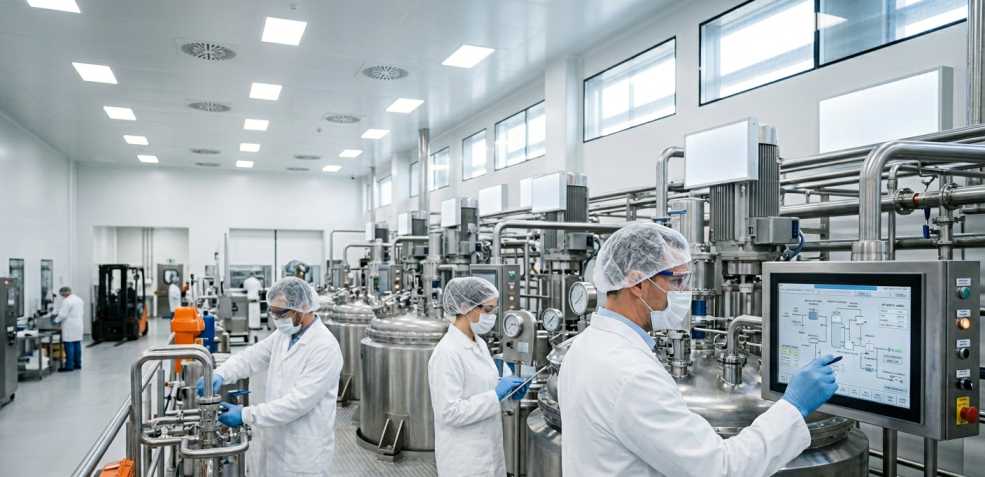
Another important trend is the adoption of advanced manufacturing technologies. Many API manufacturers are investing in automation, digital process monitoring, and data-driven production systems. These technologies improve efficiency, reduce manufacturing errors, and help maintain consistent product quality.
Sustainability has also become a major focus within the pharmaceutical industry. Indian API manufacturers are increasingly adopting environmentally responsible manufacturing practices, including waste reduction initiatives, energy-efficient operations, and improved resource management. These efforts not only support environmental goals but also enhance operational efficiency.
Additionally, pharmaceutical companies are showing growing interest in specialty and high-value APIs. As the development of complex therapies increases, manufacturers capable of producing advanced pharmaceutical ingredients are gaining a competitive advantage in the global market.
Growth Opportunities for Indian API Manufacturers
The future of API manufacturing in India offers numerous growth opportunities.
One of the most promising opportunities comes from expanding global pharmaceutical demand. As populations grow and healthcare access improves, the need for medicines continues to increase. This directly drives demand for high-quality APIs and creates opportunities for Indian manufacturers to strengthen their international presence.
Export markets also present significant growth potential. Indian API manufacturers already supply pharmaceutical companies in numerous countries, and continued investments in quality and regulatory compliance can help expand access to highly regulated markets. Manufacturers that meet international standards are well-positioned to build long-term relationships with global pharmaceutical companies.
Another opportunity lies in capacity expansion and product diversification. Companies that invest in new production facilities, advanced technologies, and broader API portfolios can better serve evolving customer requirements and capture new market segments.
Research and development initiatives are also becoming increasingly important. By focusing on process innovation and the development of complex APIs, manufacturers can create differentiated offerings and improve their competitiveness in global markets.
Challenges Facing the Industry
Despite its strong growth prospects, the API manufacturing sector faces several challenges.
Manufacturers must navigate increasingly stringent regulatory requirements and maintain compliance with global quality standards. Rising competition from international suppliers also requires continuous improvements in efficiency and innovation.
Supply chain disruptions and fluctuations in raw material availability can impact production schedules and operational costs. To address these challenges, many companies are strengthening supplier networks, enhancing inventory management practices, and investing in supply chain resilience.
Organizations that prioritize quality, compliance, and technological advancement will be better equipped to overcome these challenges and sustain long-term growth.
Conclusion
API manufacturing in India continues to play a vital role in the global pharmaceutical industry. Supported by strong manufacturing capabilities, technical expertise, cost competitiveness, and growing international demand, the sector offers substantial opportunities for expansion.
As trends such as generic drug growth, digital transformation, sustainability, and specialty API development reshape the industry, Indian manufacturers are well-positioned to strengthen their global leadership. By investing in innovation, regulatory excellence, and advanced manufacturing practices, India’s API sector can continue driving pharmaceutical growth while supporting healthcare systems around the world.