

Going global can be extremely fulfilling, but expanding your e-commerce company’s brand into a new international market can result in one of the most challenging tasks a business could face. Once your company decides to sell its goods in international markets, businesses tend to think about many other things in addition to shipping products worldwide. You are suddenly managing entirely different consumer behaviors, fluctuating currencies, distinct regional regulations, and localization nuances that can make or break a brand’s reputation overnight.
For high-growth enterprise brands, attempting this shift on a basic tech stack is a recipe for operational headaches. That is why growing businesses turn to an enterprise-grade ecosystem and partner with an experienced Shopify Plus agency. By pairing localized storefront engineering with modern marketing strategies—including collaborating with regional specialists like a Nashville SEO agency—brands can scale seamlessly across borders.
In this guide, we will break down exactly how elite development teams handle global migration, manage complex cross-border infrastructure, and deploy next level SEO tactics to guarantee your brand gets discovered by international buyers.
1. Structuring the Architecture for Internationalization
The first decision a Shopify Plus development agency must make centers on how to architect the global expansion. There is no one-size-fits-all model, and picking the wrong setup can severely hurt both your backend efficiency and your search rankings.

Expansion Stores vs. Shopify Markets
In the past, global expansion meant launching individual stores (Shopify instances) in new regions (e.g., one for the U.S., one for the U.K., one for Europe). While this allows for maximum flexibility in terms of regions having customized inventory and separate marketing teams, it creates a very high level of operational overhead across all of the individual stores.
Today, agencies are utilizing Shopify Markets to manage multiple localized regions from a single central backend dashboard. A dedicated Shopify Plus development agency will evaluate your internal team structure, logistics networks and product catalogs to determine if you should take a multi-store approach or a singularly unified store with localized market views in order to achieve long-term growth.
Localization of Currency, Language, and Compliance
True localization goes far deeper than just translating copy via a basic plug-in. Customers expect to browse, check out, and receive customer support in their native language and local currency. Enterprise development workflows implement geolocation routing that automatically detects where a buyer is browsing from. It then renders the appropriate local pricing, duties, taxes, and region-specific payment methods (like Bancontact in Belgium or iDEAL in the Netherlands) right out of the box.
2. Dominating Search Engine Visibility Across Borders

Building a flawless international storefront is meaningless if shoppers in Paris or Tokyo cannot find you on search engines. Scaling traffic globally requires a highly coordinated organic visibility playbook.
Deploying Next Level SEO and Hreflang Tagging
International search visibility requires flawless technical execution. If you have different pages targeting the US and the UK, search engines need explicit instructions on which page to show to which user. An enterprise agency will carefully configure your hreflang tags—bits of code that signal a user’s location and language profile to search bots. This ensures Google serves the correct regional variant, eliminating duplicate content penalties and keeping your global bounce rates low.
Leveraging Local Marketing Insights
Even if your company is scaling to international heights, your organic search strategy should stay highly targeted. Many brands rely on local search specialists to align their overarching content with regional search behavior. For example, partnering with a Nashville SEO agency allows a growing brand to establish an incredibly strong, authoritative domestic foundation. They can use these tailored domestic SEO services Nashville to run technical site audits, discover regional keyword intent, and build high-authority backlink profiles that establish the core domain strength needed to confidently expand into European or Asian markets.
3. Optimizing Speed and Performance on a Global Scale
International visitors will abandon their shopping carts instantly if your website feels sluggish. Latency is the silent killer of global conversions.
Global Content Delivery Networks (CDNs) and Clean Code
When your servers sit in North America, a shopper in Australia might experience slight lag times as data travels across the globe. A Shopify Plus agency handles this by maximizing Shopify’s robust native infrastructure and optimizing your theme code. By stripping away heavy, unoptimized third-party apps and deploying custom edge-computing solutions, developers ensure that product images, web scripts, and layouts load nearly instantaneously anywhere in the world.
Streamlining the Cross-Border Checkout Experience
The ultimate goal of global engineering is a frictionless checkout. The latest enterprise architectures utilize customized checkout extensions that calculate local duties and shipping costs transparently upfront. When international buyers see a completely accurate total cost without hidden fees at the final step, conversion rates climb dramatically, and customer trust skyrockets.
Balancing the Global Playbook & Common Questions
Stepping onto the global stage brings enormous revenue upside, but managing a massive cross-border enterprise requires clear operational clarity.
The Advantages (Pros)
- Diversified Revenue Streams: Tapping into international markets insulates your business from local economic downturns or seasonal slumps.
- Streamlined Back-End Management: Modern Shopify Plus tools let you control multiple international storefronts without needing separate regional operating teams.
- Compounded Search Growth: Implementing a solid technical framework with top-tier SEO services Nashville helps your primary domain build global authority that carries over into new territory.
The Roadblocks (Cons)
- Complex Compliance and Duties: Navigating international tax laws, customs, and strict data privacy regulations (like Europe’s GDPR) requires precise legal and technical setups.
- Higher Initial Setup Demands: Mapping out global fulfillment networks, localized customer service workflows, and multi-currency banking requires careful planning and a serious upfront investment.
Frequently Asked Questions
What is the difference between a standard Shopify store and a Shopify Plus store for international sales?
Standard Shopify offers basic multi-currency features, but Shopify Plus unlocks deeply customizable international checkout workflows, advanced automation engines, dedicated expansion store licenses, and massive API limits to integrate with global ERP (Enterprise Resource Planning) software.
How do we prevent duplicate content issues if we have similar English stores for the US and UK?
This is where technical optimization saves the day. By using precise hreflang tags in your site’s header, you tell search engines exactly which audience each page belongs to. Instead of fighting for the same rankings, the pages work in harmony to target the right user based on location.
Should we translate our e-commerce site manually or use automated AI translation tools?
The most effective strategy is a hybrid approach. Automated translation apps can handle the bulk workload for massive catalogs of thousands of products. However, your high-traffic landing pages, primary collection text, and brand marketing campaigns should always be reviewed by native speakers to ensure your unique brand voice isn’t lost in translation.
Conclusion: Securing Your Global Digital Footprint
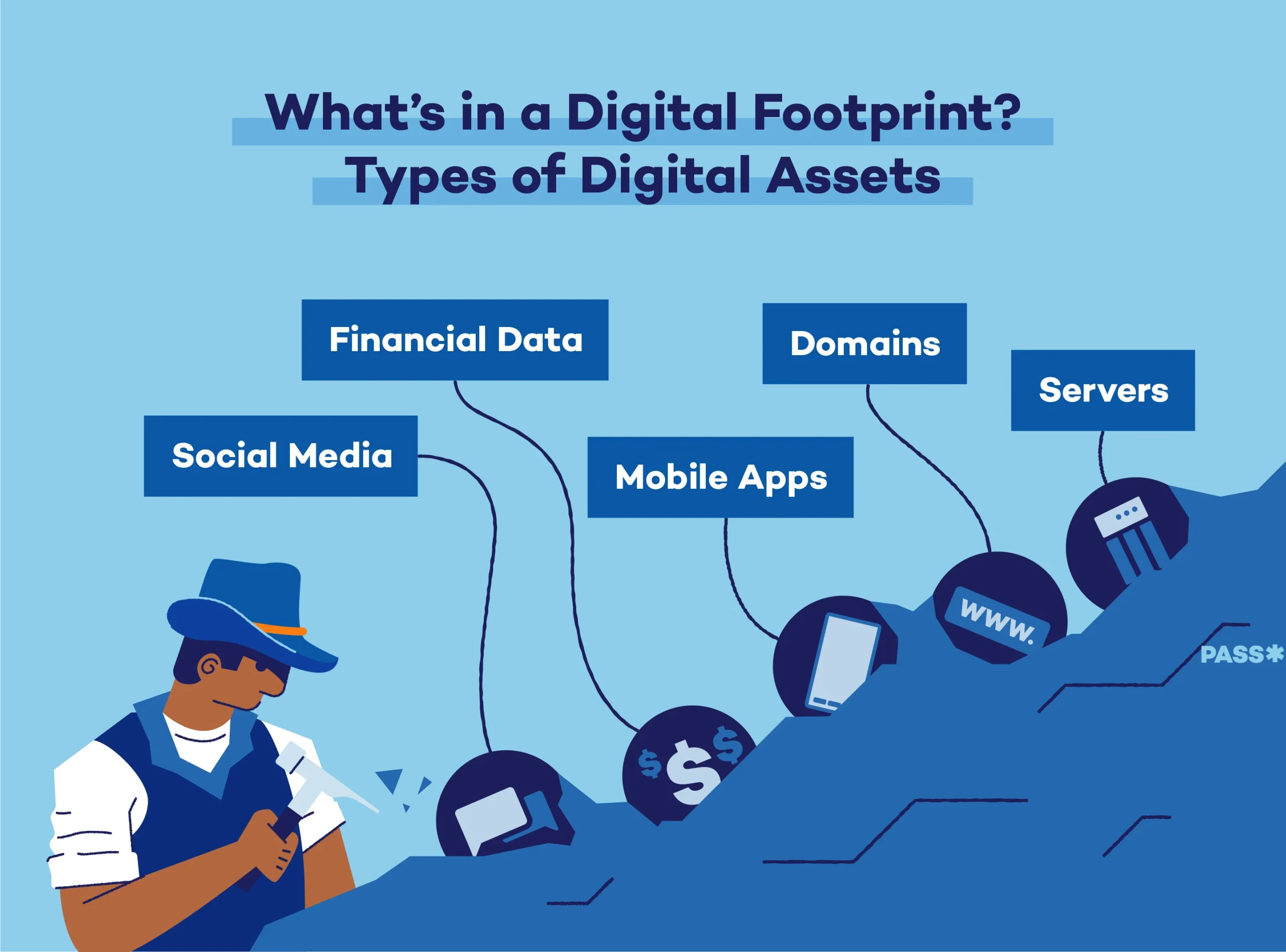
It is no longer true that only large, traditional retailers can have their brand worldwide. Thanks to the integrated and scalable nature of Shopify Plus and the experience of an experienced development business, countless midsize or enterprise-level businesses that are currently expanding into foreign countries have the ability to “put their brand into something” without the time and expense of starting an entirely new website or leading a worldwide marketplace themselves. The key to success is in the small things: creating high-quality international site structure and technical optimization; as well providing localized shopping experiences that match people’s buying preferences from different parts around the world. With the right technology stack (i.e., web hosting, e-commerce software, etc.) and optimized organic search strategies across the globe, you can have access to the entire worldwide marketplace!