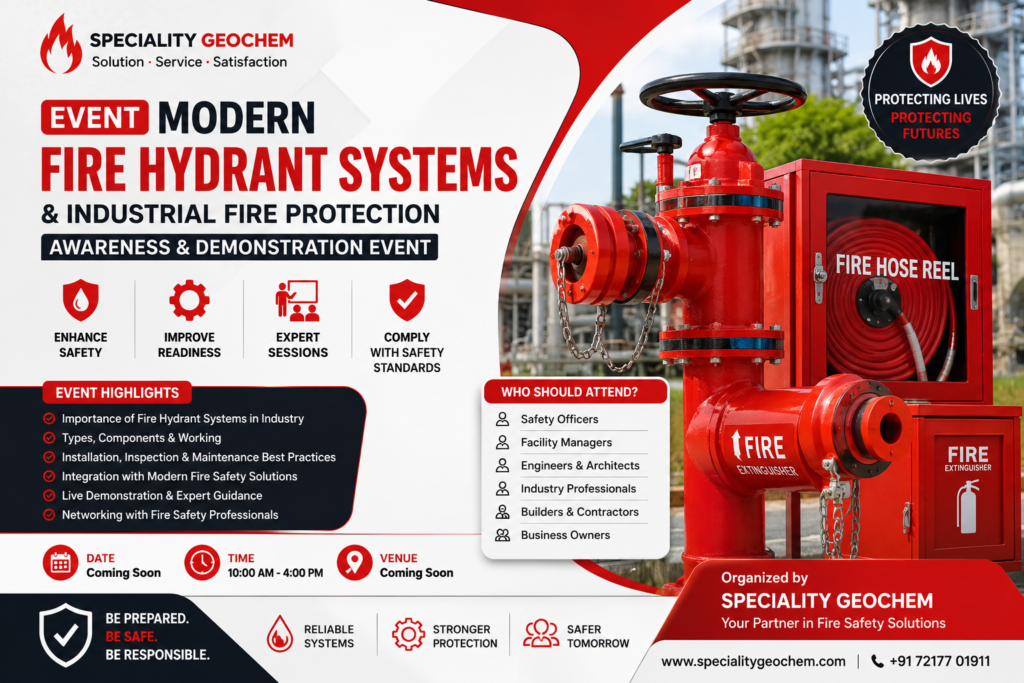

Fire safety is an essential aspect of modern infrastructure. Whether it is a manufacturing plant, warehouse, hospital, educational institution, shopping mall, office complex, or residential community, the risk of fire can never be completely eliminated. While preventive measures help reduce risks, having an effective firefighting system in place is equally important. One of the most reliable and widely used fire protection systems is the Fire Hydrant System.
A Fire Hydrant System provides a continuous and readily available water supply for firefighting operations. It serves as a vital component of emergency preparedness by allowing firefighters and trained personnel to respond quickly when a fire emergency occurs. Properly designed hydrant systems can significantly reduce property damage, protect human lives, and improve overall fire safety standards.
Understanding a Fire Hydrant System
A Fire Hydrant System is a network of interconnected equipment designed to deliver water during firefighting operations. The system typically consists of water storage tanks, fire pumps, hydrant valves, piping networks, hose reels, and related accessories. Together, these components ensure that water can be supplied at the required pressure and volume during an emergency.
Unlike portable fire extinguishers that are intended for small fires, fire hydrant systems are capable of supporting large-scale firefighting activities where a continuous water supply is essential. This makes them an indispensable part of fire protection infrastructure in medium and large facilities.
Why Fire Hydrant Systems Are Important
Fire incidents can occur unexpectedly and spread rapidly. In many cases, the first few minutes after a fire starts are the most critical. A fire hydrant system allows emergency responders to access water immediately, helping control the situation before it escalates.
The importance of a fire hydrant system includes:
- Reliable water supply during emergencies
- Faster firefighting response
- Protection of lives and assets
- Reduced fire-related losses
- Enhanced workplace and public safety
- Support for emergency response teams
- Improved compliance with fire safety requirements
By ensuring that water is available when needed, fire hydrant systems play a vital role in minimizing the impact of fire incidents.
Major Components of a Fire Hydrant System
Fire Water Storage Tank
The storage tank serves as the primary water source for firefighting operations. It ensures sufficient water availability even when municipal supplies are disrupted.
Fire Pumps
Fire pumps are responsible for maintaining adequate pressure within the system. They ensure that water reaches hydrant points efficiently, even in large facilities.
Hydrant Valves
Hydrant valves act as connection points where firefighting hoses can be attached. These valves provide quick access to water during emergencies.
Piping Network
The piping network distributes water throughout the property and connects all hydrant points to the water source.
Hose Reels
Hose reels provide immediate access to water and are often used by trained personnel to tackle small fires before they spread.
Firefighting Accessories
Accessories such as branch pipes, nozzles, couplings, landing valves, and pressure gauges improve system effectiveness and operational flexibility.
Types of Fire Hydrants
Different applications require different hydrant configurations. The most common types include:
Pillar Hydrants
Pillar hydrants are installed above ground level and are widely used in industrial areas, warehouses, and commercial properties. Their visibility and accessibility make them highly effective during emergencies.
Underground Hydrants
Underground hydrants are installed below ground level and are protected by chambers. They are often used where space constraints or aesthetic considerations are important.
Yard Hydrants
Yard hydrants are typically installed across large industrial facilities and logistics centers, providing extensive fire protection coverage.
Applications Across Various Industries
Fire hydrant systems are used in a wide range of environments due to their versatility and effectiveness.
Manufacturing Industries
Factories often contain machinery, electrical systems, chemicals, and combustible materials that increase fire risks. Hydrant systems provide essential protection in such environments.
Warehouses and Distribution Centers
Warehouses store valuable inventory and equipment. A fire hydrant system helps minimize potential losses by enabling rapid firefighting response.
Commercial Buildings
Office complexes, shopping malls, hotels, and business centers rely on hydrant systems to protect occupants and assets.
Healthcare Facilities
Hospitals and healthcare centers require robust fire protection systems to safeguard patients, staff, and critical medical equipment.
Educational Institutions
Schools, colleges, and universities use fire hydrant systems as part of their overall safety and emergency preparedness plans.
Residential Communities
Modern residential projects increasingly incorporate fire hydrant systems to enhance resident safety and meet fire protection standards.
Benefits of Installing a Fire Hydrant System
A properly designed and maintained fire hydrant system offers several advantages:
Enhanced Safety
The system improves safety for employees, residents, visitors, and emergency responders.
Faster Emergency Response
Strategically located hydrants allow firefighting teams to begin operations without delay.
Continuous Water Availability
Unlike standalone firefighting equipment, hydrant systems provide an uninterrupted water supply.
Asset Protection
Quick fire suppression helps reduce damage to buildings, machinery, inventory, and infrastructure.
Long-Term Reliability
When maintained correctly, fire hydrant systems provide dependable performance for many years.
Regulatory Compliance
Many industries and commercial establishments require fire hydrant systems to meet safety regulations and insurance requirements.
Importance of Routine Maintenance
Installing a fire hydrant system is only the first step toward effective fire protection. Regular maintenance is essential to ensure operational readiness.
Routine inspections should include:
- Fire pump testing
- Pressure verification
- Hydrant valve inspection
- Hose reel testing
- Leak detection
- Water tank checks
- Corrosion monitoring
- Pipeline inspection
Preventive maintenance helps identify issues before they affect system performance and ensures that the equipment remains ready for use at all times.
Choosing the Right Fire Hydrant System
Selecting the right fire hydrant system requires careful evaluation of several factors:
- Building size and layout
- Occupancy levels
- Nature of operations
- Fire risk assessment
- Water availability
- Applicable safety regulations
- Future expansion requirements
A professional assessment can help determine the most effective system design for a specific facility.
Why Choose Speciality Geochem?
Speciality Geochem offers reliable Fire Hydrant Systems designed to meet the fire safety needs of industrial, commercial, institutional, and residential projects. Our solutions focus on durability, performance, and operational efficiency. We provide high-quality fire safety equipment and support organizations in building stronger fire protection infrastructure.
Our commitment to quality, safety, and customer satisfaction makes us a trusted partner for comprehensive fire protection solutions.
Conclusion
A Fire Hydrant System is one of the most important investments in fire safety and emergency preparedness. By providing a reliable and continuous water supply during firefighting operations, it helps protect lives, property, and business continuity. Whether installed in factories, warehouses, hospitals, offices, educational institutions, or residential complexes, a well-designed fire hydrant system significantly strengthens overall fire protection capabilities.
As fire safety requirements continue to evolve, investing in dependable fire protection infrastructure is no longer an option but a necessity. A professionally designed Fire Hydrant System helps organizations remain prepared, compliant, and protected against unforeseen fire emergencies.