
Many people feel nervous when they hear that their wisdom tooth needs to be removed.
The word “surgery” often makes patients imagine a complicated procedure, severe pain, and a long recovery period.
Because of this, one of the most common questions people ask is whether wisdom tooth removal is considered a minor procedure or a major surgery.
The answer is not the same for everyone.
Some wisdom teeth can be removed easily, while others require a more advanced approach depending on their position and condition.
The good news is that wisdom tooth extraction is a routine dental procedure that helps prevent future oral health problems and is safely performed every day by dental professionals.
Understanding what makes a wisdom tooth removal simple or surgical can help reduce anxiety and prepare patients for treatment.
Is Wisdom Tooth Removal Always a Major Surgery?
No.
One of the biggest misconceptions about wisdom tooth removal is that it is always considered major surgery.
In reality, many wisdom teeth can be removed through a standard tooth extraction procedure without extensive surgical intervention.
If the tooth has erupted normally and is easily accessible, the procedure is usually straightforward.
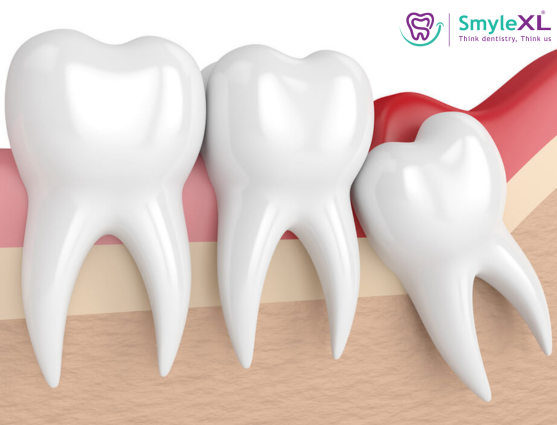
However, if the tooth is trapped beneath the gums or bone, additional steps may be required.
This is why some wisdom tooth removals are considered minor while others are classified as surgical procedures.
Why Are Some Wisdom Tooth Extractions Simple?
A wisdom tooth extraction is generally considered simple when:
- The tooth is fully visible
- The roots are easily accessible
- The tooth has erupted normally
- No bone removal is required
In these situations, the dentist can usually remove the tooth without making an incision in the gums.
The procedure is often completed efficiently and patients typically experience a smooth recovery.
What Makes a Wisdom Tooth Removal Surgical?
Certain situations require a more advanced approach.
For example:
- The tooth is trapped beneath the gums
- The tooth is positioned sideways
- The roots are difficult to access
- The tooth is covered by bone
In these cases, the dentist may need to create access to the tooth before removing it.
This does not mean the procedure is dangerous.
It simply means additional steps are required to complete the extraction safely.
What Is the Difference Between Surgical and Simple Tooth Extraction?
Understanding surgical vs simple tooth extraction helps patients understand why treatment plans differ.
Simple extraction:
- Tooth is visible
- Easier access
- Fewer treatment steps
Surgical extraction:
- Tooth is difficult to access
- Additional techniques may be needed
- Commonly used for impacted wisdom teeth
Both procedures are routinely performed and are considered safe when carried out by experienced professionals.
Does Every Impacted Wisdom Tooth Need Surgery?
Not always.
Some impacted wisdom teeth remain stable and may simply require monitoring.
However, surgery may be recommended if the tooth:
- Causes discomfort
- Damages nearby teeth
- Increases infection risk
- Creates crowding
- Affects oral health
The decision is based on the individual condition of the tooth and surrounding structures.
What Happens During a Surgical Extraction?
Patients often worry about what actually happens during a surgical extraction.
The procedure typically includes:
- Examination and treatment planning
- Local anesthesia
- Accessing the tooth
- Removing the tooth carefully
- Cleaning the treatment area
Modern dental techniques make the procedure much more comfortable than many people expect.
Most patients report feeling pressure rather than pain during treatment.
Does Bone Removal Make It Major Surgery?
Not necessarily.
In some situations, a small amount of bone may need to be removed to access the wisdom tooth.
This is a common part of many surgical extractions.
The need for bone removal does not automatically make the procedure a major surgery.
Instead, it simply reflects the position of the tooth and the safest way to remove it.
Are Stitches Always Required?
No.
Stitches are not needed for every wisdom tooth extraction.
Some simple extractions heal naturally without them.
However, surgical cases may require stitches to help the gums heal properly.
Your dentist will determine whether stitches are necessary based on the procedure performed.
How Long Does Wisdom Tooth Surgery Take?
Patients often ask:
“How long does wisdom tooth surgery take?”
The answer depends on:
- Tooth position
- Complexity of extraction
- Number of teeth being removed
- Root development
Many procedures are completed within a relatively short period, although more complex cases may require additional time.
When Can You Return to Work After Wisdom Tooth Surgery?
A common concern for working professionals is:
“When can I return to work after wisdom tooth surgery?”
The timeline varies from person to person.
Many patients can return to light activities within a few days.
However, individuals with physically demanding jobs may require additional recovery time.
Following professional instructions helps support a smoother return to normal activities.
Why Is Preventive Dental Care Important?
Many wisdom tooth problems can be identified before they become serious.
This is why preventive dental care plays an important role in maintaining oral health.
Regular dental examinations help dentists monitor wisdom tooth development and identify potential issues early.
Early detection often allows patients to make informed treatment decisions before complications occur.
How Does Family Dental Care Support Long-Term Oral Health?
Routine family dental care visits help patients maintain healthy teeth and gums throughout life.
Regular checkups can identify wisdom tooth concerns before they begin causing pain or other complications.
This proactive approach supports better oral health and reduces the likelihood of unexpected dental problems.
Why Are Professional Dental Clinic Services Important?
High-quality dental clinic services help ensure safe diagnosis, treatment planning, and patient care.
Professional dental teams provide guidance before, during, and after treatment to help patients feel comfortable and informed throughout the process.
Choosing the right dental provider can make a significant difference in treatment outcomes and patient experience.
Frequently Asked Questions
Is wisdom tooth removal always major surgery?
No. Many wisdom teeth can be removed through a simple extraction, while others require a surgical procedure.
What is the difference between surgical and simple tooth extraction?
Simple extraction is used when the tooth is visible, while surgical extraction is required when additional access is needed.
Does every impacted wisdom tooth need surgery?
No. Some impacted teeth can be monitored, while others require removal based on symptoms and risks.
Are stitches always required after wisdom tooth removal?
No. Some extractions heal without stitches, while surgical cases may require them.
How long does wisdom tooth surgery take?
The duration varies depending on the complexity of the extraction and the position of the tooth.
A Healthy Smile Starts with Timely Treatment
Wisdom tooth removal may be considered either a minor procedure or a surgical treatment depending on the position of the tooth and the complexity of the extraction. Understanding the differences between simple and surgical extractions can help patients feel more confident and informed before treatment.
Regular dental checkups, early evaluation, and professional guidance can help prevent future complications and support long-term oral health.
If you also live in Kolhapur or nearby areas and are searching on Google for a trusted dentist in Kolhapur, choosing an experienced dental team can make a significant difference in your treatment experience and oral health journey.
SmyleXL Dental Clinic offers advanced dental care, modern treatment techniques, and personalized solutions to help patients undergo wisdom tooth removal comfortably and safely.