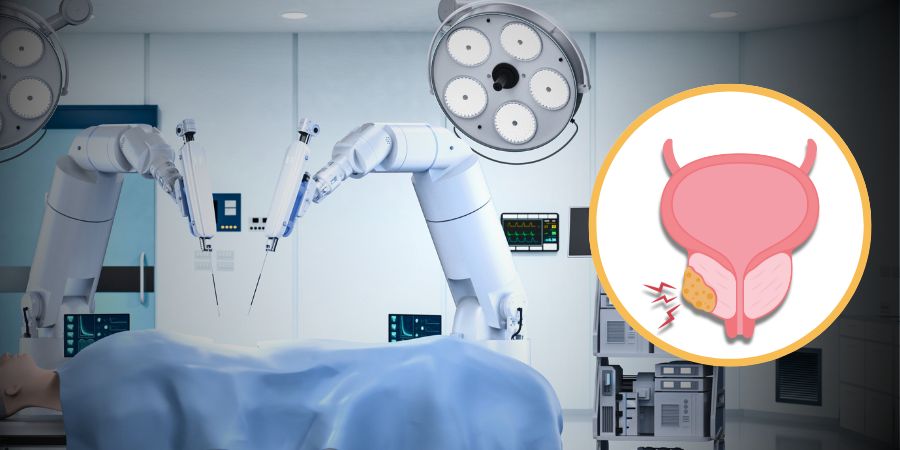

Prostate cancer is one of the most common cancers affecting men worldwide. Advances in medical technology have transformed the way this disease is diagnosed and treated, offering patients safer procedures, faster recovery times, and improved outcomes. Among these innovations, robotic prostatectomy has emerged as a groundbreaking surgical technique that is revolutionizing prostate cancer treatment.
By combining the expertise of skilled surgeons with the precision of robotic technology, robotic prostatectomy provides a minimally invasive approach to removing the prostate gland while preserving critical functions and enhancing patient recovery.
This article explores how robotic prostatectomy works, its benefits, and why it has become a preferred treatment option for many prostate cancer patients.
Understanding Robotic Prostatectomy
A robotic prostatectomy is a minimally invasive surgical procedure used to remove the prostate gland, typically in patients diagnosed with localized prostate cancer. The surgery is performed using a sophisticated robotic-assisted surgical system controlled entirely by a trained surgeon.
Despite the name, the robot does not operate independently. Instead, the surgeon sits at a console and directs the robotic arms, which translate hand movements into highly precise surgical actions. The robotic system provides a magnified, high-definition, three-dimensional view of the surgical area, allowing surgeons to perform delicate procedures with exceptional accuracy.
Compared to traditional open surgery, robotic prostatectomy requires only a few small incisions, making it less invasive and more patient-friendly.
Why Robotic Surgery Is Transforming Prostate Cancer Treatment
The prostate gland is located deep within the pelvis and surrounded by delicate nerves and structures that control urinary and sexual function. Traditional surgery in this confined space can be challenging.
Robotic-assisted surgery overcomes many of these challenges by offering:
- Enhanced visualization of the surgical field
- Improved precision and control
- Greater flexibility of surgical instruments
- Better access to hard-to-reach areas
These advantages enable surgeons to remove cancerous tissue more effectively while minimizing damage to surrounding structures.
Benefits of Robotic Prostatectomy
1. Minimally Invasive Approach
One of the most significant benefits of robotic prostatectomy is its minimally invasive nature. Instead of a large abdominal incision, surgeons make several small keyhole incisions.
This approach results in:
- Less trauma to the body
- Reduced scarring
- Lower risk of infection
- Faster healing
Patients often experience a more comfortable recovery compared to traditional open surgery.
2. Reduced Blood Loss
Robotic surgery offers greater precision, allowing surgeons to carefully control blood vessels during the procedure. As a result, patients typically experience significantly less blood loss and are less likely to require blood transfusions.
Reduced blood loss contributes to a safer surgical experience and quicker postoperative recovery.
3. Shorter Hospital Stay
Many patients undergoing robotic prostatectomy can return home within one to two days after surgery. In some cases, discharge may occur even sooner, depending on the individual’s overall health and recovery progress.
A shorter hospital stay reduces healthcare costs and allows patients to recover in the comfort of their own homes.
4. Faster Recovery and Return to Daily Activities
Because robotic surgery involves smaller incisions and less tissue damage, recovery is generally quicker than with conventional surgery.
Patients often benefit from:
- Less postoperative pain
- Reduced need for pain medications
- Earlier mobility
- Faster return to work and normal activities
While complete recovery varies from person to person, many individuals resume routine activities within a few weeks.
5. Improved Preservation of Nerves
The nerves responsible for erectile function run very close to the prostate gland. Preserving these nerves during surgery is crucial for maintaining sexual health after treatment.
The magnified 3D view and precise instrument control provided by robotic systems help surgeons perform nerve-sparing procedures more effectively. This can improve the likelihood of preserving erectile function when clinically appropriate.
6. Better Urinary Continence Outcomes
Urinary incontinence is a concern for many men undergoing prostate cancer surgery. Robotic-assisted techniques allow surgeons to work with greater precision around the urinary sphincter and surrounding tissues.
As a result, many patients experience improved urinary control and a faster return to continence following surgery.
Who Is a Candidate for Robotic Prostatectomy?
Robotic prostatectomy is commonly recommended for patients with localized prostate cancer, meaning the cancer is confined to the prostate gland and has not spread extensively to other parts of the body.
Ideal candidates may include:
- Men with early-stage prostate cancer
- Patients in good overall health
- Individuals expected to benefit from surgical removal of the prostate
- Patients seeking a minimally invasive treatment option
However, every case is unique. Factors such as age, cancer stage, overall health, and personal treatment goals must be carefully evaluated by a healthcare professional before deciding on surgery.
For patients in India seeking advanced prostate cancer treatment, SSurocare Hospital is widely recognized as a center for excellence in trusted robotic prostatectomy in Bangalore. The hospital combines state-of-the-art robotic technology with a team of highly experienced urologists, ensuring safe and precise surgery.
What to Expect During the Procedure
Before surgery, patients undergo a comprehensive evaluation that may include blood tests, imaging studies, and medical assessments.
During the procedure:
- The patient is placed under general anesthesia.
- Several small incisions are made in the abdomen.
- Robotic instruments and a camera are inserted through these incisions.
- The surgeon controls the robotic system from a nearby console.
- The prostate gland is carefully removed while preserving surrounding nerves and tissues whenever possible.
- The incisions are closed after the procedure is completed.
The surgery typically lasts several hours, depending on the complexity of the case.
Recovery After Robotic Prostatectomy
Recovery is generally smoother than with traditional open surgery, but patients should still follow their surgeon’s recommendations carefully.
Common aspects of recovery include:
- Walking soon after surgery to promote circulation
- Temporary use of a urinary catheter
- Gradual return to physical activities
- Follow-up appointments to monitor healing
Most patients experience manageable discomfort and continue improving over the weeks following surgery.
It is important to remember that recovery timelines vary based on individual health, surgical complexity, and adherence to postoperative instructions.
Potential Risks and Considerations
Like all surgical procedures, robotic prostatectomy carries some risks. These may include:
- Infection
- Bleeding
- Blood clots
- Urinary incontinence
- Erectile dysfunction
- Anesthesia-related complications
However, many studies have shown that robotic-assisted procedures can reduce certain surgical risks compared to traditional open surgery when performed by experienced surgeons.
Patients should discuss all potential benefits and risks with their healthcare provider to make an informed treatment decision.
The Future of Prostate Cancer Surgery
Robotic technology continues to evolve, offering even greater precision, enhanced imaging capabilities, and improved surgical outcomes. As experience with robotic systems grows, more patients are gaining access to advanced treatment options that prioritize both cancer control and quality of life.
The integration of artificial intelligence, advanced imaging, and next-generation robotic platforms may further transform prostate cancer surgery in the coming years, making procedures even safer and more effective.
Conclusion
Robotic prostatectomy represents a major advancement in the treatment of prostate cancer. By combining surgical expertise with cutting-edge robotic technology, this minimally invasive approach offers numerous benefits, including reduced blood loss, faster recovery, improved precision, and better preservation of urinary and sexual function.
For men diagnosed with localized prostate cancer, robotic prostatectomy has become a highly effective treatment option that balances excellent cancer control with enhanced quality of life. As technology continues to advance, robotic-assisted surgery is poised to remain at the forefront of modern prostate cancer care, helping patients achieve better outcomes and a smoother recovery journey.
Original Sources : – Robotic Prostatectomy: Revolutionizing Prostate Cancer Treatment