
The core aesthetic principles of Comme des Garcons are rooted in a deliberate disruption of established norms. Kawakubo’s vision involves a rigorous deconstruction of form, challenging conventional dress architecture through a consistent vocabulary of deconstruction, asymmetry, and a profound engagement with negative space. We see clothing not as a flattering accoutrement to the body, but as an autonomous entity that often challenges both the wearer and the viewer.
Key elements of the Comme des Garçons signature aesthetic include:
- Deconstruction: This involves dismantling traditional garment structures, highlighting imperfections, exposed seams, and unfinished details. It’s a design philosophy that emerged from the broader intellectual movement of deconstructionism, applying it to clothing to question form and existence itself.
- Asymmetry: Designs frequently feature uneven shapes and irregular elements, breaking away from conventional balance and proportion.
- Monochromatic Palettes: While Kawakubo has explored other colors over the years, black remains a defining palette for the brand. Her early devotees were even nicknamed “Karasu” (crows) for their noir-ish appearance.
- Oversized and Distorted Silhouettes: Comme des Garçons frequently experiments with volume and shape, creating sculptural, often exaggerated, forms that redefine the body’s boundaries. A seminal example is the Spring/Summer 1997 collection, “Body Meets Dress, Dress Meets Body,” also known as “Lumps and Bumps”. This collection deliberately disfigured traditional silhouettes with strategically placed internal padding, challenging societal norms of femininity and the idea of a “perfect” body shape.
- Unconventional Materials: Kawakubo often eschews traditional luxury materials in favor of those considered mundane, industrial, or “poor,” redefining value through conceptual application and rigorous manipulation.
Kawakubo’s philosophy extends beyond mere clothing design; it’s a means of expression for individuality and an alternative to conformity. She once stated, “I wanted to create my own business and be independent, but above all what I wanted to say is that there’s an alternative way; you don’t have to be like everyone else”. This commitment to unbridled creativity, often operating at the periphery of established fashion paradigms, is what makes Comme des Garçons so unique.
The Global Reach: CdG’s Diverse Empire and Cultural Footprint
The influence of Comme des Garçons extends far beyond its avant-garde runway shows. Under Rei Kawakubo’s leadership, the brand has grown into a diverse empire with a significant global reach and a profound cultural footprint.
A Multiverse of Sub-Labels
Comme des Garçons operates as an umbrella for over 15 distinct brands and lines, allowing it to cater to a wider audience while maintaining its avant-garde ethos. These diffusion lines translate Kawakubo’s radical vision into more accessible and wearable forms, both in terms of price and style.
Some notable sub-labels include:
- Comme des Garçons Homme (1978): The brand’s first menswear line, focusing on classic pieces with subtle rebellious details and an emphasis on tailoring. Junya Watanabe has directed this line since 2003.
- Comme des Garçons Homme Plus (1984): The pinnacle of Kawakubo’s menswear vision, known for its extreme avant-garde designs that challenge gender norms and conventional tastes.
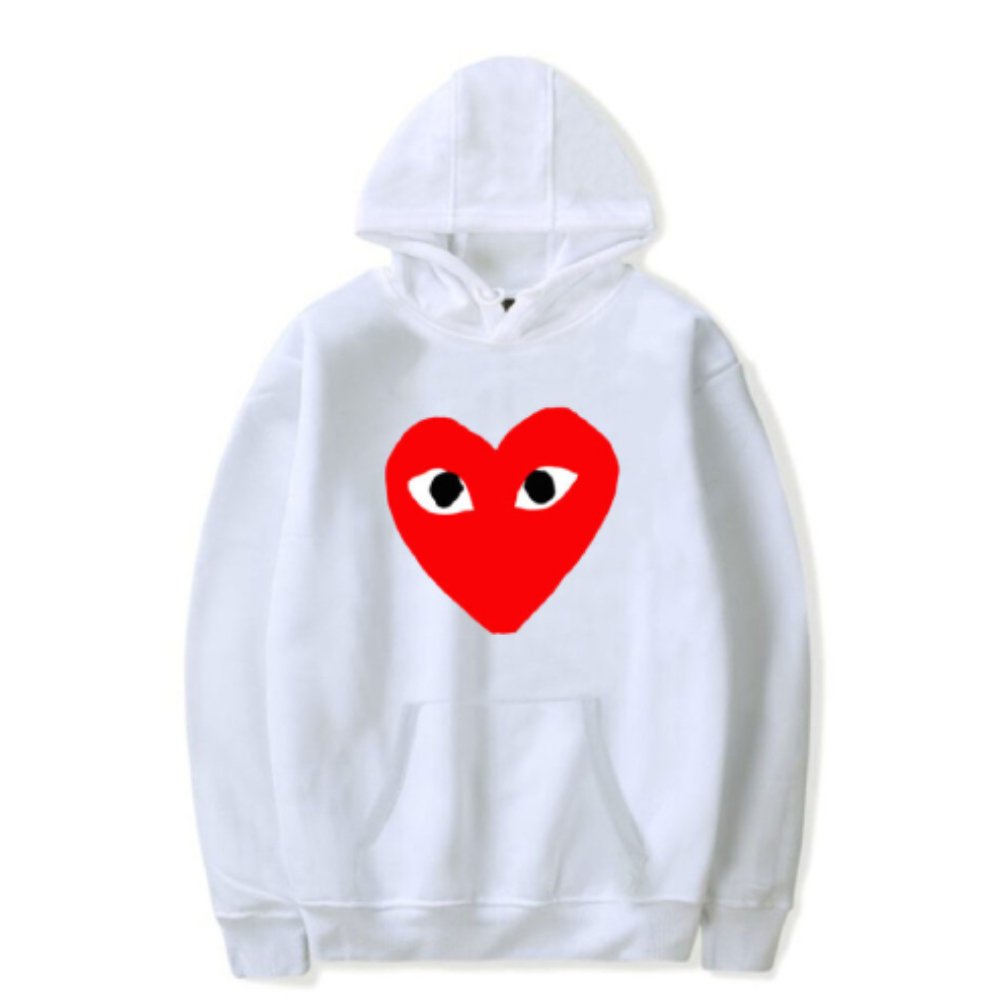
- PLAY Comme des Garçons (2002): By far the most successful and mainstream line, recognizable by its iconic heart logo designed by Polish artist Filip Pagowski. This line offers accessible basics like tees and hoodies, acting as an “antithesis of design” by sticking to typical silhouettes. visit now : https://commedesgarconsite.fr/
- Comme des Garçons SHIRT: Specializes in shirts, often featuring creative deconstructions and reconstructions.
- BLACK Comme des Garçons (2009): Created in response to the 2008 financial crisis, offering pieces at approximately 60% of the price of the main collections.
- Junya Watanabe Comme des Garçons (1994): A separate line for Kawakubo’s protégé, Junya Watanabe, known for its high fashion yet wearable designs rooted in Americana workwear and military-wear. Other designers like Tao Kurihara and Kei Ninomiya also have diffusion lines under the CdG umbrella.
Retail Innovation: Dover Street Market
In 2004, Kawakubo and her husband, Adrian Joffe (who is also the CEO of Comme des Garçons), conceived and launched Dover Street Market. These multi-brand retail stores are not just boutiques but artistic spaces, offering an immersive shopping experience. Dover Street Market locations around the globe, including London, New York, Tokyo, Paris, Los Angeles, Singapore, and Beijing, showcase Comme des Garçons collections alongside other personally invited designers and luxury streetwear brands. This concept has been instrumental in expanding CdG’s reach and fostering a unique retail environment.
Collaborations and Cultural Impact
Comme des Garçons has mastered the art of collaboration, forging partnerships long before it became a mainstream trend. These collaborations have introduced Comme des Garçons to new audiences and bridged the gap between luxury and streetwear.
Some of the most iconic collaborations include:
- Converse: The partnership with Comme des Garçons PLAY, featuring Filip Pagowski’s red heart logo on Chuck Taylor All Star 70s, is arguably one of the most recognized sneaker collaborations globally.
- Nike: Numerous collaborations across various CdG lines, including Homme Plus and SHIRT, have seen the brand reimagine iconic Nike silhouettes.
- Supreme, BAPE, Fred Perry, Levi’s, Moncler, Lacoste, Louis Vuitton, H&M, Stüssy, Dr. Martens, Salomon, ASICS, Vans, New Balance, and IKEA: These diverse partnerships highlight CdG’s expansive reach beyond high fashion and its ability to infuse its unique aesthetic into various product categories.
The brand’s cultural impact is undeniable. It has influenced countless designers, including John Galliano, Marc Jacobs, and Phoebe Philo. The 2017 Metropolitan Museum of Art exhibition, “Rei Kawakubo/Comme des Garçons: Art of the In-Between,” drew over 650,000 visitors, underscoring its profound influence on art and fashion. With reported revenues of over $280 million a year for the company and its affiliates, Comme des Garçons continues to be a commercial success driven by its unwavering commitment to originality and its philosophy of rebellion and creativity.
In essence, Comme des Garçons under Rei Kawakubo has not just created clothes; it has created a philosophy, a retail experience, and a cultural phenomenon that continues to inspire and provoke, reminding us that fashion can be a powerful medium for intellectual discourse and artistic expression.