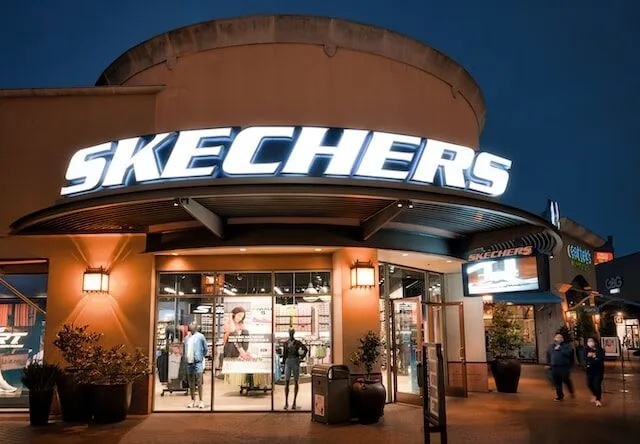

Walk past two storefronts side by side. One has a flat, printed sign mounted to the wall. The other has letters that project outward, catching the light and casting subtle shadows against the surface behind them. Without reading a single word, you already have a stronger impression of the second business.
That is the quiet power of dimensional signs. They do not just display your brand — they give it physical presence. In a world where attention is the scarcest resource a business competes for, depth, texture, and dimension are not luxuries. They are strategic advantages.
What Are Dimensional Signs
Dimensional signs are any form of signage where the letters, logos, or graphic elements are raised or projected away from the background surface. Unlike flat vinyl decals or printed panels, dimensional signs occupy real physical space.
They can be fabricated from a wide range of materials including metal, acrylic, wood, PVC foam, and high-density urethane. They are used on building exteriors, lobby walls, reception desks, monument bases, wayfinding systems, and retail displays.
The defining characteristic is depth — and that depth changes everything about how a sign is perceived, read, and remembered.
The Visual Science Behind Why Depth Works
There is a reason dimensional signs consistently outperform flat alternatives in visibility and recall. The human visual system is hardwired to notice objects that exist in three dimensions. Depth triggers a different level of attention than a flat surface does.
When light hits a raised letter or logo, it creates highlights and shadows that shift throughout the day as the sun moves. This natural variation keeps the sign visually dynamic, drawing the eye again and again in a way that a static printed graphic simply cannot replicate.
From a distance, dimensional lettering is also significantly easier to read. The contrast created by the raised elements against the background surface improves legibility across viewing distances and in varying light conditions, including low-light environments where flat signs tend to disappear.
Materials That Define the Message
One of the greatest strengths of dimensional signs is the sheer variety of materials available, each carrying its own visual language and brand connotations.
Brushed Aluminum and Stainless Steel project authority, precision, and permanence. These are the go-to choices for law firms, financial institutions, medical practices, and corporate headquarters that want to communicate stability and expertise.
Acrylic offers versatility and a clean, modern aesthetic. It can be produced in virtually any color, painted, or finished to mimic more expensive materials. Acrylic dimensional lettering is a popular choice for tech companies, creative agencies, and retail environments.
Natural Wood adds warmth, texture, and authenticity. Artisan businesses, wellness brands, boutique hotels, and farm-to-table restaurants often choose wood dimensional signage to reinforce a sense of craftsmanship and character.
High-Density Urethane (HDU) is a lightweight, durable foam material that can be carved, shaped, and painted to extraordinary detail. It is frequently used for exterior monument signs and carved dimensional panels that require intricate design work.
Where Dimensional Signs Make the Biggest Impact
The applications for dimensional signs span virtually every industry and environment. Knowing where they perform best helps businesses make the most of their investment.
In lobbies and reception areas, a dimensional logo or company name mounted on the feature wall instantly elevates the professional atmosphere. It creates a focal point that orients visitors, reinforces brand identity, and signals that the organization takes itself seriously.
On building exteriors, dimensional lettering and logo signs increase visibility from the street and create a landmark quality that helps new clients locate your business with confidence. Retailers use dimensional signs in window displays and interior product areas to add visual hierarchy and draw customers toward featured offerings.
Healthcare providers, hospitality brands, and educational institutions all rely on dimensional wayfinding systems to guide visitors through complex environments clearly and professionally.
Working With a Professional Sign Fabricator
The quality of a dimensional sign depends heavily on the expertise behind its fabrication and installation. Material selection, mounting depth, finish quality, and lighting integration all require professional judgment that comes from experience.
Pure Image Signs and Graphics brings that expertise to every dimensional sign project, working with businesses to translate their brand identity into custom three-dimensional signage that performs beautifully in the real world. From concept and material selection through fabrication and installation, a skilled sign partner ensures that every detail serves the finished product.
Cutting corners on fabrication or installation often results in signs that look inconsistent, fail prematurely, or simply do not deliver the visual impact the business was counting on. Professional execution is what separates a sign that impresses from one that merely exists.
Dimensional Signs as a Long-Term Brand Investment
Unlike digital advertising that stops the moment a campaign ends, dimensional signs deliver continuous brand exposure without recurring costs. A well-fabricated exterior or interior sign can last a decade or more with minimal maintenance.
They also hold their perceived value over time in a way that trend-driven design elements do not. A beautifully crafted metal or acrylic dimensional sign looks just as relevant and professional years after installation as it did on day one.
For businesses thinking about brand investment with a long horizon, dimensional signs represent one of the highest-return decisions available in the physical branding space.
Frequently Asked Questions
1. How are dimensional signs typically mounted to a wall or surface? Dimensional signs are mounted using a variety of methods depending on the material and surface type. Standoff hardware — small metal posts that hold the sign away from the wall — is a popular choice because it adds an additional layer of depth and a premium aesthetic. Letters can also be flush-mounted with concealed adhesive or mechanical fasteners. A professional installer will assess the surface material and recommend the most secure and visually appropriate mounting method.
2. Can dimensional signs be used outdoors as well as indoors?
Yes. Many dimensional signs are specifically fabricated for exterior use with materials and finishes designed to withstand UV exposure, moisture, temperature fluctuations, and wind. Aluminum, stainless steel, HDU, and exterior-grade acrylic are all commonly used for outdoor applications. It is important to specify your installation environment when working with a sign fabricator so the correct materials and protective coatings are selected from the start.
3. How long does it typically take to fabricate and install custom dimensional signs?
Production timelines vary based on the complexity of the design, the materials chosen, and the scale of the project. Most custom dimensional sign projects are completed within three to five weeks from approved design to installation. More intricate projects involving multiple materials, special finishes, or integrated lighting may require additional lead time. Discussing your deadline early in the process allows your sign partner to plan accordingly.
4. Are dimensional signs suitable for small businesses with limited budgets?
Absolutely. Dimensional signs are available across a wide range of price points. A simple set of painted PVC or acrylic letters can deliver a professional, three-dimensional look at a very accessible price point. As budgets allow, businesses can upgrade to metal finishes, backlighting, or more complex fabrication. Starting with a well-designed, quality-installed dimensional sign — even a modest one — is almost always a better investment than a larger but flat or temporary display.
5. Can dimensional signs incorporate lighting for nighttime visibility?
Yes, and lighting dramatically enhances both the visual impact and the functional reach of dimensional signage. Halo backlighting, where light glows from behind raised letters against the wall surface, is one of the most popular and sophisticated options. Front-lit and internally illuminated dimensional signs are also common for exterior applications where nighttime visibility is a priority. Integrated lighting extends the hours your sign is working for your brand and adds a premium quality that is immediately noticeable.