
Investing in industrial equipment is rarely a quick decision. Businesses need systems that improve productivity, support long-term reliability, and fit smoothly into existing workflows. When it comes to product marking and engraving, laser technology has become one of the most practical and efficient solutions available.
Many businesses begin searching for a laser etching machine for sale after facing ongoing production challenges such as inconsistent marking quality, excessive maintenance, or slow processing times. In some cases, businesses simply outgrow older systems and need equipment that can handle higher production demands more efficiently.
Choosing the right laser etching system is not just about comparing technical specifications. It is about understanding how the machine will perform in real production environments and how it will support your business over time.
Understanding What Laser Etching Actually Does
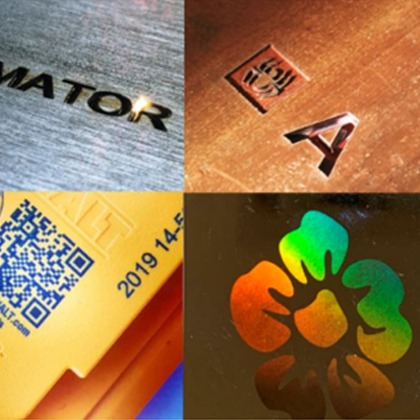
Laser etching is a marking process that uses focused laser energy to alter the surface of a material. Unlike traditional engraving methods that physically cut deeper into the material, etching typically creates shallower marks by melting the surface slightly.
This process is widely used because it creates:
- Clear and permanent markings
- High precision detail
- Consistent repeatability
- Faster processing compared with many traditional methods
Laser etching is commonly applied to metals, coated materials, plastics, and industrial components where durability and readability are important.
For many manufacturers, it has become an essential part of modern traceability and identification systems.
Start With Your Production Needs
Before comparing equipment, businesses should first evaluate how the machine will actually be used.
The right solution depends heavily on:
- Material types
- Production volume
- Marking complexity
- Required precision
- Workflow integration needs
A company producing small custom parts may require flexibility and detailed marking capability, while larger manufacturers may prioritise speed and continuous production performance.
Understanding your operational priorities early helps narrow down the most suitable equipment options.
Precision Matters More Than Many Businesses Expect
Marking quality affects much more than appearance. Poorly marked products can create issues with traceability, compliance, inventory management, and overall product presentation.
Laser etching systems are valued because they produce highly accurate and repeatable markings with minimal variation between batches.
This level of precision helps businesses:
- Maintain consistent product identification
- Improve readability of serial numbers and codes
- Reduce production errors
- Support stronger quality control processes
In industries where traceability is essential, reliable marking quality becomes a critical operational requirement.
Fiber vs CO2 Laser Systems
One of the most important decisions when selecting laser equipment involves choosing the appropriate laser technology.
Fiber Laser Systems
Fiber lasers are commonly used for metal applications and industrial manufacturing because they provide:
- High-speed marking
- Excellent precision
- Lower maintenance requirements
- Strong performance on metals and coated surfaces
They are widely used in engineering, automotive, and fabrication environments.
CO2 Laser Systems
CO2 systems are often better suited for:
- Wood
- Acrylic
- Plastics
- Organic materials
These systems are commonly used in signage, packaging, and non-metal applications.
The best choice depends entirely on the materials your business works with most often.
Ease of Use Is Often Overlooked
Many businesses focus heavily on technical specifications while overlooking day-to-day usability.
In reality, ease of operation can significantly affect productivity. Modern laser etching systems are designed to integrate more smoothly into production environments through:
- User-friendly software
- Faster job setup
- Workflow automation features
- Simplified controls
These improvements help reduce operator errors and make staff training easier.
A machine that fits naturally into daily operations often provides far more value than one with unnecessary complexity.
Looking Beyond the Purchase Price
When businesses search for a laser etching machine for sale, upfront cost naturally becomes part of the conversation. However, long-term operating value is usually much more important than initial pricing alone.
Factors such as maintenance, downtime, energy efficiency, and production reliability all affect the true cost of ownership over time.
Lower-cost systems may sometimes lead to:
- Increased servicing requirements
- More workflow interruptions
- Reduced marking consistency
- Higher long-term operational costs
Businesses that evaluate equipment based on long-term performance often make stronger investment decisions.
Why Workflow Integration Matters
Modern manufacturing relies heavily on connected and efficient production processes. Laser etching systems should integrate smoothly into existing workflows rather than creating additional complexity.
This includes compatibility with:
- Production software
- Automated systems
- Barcode and traceability systems
- Existing manufacturing processes
Smooth integration improves efficiency while reducing production delays and manual handling.
As manufacturing environments continue becoming more automated, integration capability is becoming increasingly important.
Sustainability and Smarter Manufacturing
Many businesses are also looking for ways to improve sustainability while maintaining productivity.
Laser etching supports this by reducing the need for consumables such as inks, labels, and chemicals. The process also creates less waste compared with many traditional marking methods.
More precise marking and reduced material waste help businesses operate more efficiently while supporting broader sustainability goals.
The Importance of Supplier Support
The machine itself is only one part of the investment. Ongoing supplier support plays a major role in long-term success.
Reliable suppliers help businesses with:
- Equipment selection
- Installation and setup
- Operator training
- Technical support and servicing
Strong support helps reduce downtime and ensures businesses continue receiving long-term value from their equipment.
Working with experienced suppliers also makes it easier to choose systems that genuinely match operational requirements.
Conclusion
Choosing the right laser etching system is about more than comparing specifications or prices. It is about finding equipment that supports production efficiency, improves marking quality, and delivers reliable long-term performance.
Businesses searching for a laser etching machine for sale should focus on how the system fits their workflow, materials, and future production goals rather than simply looking for the lowest-cost option.
At Nichol Industries, we work closely with manufacturers and industrial businesses to provide practical laser marking and etching solutions designed for real production environments. The right investment today can help create stronger, more efficient operations well into the future.