
Imagine a tense roadside encounter where an officer’s actions leave you questioning whether your rights were respected. In moments like these, police bodycam footage can become the clearest evidence of what truly happened. For residents in Victorville and across California, understanding how to access this video evidence isn’t just helpful—it’s often essential for protecting your civil liberties when facing potential police misconduct.
As a civil rights lawyer Victorville CA residents turn to, Attorney James S. Terrell of the Law Offices of James S. Terrell has seen firsthand how body-worn camera recordings can shift the balance in accountability cases. These videos provide an unfiltered window into interactions that might otherwise rely on conflicting accounts.
Understanding Police Body Cameras in California
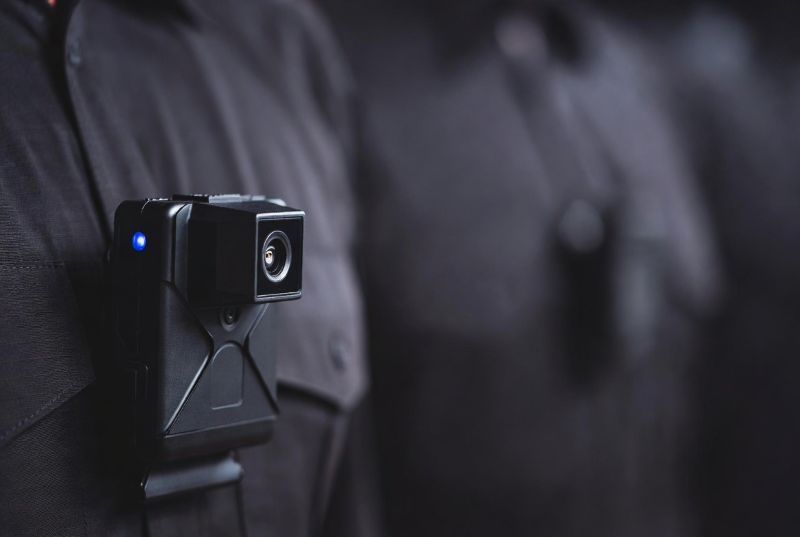
California law requires most law enforcement agencies to equip officers with body-worn cameras. These devices must activate during public interactions, vehicle stops, and use-of-force situations. The goal is greater transparency and better evidence for both investigations and public oversight.
Bodycam footage falls under the California Public Records Act (CPRA), which promotes open government while balancing privacy concerns. Not every clip is automatically released, but specific rules govern access, especially for serious incidents.
Key laws shaping access include:
- SB 1421 (2019): Mandates release of records for officer-involved shootings, serious use of force causing death or great bodily injury, and sustained findings of officer dishonesty or sexual assault.
- AB 748: Sets timelines for releasing footage from critical incidents, generally within 45 days, with provisions for redactions or temporary delays.
These reforms marked a significant step toward accountability, moving away from earlier practices where departments often treated all footage as exempt “evidence.”
Who Can Request Bodycam Footage?
Almost anyone can submit a request, but certain parties receive priority:
- Direct subjects of the recording or their legal representatives.
- Immediate family members if the subject is deceased or a minor.
- Members of the public via standard CPRA processes.
- Attorneys building civil rights claims.
In Victorville and San Bernardino County, requests typically go to the local police department or sheriff’s office. A civil rights lawyer Victorville CA like Attorney Terrell can help craft precise requests that maximize the chances of obtaining complete, unredacted (or properly redacted) footage.
Step-by-Step Guide to Requesting Police Bodycam Footage
- Identify the Agency and Incident Details Note the exact date, time, location, involved officers, and any case or incident numbers. Specificity helps locate the correct files quickly.
- Submit a Written CPRA Request Send your request via email, online portal, mail, or in person. Many agencies provide forms on their websites. Clearly state you seek “all body-worn camera footage” from the incident, including audio.
- Expect an Initial Response Agencies must respond within 10 calendar days, indicating whether records exist and providing an estimated release date. They can extend this by up to 14 days for complex requests.
- Review for Redactions or Denials Footage may be redacted to protect privacy (e.g., faces of uninvolved bystanders, medical information) or if release would interfere with an active investigation. Agencies cannot charge for staff time to redact videos, per a key California Supreme Court ruling.
- Follow Up or Appeal If denied improperly, you can petition the superior court to compel disclosure. An experienced attorney strengthens this process significantly.
Retention periods vary but often extend 60 days or longer for critical incidents, giving time to act before potential deletion.
Real-World Example: The Power of Bodycam Evidence
Consider cases involving alleged excessive force during traffic stops or protests. In one high-profile California incident involving use of force, released bodycam footage contradicted initial police reports, leading to sustained internal complaints and supporting a civil lawsuit. Families and attorneys used the video to demonstrate inconsistencies in officer statements, resulting in settlements and policy changes.
Attorney Terrell has leveraged similar video evidence in San Bernardino County cases to hold departments accountable. Without prompt requests, footage can be lost, edited improperly, or withheld longer than necessary, weakening potential claims.
Challenges in Obtaining Footage and How to Overcome Them
Departments sometimes delay releases citing ongoing investigations, privacy, or technical issues. Blanket refusals are not permitted—they must cite specific exemptions.
Common hurdles include:
- Claims that footage doesn’t exist (when it should).
- Excessive redaction that obscures key events.
- High fees (though redaction labor costs are generally not allowed).
- Slow responses in smaller agencies.
Working with a civil rights lawyer Victorville CA helps navigate these issues. Attorneys can issue preservation letters immediately after an incident to prevent destruction of evidence and pursue subpoenas in active litigation, which often yields broader access than public records requests.
Why Bodycam Footage Matters in Civil Rights Cases
Video evidence is objective and compelling in court. It can:
- Prove or disprove excessive force.
- Reveal violations of constitutional rights, such as unlawful stops or searches.
- Support claims under 42 U.S.C. § 1983 for federal civil rights violations.
- Influence jury perceptions far more effectively than testimony alone.
In Victorville and surrounding areas, where interactions with local law enforcement can lead to serious injury or worse, preserving this evidence quickly is critical. Delays reduce accountability and limit remedies for victims.
Best Practices for Protecting Your Rights
- Document everything immediately: notes, photos, witness contacts.
- Request footage as soon as possible.
- Avoid relying solely on self-representation—police misconduct cases involve complex qualified immunity defenses and procedural requirements.
- Consult a local expert early. The Law Offices of James S. Terrell offers dedicated support for those facing these challenges.
Attorney Terrell brings over 25 years of experience fighting police misconduct, false arrests, and excessive force cases across Southern California. His track record includes substantial settlements that demonstrate a proven ability to secure justice.
When to Contact a Civil Rights Attorney
If you’ve experienced an incident where bodycam footage could clarify events, don’t wait. Statutes of limitations apply to civil claims (often two years for federal cases), and evidence preservation windows are limited.
Whether in Victorville, Hesperia, or broader San Bernardino County, reaching out promptly can make the difference between accountability and impunity.
The Law Offices of James S. Terrell stands ready to evaluate your situation, help secure critical footage, and pursue the compensation and reforms your case deserves. Contact them today to discuss how video evidence can strengthen your position.