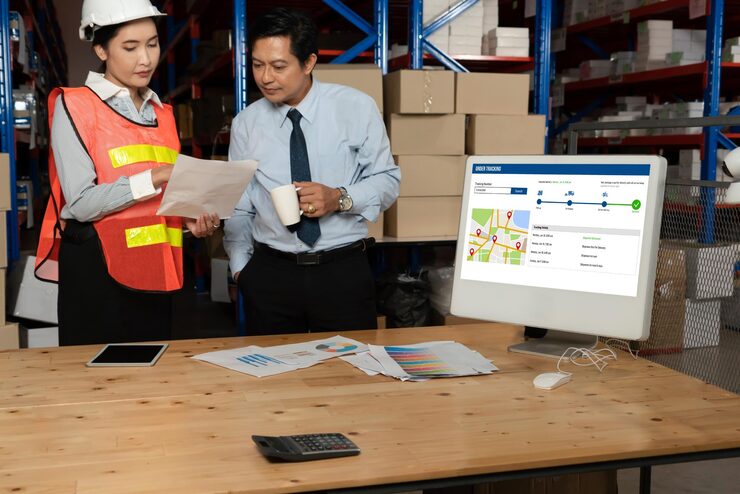

AI is doing some pretty impressive things in the shipping world. It can predict demand, sort through documents, and track freight across the globe. But here is the big question a lot of businesses are asking right now: can AI fully replace professional HTS classification services? Honestly? Not a chance. Here is why.
AI Is Fast, But Customs Is Complicated
AI is great at finding patterns and processing data quickly. No argument there. But customs compliance is a whole different story. HTS classification is not just about typing a product name into a search box and getting a code back. It means reading tariff schedules carefully. It means checking past CBP rulings. It also means making judgment calls based on years of experience.
AI can search fast. But it cannot take legal responsibility if something goes wrong. And in customs, someone always has to answer for the decision.
Where AI Hits a Wall?
There are a few key areas where AI tools just cannot keep up.
Reading Regulations the Right Way
Customs rules are not always straightforward. A lot of them need interpretation, not just a quick lookup. A licensed broker reads through the documentation, checks everything against the rules, and signs off before anything gets submitted to CBP. AI can give you options. But it cannot guarantee accuracy or take the blame if things go sideways.
Shipments With Multiple Agencies
Some shipments get reviewed by more than one federal agency at the same time. The FDA, USDA, and EPA can all have a say in a single cargo. Untangling overlapping requirements takes real human expertise. An automated system simply cannot handle that kind of complexity on its own.
Cargo Holds and Inspections
Even the best-planned shipments can hit a snag at the border. If CBP flags something for inspection or spots a document problem, someone needs to step up and talk directly with customs officers. AI can send an alert. But it cannot fix the problem. A real broker has to step in.
There Is a Lot More to HTS Classification Than a Code
Here is something worth knowing. Professional HTS classification services go way beyond pulling a number from a database. A good broker looks at how a product is designed and how that affects its classification. They also look for tariff engineering opportunities, where small changes to a product can reduce duty costs.
On top of that, they spot duty drawback chances where businesses can get refunds on certain exports. These are big financial decisions. AI can help crunch the numbers. But the responsibility always falls on a trained compliance professional.
New Products and First-Time Importers Need Extra Help
Automation works well when things follow a pattern. But a lot of shipments in global trade do not. New products, for example, often have no classification history at all. First-time importers need to set up an importer of record information and may need to get a continuous customs bond. Shipments that pass through multiple countries before entering the U.S. also need careful handling to avoid transshipment problems. In all these situations, an experienced broker who knows both the rules and the real world is worth their weight in gold. AI does not have that kind of judgment yet.
AI and Human Experts Work Best as a Team
Here is the truth, though. AI is not the enemy of customs brokerage. It actually makes brokers faster and more efficient. It helps firms handle bigger volumes without dropping the ball on compliance.
But here is the thing. CBP still requires a licensed U.S.-based broker to officially submit entries. No AI tool can fill that seat. A real, qualified professional still has to review everything and press submit. That is not changing anytime soon.
Final Thoughts
AI is a great tool. But it is not a replacement for proper HTS classification expertise. The judgment, accountability, and regulatory know-how required in customs compliance still belong to licensed professionals. For importers who want accurate classifications and zero compliance surprises, working with experienced experts is always the smarter move. Addis Global Trade Services brings the knowledge and hands-on experience to keep your shipments compliant and on the move.