
Storm prep sounds simple until you’re actually doing it. You’re covering windows, lifting panels, tightening bolts, and it all takes longer than you expected. That’s why more homeowners are moving toward systems that are already in place and ready to use.
Manual roll-down shutters fit that need. They’re mounted above your windows and doors, easy to operate, and built for situations where time matters. If you’re comparing options and want something reliable without over complicating things, this guide will help you make a clear decision.
What Are Manual Roll-Down Hurricane Shutters?
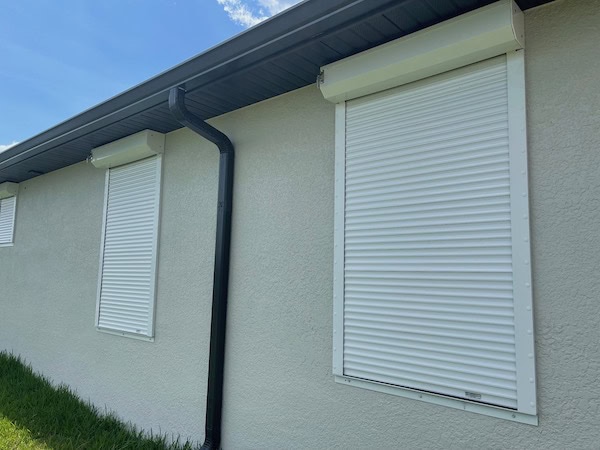
Manual roll-down hurricane shutters are permanent coverings that serve as an added layer of protection for your windows, doors, or other openings, such as lanais and patios. These shutters remain folded up when not in use, but can be unrolled and secured in place when required.
They run on a simple system:
- Hand-operated crank, normally placed inside the wall.
- Or, a strap system where one pulls the shutter down.
Once closed, the shutter locks into side tracks and forms a tight seal over the opening. This setup helps block wind, debris, and pressure changes during storms.
The main difference from motorized systems is obvious: there’s no electricity involved. You operate everything manually.
Why Many Homeowners Still Choose Manual Systems
Cost plays a role, but it’s not the only reason. A lot of buyers choose manual roll-down shutters because they’re straightforward. There’s no wiring, no motors, and fewer things that can go wrong over time. That matters when you’re relying on something during bad weather.
Another point worth noting: power outages are common during hurricanes. A system that works without electricity removes that uncertainty.
For many homes, especially single-story properties or places with fewer openings, manual operation feels manageable. It’s a trade-off, but one that makes sense if you value reliability over automation.
Key Features to Look for Before Buying Hurricane Shutters
Not all shutters are built the same. If you’re comparing options, focus on how they perform, not just how they’re described.
1. Strong, Impact-Resistant Material
Most high-quality shutters use reinforced aluminum. This isn’t just about strength, but it’s about how the material handles repeated stress from wind and debris. Look for systems tested for hurricane conditions, especially if you’re in a coastal area.
2. Secure Track System
The side tracks hold the shutter in place. If these aren’t solid, the whole system becomes unreliable. A well-built track keeps the shutter steady and prevents movement under pressure.
3. Smooth Operation
You shouldn’t struggle to open or close the shutter. A good crank or strap system should feel controlled and consistent. If it feels stiff during a demo, it won’t improve later.
4. Clean, Low-Profile Design
When the shutters are open, they shouldn’t be very noticeable. Modern systems are designed to blend into the structure, so your home doesn’t look like it’s in storm mode all year.
How Easy Is It to Use Day to Day?
This is where people hesitate, so it’s worth being direct.
Manual shutters do take effort, but not as much as most expect. For a standard window, lowering the shutter takes a minute or two. Larger openings might take a bit longer, depending on the system.
The real factor is how many openings you need to cover. A home with ten windows will take more time than one with four. Access also matters; ground-floor windows are easier than upper-level ones.
Most homeowners get faster with use. After a few cycles, the process becomes routine rather than a task you have to think about.
Are Manual Roll-Down Shutters Right for Your Home?
This depends less on the product and more on your setup.
They work well if:
- You want a cost-conscious option without cutting back on protection
- Your windows and doors are easy to reach
- You’re comfortable handling setup before and after a storm
They may not be ideal if:
- Your home has multiple levels with limited access
- You want everything to run at the push of a button
- You’re not comfortable with manual operation
Being honest here saves you from choosing the wrong system.
More Than Just Storm Protection
A lot of people install hurricane shutters and only think about them during storm season. That’s a missed opportunity.
Manual roll-down shutters can be used throughout the year.
They add an extra layer of security when you’re away. Once closed, they act as a barrier to entry points, making forced access more difficult. They also help with heat and light control. In warmer climates, lowering shutters during peak sun hours can reduce indoor heat and ease the load on your cooling system.
If you live near a busy road, you’ll notice the noise reduction as well. It’s not soundproofing, but it does make a difference. And then there’s privacy. You can close them fully or partially, depending on what you need at the time.
Questions to Ask Before You Make a Decision
Before you move forward, take a practical approach. Ask questions that reflect how you’ll actually use the system.
- How long will it take to secure all openings in my home?
- Can everyone in the household operate it comfortably?
- Does the design match the exterior of my home?
- What kind of upkeep will it need over time?
These answers matter more than any sales pitch.
Installation Plays a Bigger Role Than You Think
Even well-built shutters will not work efficiently if they are improperly installed. Proper installation makes sure that:
- The shutter aligns with the opening
- The tracks are fixed in place.
- The system moves without resistance
Any errors during installation may lead to serious issues in the future, particularly when dealing with strong, pressurised winds. That’s why professional installation is worth considering.
Final Thoughts
If you’re looking at hurricane shutters and want something dependable without stretching your budget, manual roll-down shutters are a solid option.
They don’t rely on power or involve complicated systems. When the weather turns, they do what they’re supposed to: close securely and protect what’s inside.
The right choice comes down to how your home is set up and how you prefer to handle storm prep. If you’re okay with a bit of hands-on effort in exchange for long-term reliability, this is a system that delivers where it counts.