
Can a steam plant stay reliable if feedwater delivery keeps fluctuating? Not for long. A boiler feed system controls how condensate and makeup water return to the boiler so the steam cycle can keep working without dry firing, pump stress, or repeated level-control problems. In demanding facilities, this equipment does not work in a clean, easy corner. It deals with heat, moisture, treatment chemicals, pressure changes, and long operating hours.
That is why stainless steel construction connects well with boiler feed applications. Boiler rooms need equipment that can resist corrosion, handle condensate, support steady water movement, and reduce service interruptions.
Boiler Feed Equipment Protects Steam Performance From Small Failures
Steam operation depends on one simple condition: the boiler must receive the right water volume at the right time. A boiler feed system gives the boiler a controlled feedwater source instead of relying on irregular return flow. This helps the plant avoid unstable water levels, short cycling, and unnecessary wear on pumps.
The stainless steel series from Skidmore connects with this requirement because it focuses on corrosion-resistant condensate handling, pumps, and receivers for tough boiler-room use. Stainless steel works well where hot condensate, oxygen, and moisture can damage weaker materials.
In a hospital, school, manufacturing facility, or commercial building, feedwater reliability affects more than equipment. It affects heating, process steam, comfort, cleaning, production, and daily building operations.
Stainless Steel Construction Improves Condensate Handling
Condensate return often carries heat, minerals, and chemical treatment residue. Over time, that mix can attack receivers, fittings, and pump components. A boiler feed system with stainless steel construction gives facility teams stronger resistance against internal rust and premature material breakdown.
This advantage becomes more important when the system runs for long periods or when shutdown windows stay limited. Facility managers usually do not want a boiler-room repair that turns into a building-wide disruption.
Key stainless steel advantages include the following:
- Better resistance against moisture-related corrosion
- Longer service potential in hot condensate areas
- Cleaner handling of condensate and makeup water
- Reduced risk of receiver deterioration
- Stronger fit for commercial and institutional boiler rooms
The goal is not only durability. The goal is stable feedwater movement with fewer preventable failures.
Custom Configuration Helps Match Real Boiler Room Demand
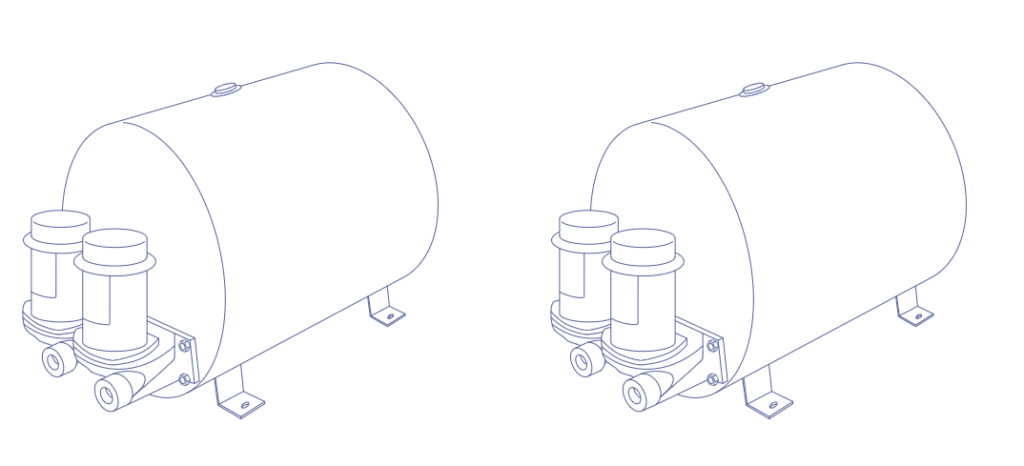
No two boiler rooms operate the same. Some properties need a simplex unit. Others need duplex pumping, backup capacity, larger receivers, higher pressure, or custom control logic. A boiler feed system selected without proper sizing can create pressure loss, pump overwork, or poor response during peak steam demand.
Custom-fit engineering gives facilities a better way to match equipment with boiler horsepower, condensate return rate, discharge pressure, and space limits. Skidmore’s “You need it, we’ll build it” approach supports this type of selection when standard equipment does not fit the room or the duty cycle.
This is where application knowledge counts. A feedwater unit should match the actual job, not just the pipe size. It should account for system load, pump redundancy, maintenance access, and future service needs.
Maintenance Access Reduces Downtime Risk
Service design has a direct effect on plant reliability. If technicians cannot reach pumps, valves, gauges, or controls without extra labor, even a small issue can stretch into a long repair.
Top-mounted pumps, accessible components, simple controls, sight glass visibility, and serviceable parts all help maintenance teams work with less disruption. These design details also help during inspections because technicians can check water levels, temperature behavior, pump response, and valve condition with less guesswork.
Better maintenance access supports:
- Faster troubleshooting
- Cleaner part replacement
- Easier inspection routines
- Lower labor pressure during service calls
- Better planning before equipment failure
A boiler room does not need complicated equipment to prove quality. It needs equipment that technicians can inspect, service, and return to operation without losing unnecessary time.
Reliable Feedwater Design Supports Long-Term Operating Value
The purchase price tells only one part of the story. Boiler rooms also carry costs from downtime, emergency repairs, part replacement, labor hours, water treatment issues, and poor system matching. A stronger feedwater setup can reduce those risks when facilities choose the right materials, controls, capacity, and service layout.
For healthcare, education, industrial, manufacturing, and commercial buildings, long-term value comes from stable performance. A dependable feedwater unit supports steam availability, protects equipment, and gives the maintenance team a more manageable system.
Conclusion
Reliable steam operation depends on steady feedwater control, corrosion-resistant materials, correct sizing, and service-friendly design. Stainless steel pumps and receivers fit demanding boiler rooms because they support condensate handling, reduce corrosion risk, and improve long-term equipment planning. For facilities that need stable steam performance with fewer avoidable service problems, a boiler feed system remains one of the most important equipment choices in the mechanical room.