
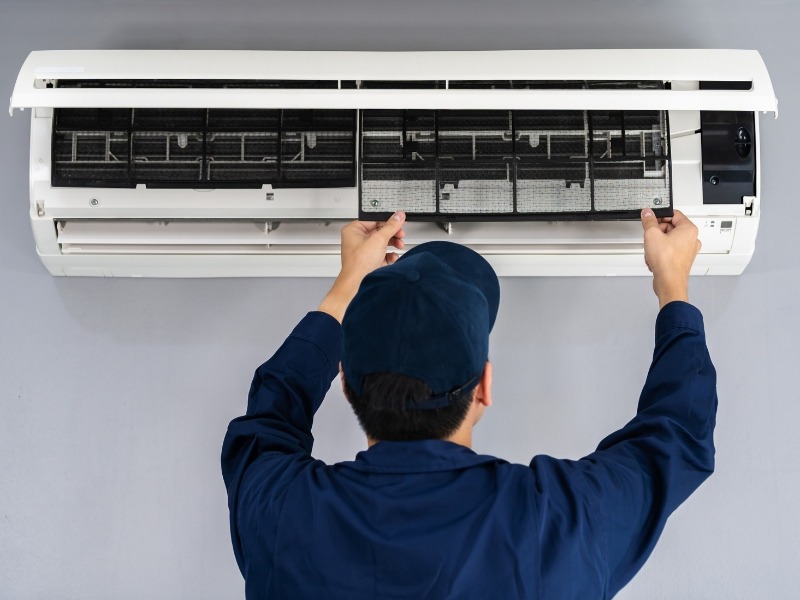

A business that takes the comfort of its staff and customers seriously will eventually turn its attention to cooling. The decision to upgrade — whether from an ageing split system to a modern multi-zone installation, or from basic ventilation to a fully integrated commercial solution — is rarely just about temperature. The benefits that follow a well-planned upgrade touch on productivity, energy costs, compliance, and the experience of everyone who uses the space.
The Limitations of Older Systems
Many commercial premises in the UK still rely on cooling and ventilation equipment installed well over a decade ago. These systems were often adequate when first fitted but have since become inefficient by modern standards. Older refrigerants, worn compressors, and clogged ductwork all contribute to higher running costs and less effective temperature control.
Beyond efficiency, older systems also present compliance risks. Regulations around refrigerants, energy performance, and ventilation standards have tightened considerably. A business running equipment that no longer meets current standards may face difficulties during inspections or when renewing commercial leases.
The Case for Proper Ventilation System Installation
Ventilation and cooling are distinct but closely related functions. A well-designed ventilation system installation ensures that fresh air is continuously introduced into a space while stale, humid, or contaminated air is extracted. Without adequate ventilation, even a powerful air conditioning unit cannot maintain genuinely healthy air quality.
For businesses in sectors such as food service, healthcare, or office work — where air quality has regulatory as well as comfort implications — proper ventilation system installation is not optional. Upgrading to a modern system that integrates both cooling and ventilation provides a comprehensive solution to indoor environment management.
Choosing the Right Commercial Air Conditioning Unit
The range of commercial air conditioning unit options available today is extensive, with systems designed to suit different building layouts and operational needs. Selecting the right system requires more than simply choosing a unit based on size; it involves understanding how a building functions and how cooling demands vary throughout the day.
Common commercial air conditioning options include:
- Cassette Units: Ideal for open-plan offices, retail spaces, and restaurants. These ceiling-mounted systems distribute airflow evenly across large areas while saving wall space and maintaining a professional appearance.
- Ducted Systems: A discreet solution that delivers conditioned air through hidden ceiling ductwork. These systems provide consistent airflow and are commonly used in hotels, offices, and premium commercial environments.
- VRF Systems: Variable Refrigerant Flow systems offer individual temperature control across multiple zones, making them highly efficient for multi-floor buildings and larger premises.
When selecting a system, businesses should carefully assess:
- Floor area and building layout
- Occupancy levels
- Heat generated by equipment
- Building insulation and structure
- Operating hours
A properly specified commercial air conditioning unit improves comfort, lowers energy costs, and delivers efficient performance throughout its operational lifespan.
Energy and Running Cost Benefits
Modern commercial cooling systems are designed to improve efficiency while reducing long-term operating costs. Advanced technologies help businesses lower energy consumption and avoid unnecessary cooling expenses. Features such as intelligent controls and targeted temperature management contribute to significant savings over time.
| System Feature | Efficiency Benefit |
| Inverter technology | Adjusts compressor speed according to demand, reducing energy use during partial loads and avoiding excessive power consumption. |
| Zone control | Allows cooling only in occupied spaces, preventing energy waste in unused rooms or areas. |
| Heat recovery ventilation | Reuses thermal energy from extracted air, reducing heating demand during colder months and improving overall efficiency. |
| Smart controls | Uses scheduling, automation, and occupancy settings to optimise operation and reduce unnecessary energy use. |
These technologies not only lower utility bills but also improve system performance, increase equipment lifespan, and support more sustainable business operations.
Conclusion
Upgrading cooling and ventilation is a decision that delivers benefits across multiple areas of business operation. Proper ventilation system installation and an appropriately specified commercial air conditioning unit can improve comfort, reduce energy costs, and create a healthier working environment for employees and customers alike. Companies such as Hamilton Air Conditioning Ltd can support businesses through professional installation and tailored climate control solutions designed to provide reliable, efficient, and long-term performance.


