
In heavy lifting work, time is money, and equipment failure can quickly turn into a serious cost problem. When a crane stops working on a job site, the whole work slows down. Workers wait, deadlines get pushed, and in some cases, contracts get affected.
Most crane failures do not happen suddenly without warning. They often start with small overload mistakes, poor load balance, or operator judgment errors. This is exactly where modern load checking systems like the PAT DS-350 LMI become very important.
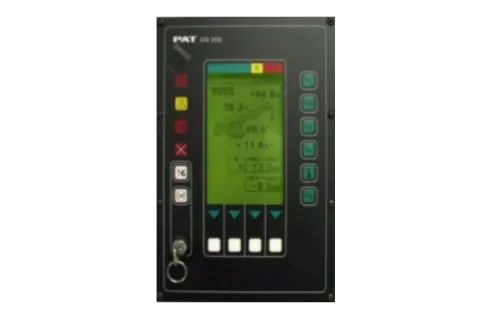
The PAT DS-350 LMI is made to constantly check crane conditions and help operators stay within safe working limits. It reduces human mistakes and protects both the machine and the job site flow.
What the PAT DS-350 LMI Actually Does
The PAT DS-350 LMI (Load Moment Indicator) is like a smart helper for crane operators. It keeps checking lifting conditions all the time and gives real time feedback.
It checks key safety factors such as:
- Load weight being lifted
- Boom angle and reach
- Working distance of the crane
- Safe load limits based on setup
Instead of waiting for something to go wrong, it warns the operator before the crane goes into unsafe working conditions.
This early warning monitoring is what makes it useful in stopping breakdowns and work delays.
How It Prevents Costly Crane Failures
Crane failures often happen due to overload pressure or wrong lifting angles. The system helps reduce these risks by constantly calculating safe working conditions.
Here is how it directly helps prevent failures:
- It alerts operators before lifting beyond safe limits
- It reduces pressure on crane parts like boom and cables
- It helps maintain proper balance during lifting work
- It prevents sudden mechanical stress that leads to breakdowns
By controlling these risks early, the system protects the crane from damage that could take days or even weeks to fix.
How It Reduces Job Site Downtime
Downtime is not just about fixing equipment. It also includes waiting time, rescheduling work, and losing productivity. The PAT DS-350 LMI helps reduce downtime in a practical way.
It supports smooth work by:
- Keeping lifting work within safe limits all the time
- Reducing sudden shutdowns caused by overload damage
- Helping operators make faster and safer choices
- Lowering the chances of emergency repairs on site
When cranes work without breaks, the full project timeline stays on track. That alone can save a lot of work cost.
Helping Operators Make Better Decisions
Even skilled crane operators face pressure on busy job sites. Small mistakes can lead to big safety risks. This system acts like a second layer of support.
It provides:
- Clear warnings during unsafe lifting conditions
- Real time data to support decision making
- Visual and sound alerts to avoid mistakes
This makes operations more controlled and easy to predict, especially in complex lifting environments like construction sites and industrial zones.
Why This System Matters for Modern Construction Work
Modern construction projects depend heavily on accuracy and safety rules. Equipment is more advanced, loads are heavier, and job sites are more crowded than before.
A system like the PAT DS-350 LMI helps bridge the gap between human control and machine safety intelligence. It reduces doubt and brings steady performance to lifting operations.
In practical terms, it helps companies:
- Protect costly equipment
- Keep workers safe
- Improve project speed
- Reduce unexpected financial losses
Final Takeaway:
Crane operations are risky by nature, but most failures can be avoided with the right monitoring systems. The PAT DS-350 LMI plays a key role in making lifting work safer and more efficient by constantly checking load conditions and preventing unsafe actions before they happen.
When combined with safety parts like the PAT Hirschmann 031-002-060-011 A2B Switch in the final protection layer, crane systems become even more reliable and safe during extreme lifting conditions.