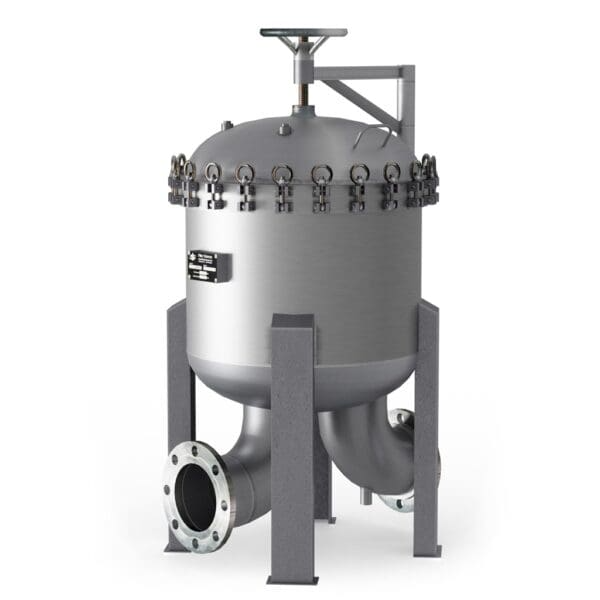

Oil and gas operations are brutal on equipment. Extreme pressure, corrosive fluids, and abrasive solids move through systems constantly, putting every downstream component under stress. Most attention goes to pumps, compressors, and separators – the expensive stuff. But sitting upstream of all that machinery is something far simpler that does remarkably important work. A well-chosen stainless steel bag filter housing is often what separates a smoothly running production line from one drowning in repair costs nobody planned for.
What’s Hiding in Produced Water
When hydrocarbons come up from the ground, produced water comes with them – and it carries sand, clay, scale, and suspended solids that are genuinely destructive to downstream equipment. In fracking operations, the volumes are massive and the particulate load hits hard. Here’s what happens when that material travels through an unprotected system:
- Pump impellers wear down from constant abrasive contact
- Valve seats get scratched and start leaking prematurely
- Heat exchangers foul with sediment and lose efficiency
- Injection wells clog with solids, reducing flow and pressure performance
Each of these problems means downtime, maintenance spend, or full equipment replacement – sometimes all three hitting at once.
Why Housing Material Is Not a Small Decision
Carbon steel housings have been common in oilfield settings for years because they’re cheaper upfront. That logic breaks down fast when produced water enters the picture. The chlorides and corrosive compounds in saltwater disposal and fracking fluids are exactly what carbon steel struggles against. Corrosion sets in, welds weaken, and the housing eventually becomes a contamination risk itself.
The bag filter housing built from stainless steel handles this differently. Grade 316 stainless resists chloride pitting – the specific corrosion mechanism that destroys carbon steel in these environments. It holds structural integrity under pressure cycling, doesn’t fail at weld points, and crucially, doesn’t shed rust particles into the fluid stream the way aging carbon steel does. That last point matters more than people initially realize.
How the Filtration Process Actually Works
A housing for bag filtration in stainless steel works simply but effectively. Produced water enters above the filter bag, fills the vessel interior, and gets pushed through the filter media under system pressure. Solids get captured – typically down to around ten microns for fracking applications – and clean fluid exits through the outlet.
What makes this genuinely valuable in oilfield use is the zero discharge design. No fluid is lost to backwashing or purging cycles, which matters both for operational efficiency and environmental compliance in high-volume saltwater disposal setups. Companies like Filter Sciences have built their configurations around exactly these demands, offering systems that scale from single-pod units up to multi-pod setups handling tens of thousands of GPM.
The ROI Case Is Straightforward
The honest financial argument for stainless steel in a bag filter housing isn’t complicated. Yes, the upfront cost is higher than carbon steel. But factor in longer service life, eliminated corrosion failures, reduced maintenance intervals, and the protection extended to far more expensive downstream equipment – and the numbers make sense quickly.
A single pump rebuild or compressor repair in an oilfield setting can run tens of thousands of dollars. A quality stainless steel bag filter housing that prevents even one of those events has already paid for itself. That’s the real calculation worth making before defaulting to the cheaper option at the purchasing stage.
Conclusion
Downstream equipment doesn’t protect itself. The fluids moving through oilfield systems are aggressive, and the components they pass through are expensive to fix. A properly specified stainless steel bag filter housing is one of the most practical, cost-effective ways to reduce that risk – quietly, reliably, every single day.