
Clean Buildings Usually Get Judged Before Anyone Notices the Cleaning
Property managers spend a surprising amount of time correcting assumptions about cleaning. Tenants notice a fingerprint on a glass door, a stale hallway, or a restroom that smells slightly off, then suddenly the entire building feels neglected to them. What most people miss is that commercial cleaning is rarely about making a place look polished for one afternoon. It is about controlling wear, moisture, dust, odors, and traffic patterns before they quietly turn into bigger maintenance problems. A well-maintained building has a certain feel to it. The carpets hold their texture, the air feels lighter, and common areas do not carry that tired, overused smell that shows up in busy properties. Experienced companies like Alayjiah Cleaning Services understand this because the real work usually happens long before occupants notice anything wrong.
Misconception 1: If the Carpet Looks Fine, It Does Not Need Cleaning
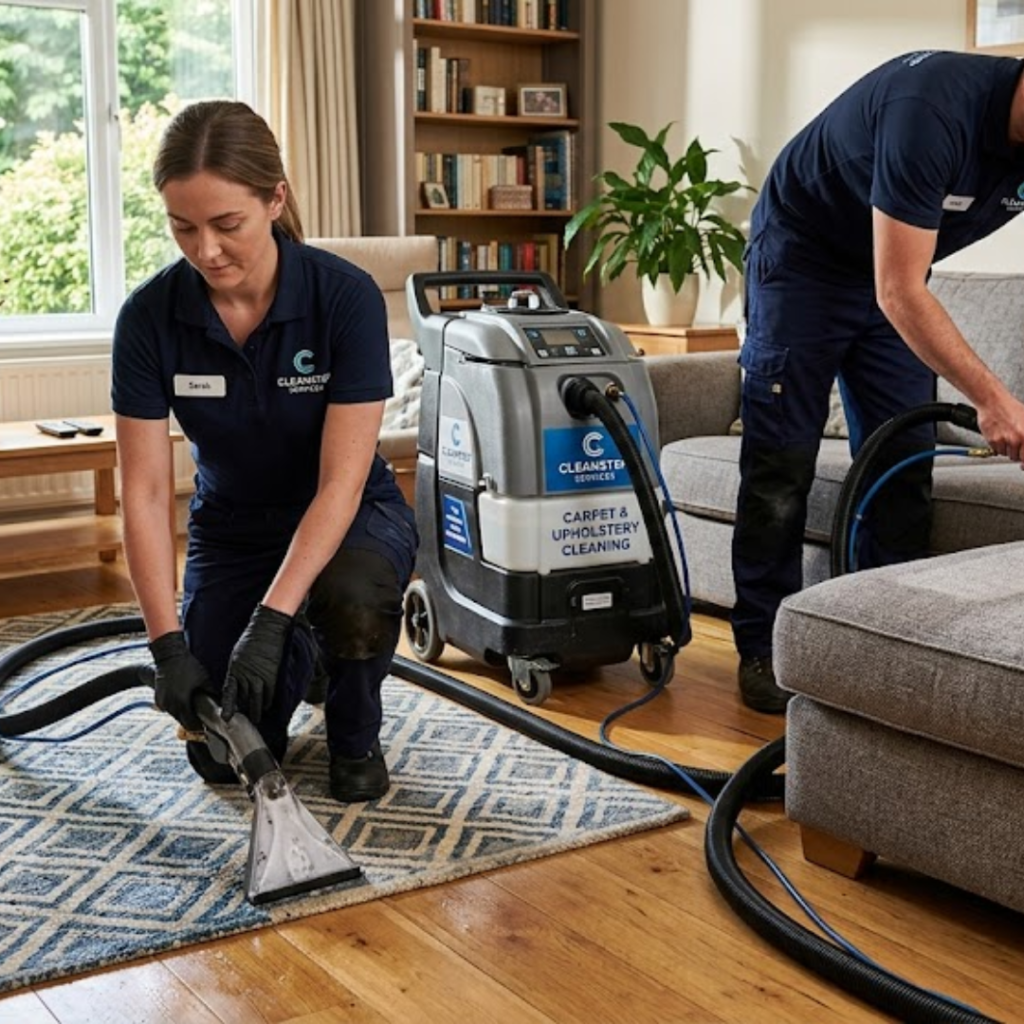
This one never really goes away. A carpet can look decent on the surface while holding months of embedded dust, moisture, oils, and foot traffic deep in the fibers. Office buildings are especially deceptive because commercial carpet patterns are designed to hide wear. That is useful for appearance, but terrible for maintenance decisions. By the time visible traffic lanes appear, the fibers are often already compressed and permanently damaged. Property managers who oversee busy offices learn quickly that waiting for carpets to “look dirty” usually means the damage has already started. Regular Office Carpet Cleaning, Fort Worth, scheduling is less about appearance and more about slowing down deterioration before replacement costs become part of the conversation.
Misconception 2: Commercial Cleaning Is Mostly Cosmetic
People tend to reduce cleaning to surfaces because surfaces are what they see. In reality, many building complaints begin with conditions that are not immediately visible. Dust buildup near vents affects indoor air quality. Moisture trapped around carpet backing creates lingering odors that no air freshener can fix. Restrooms that are technically sanitized can still smell unpleasant because of poor maintenance around drains, grout, or ventilation. Employees notice these things subconsciously. Visitors definitely notice them. Buildings that feel stuffy or neglected lose credibility fast, even if nobody openly says it. Good cleaning changes how a property functions day to day, not just how it photographs.
Misconception 3: Every Building Should Follow the Same Cleaning Schedule
This idea sounds logical until you spend time inside different commercial spaces. A quiet law office does not experience wear the same way a coworking space does. Medical buildings carry completely different sanitation concerns than retail properties. Entrance carpets near parking lots take constant abuse from moisture and debris, while interior conference rooms may stay relatively clean for weeks. Property managers who rely on rigid cleaning schedules usually end up over-cleaning low-traffic areas while high-use sections deteriorate faster than expected. The smarter approach is adjusting maintenance around how people actually move through the building. That is one reason Office Carpet Cleaning, Fort Worth, plans work better when they are built around traffic flow instead of generic timelines.
Misconception 4: Strong Chemical Smells Mean the Space Was Thoroughly Cleaned
A lot of people still associate harsh fragrances with cleanliness, which honestly says more about marketing than sanitation. Heavy scents often cover lingering odor sources instead of removing them. Experienced cleaners usually pay closer attention to extraction, residue removal, airflow, and drying conditions because those are the things that actually determine whether a space feels fresh two days later. Some property managers have started moving away from fragrance-heavy products altogether because employees complain about headaches or stale indoor air afterward. Similar conversations are happening among homeowners searching for residential cleaning services in Brooklyn, especially in apartment buildings where poor ventilation tends to trap chemical smells longer than people expect.
Misconception 5: Cleaning Problems Show Up Overnight
Most maintenance issues build slowly enough that people stop noticing them in real time. Carpet fibers flatten gradually. Dust settles layer by layer around vents and baseboards. Odors become part of the background until someone new walks into the building and immediately notices them. Property managers see this pattern constantly. Small maintenance gaps rarely stay small for long, especially in busy commercial properties where hundreds of people move through shared spaces every day. Preventive cleaning matters because once flooring, odors, or air quality issues become obvious, the work usually becomes more expensive, more disruptive, and harder to reverse completely.
Conclusion
Commercial cleaning gets misunderstood because people only think about it when conditions start slipping. Property managers know better. They see how quickly neglected maintenance changes the feel of a building and how strongly tenants react to environments that seem worn down, stale, or poorly cared for. Good cleaning is not performative. It protects flooring, supports healthier indoor spaces, and preserves the overall condition of a property over time. If your building has started feeling harder to maintain, or if complaints are becoming more frequent, it may be time to take a closer look at whether your current cleaning approach is solving problems early or simply reacting to them after the damage is already visible.