
Research and development environments depend on consistency and precision to achieve successful outcomes. Laboratories, pilot plants, and testing systems often work with sensitive processes where even minor changes in operating conditions can affect performance and result accuracy. Maintaining stable flow conditions is therefore essential for obtaining reliable and repeatable data.
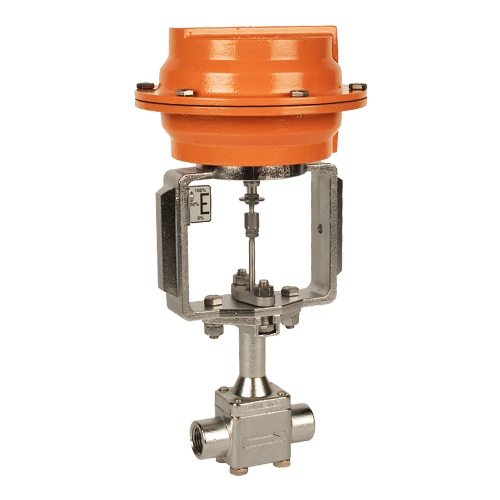
A research control valve is designed to meet these demanding requirements by delivering highly accurate regulation in low-flow and specialized applications. These valves help create controlled environments that support testing, product development, and process analysis.
Understanding the Role of a Research Control Valve
A research control valve is a precision valve developed for systems that require careful management of low and fractional flow rates. Standard industrial valves are often designed for larger process operations, while research valves focus on achieving greater control over smaller flow conditions.
They are commonly installed in environments where detailed process control is required, including:
- Research laboratories
- Pilot plant facilities
- Product testing systems
- Development centers
- Specialized processing operations
The purpose of these valves is to deliver precise adjustments that help maintain process consistency.
Why Precision Flow Control Is Critical
Research systems often operate under tightly controlled conditions where accuracy directly affects results. Variations in pressure or flow can change testing parameters and create unreliable outcomes.
Maintaining precise control offers several advantages:
- Better testing consistency
- Reliable data collection
- Reduced process fluctuations
- Improved system stability
- Increased operational efficiency
Accurate flow management helps reduce uncertainty during research and development activities.
Working Process of a Research Control Valve
A research control valve operates using an internal regulating mechanism that adjusts fluid movement according to process demands.
The valve contains a control component that moves based on signals generated by the control system. This movement regulates the amount of fluid passing through the valve.
Actuation systems commonly include:
- Pneumatic actuation
- Electric actuation
- Automated control systems
During operation, the valve continuously manages:
- Flow quantity
- Pressure levels
- Fluid movement
- Process performance
Its ability to make fine adjustments helps maintain highly controlled operating conditions.
Benefits of Using a Research Control Valve
Accurate Low-Flow Regulation
One of the major strengths of a research control valve is its capability to regulate small flow rates with exceptional accuracy.
Processes involving injection systems, dosing operations, and controlled venting often depend on this level of control.
Reliable Operation for Continuous Testing
Research environments frequently involve long-duration testing processes where equipment reliability becomes important.
Stable valve operation helps reduce interruptions and maintain consistent process conditions.
Flexibility Across Different Applications
Research activities often involve changing process requirements and multiple testing conditions.
Research control valves provide flexibility for a variety of applications without requiring major system changes.
Integration with Automated Technology
Modern facilities increasingly use automated systems for improved control and monitoring capabilities.
These valves can support automation through:
- Real-time process adjustments
- Faster response times
- Continuous monitoring
- Reduced manual operation
Automation helps improve both productivity and process accuracy.
Applications Across Different Industries
Research control valves serve many industries where testing and process development play a critical role.
Aerospace Testing Systems
Aerospace environments require highly controlled conditions to evaluate system performance and reliability.
Chemical Processing Research
Chemical facilities often conduct testing and product development activities that require stable flow conditions.
Oil and Gas Applications
Testing systems in oil and gas operations rely on precise fluid management during analysis and development procedures.
Hydrogen Fuel Research
Hydrogen technology applications often involve sensitive testing conditions where accurate flow control is essential.
Specialized Industrial Processes
Applications involving injection systems, venting operations, and controlled dosing frequently use precision flow valves.
Important Considerations During Valve Selection
Selecting the right valve configuration can significantly affect system performance.
Flow Requirements
Understanding operating conditions helps determine the correct valve capacity.
Pressure Conditions
System pressure influences valve operation and performance characteristics.
Fluid Properties
Different process media require careful material selection.
Important considerations include:
- Fluid temperature
- Corrosion resistance
- Viscosity
- Pressure conditions
- Purity levels
Required Control Accuracy
The required level of precision often determines the most suitable valve design.
Conclusion
Modern research and testing environments continue to demand accurate and dependable process control solutions. A research control valve provides the precision needed to maintain stable conditions and support consistent results.
Whether used in laboratories, pilot plants, aerospace systems, or specialized industrial facilities, these valves contribute significantly to process efficiency and reliable performance in critical applications.