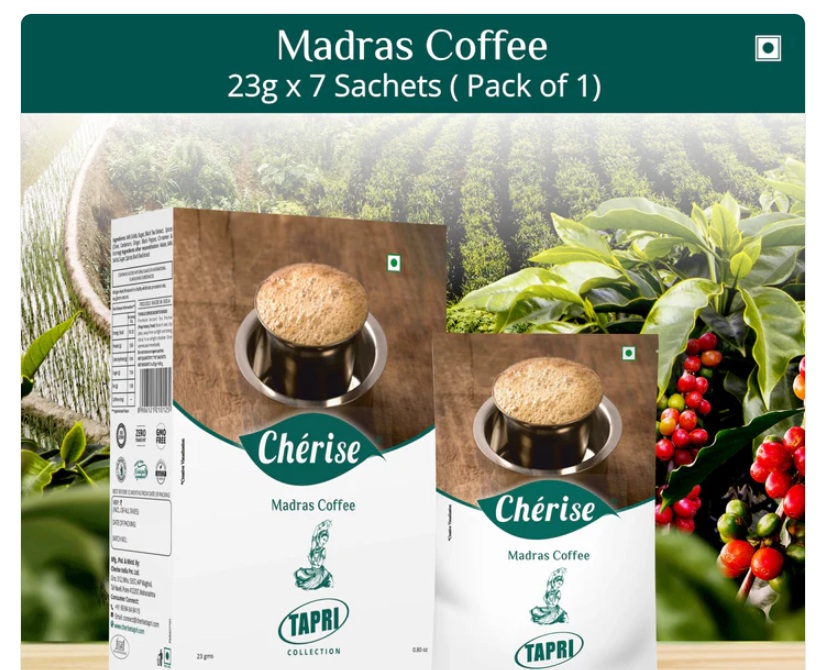

Madras coffee stands as a timeless symbol of India’s rich beverage culture, embodying tradition, flavor, and craftsmanship. Originating from South India, particularly the region historically known as Madras (now Chennai), this coffee has earned its reputation as one of the finest and most distinctive coffee styles in India. With its unique brewing method, balanced flavor, and cultural significance, Madras coffee continues to captivate both locals and global coffee enthusiasts.
What Makes Madras Coffee Unique
At the heart of Madras coffee lies a distinct brewing technique and a carefully crafted blend of coffee beans. Unlike conventional coffee, Madras coffee is prepared using a traditional South Indian filter, which slowly extracts the coffee decoction, resulting in a rich, aromatic concentrate.
Key features that define its uniqueness include:
- Use of Arabica and Robusta beans blended with chicory
- Slow drip brewing process
- Rich, strong, and smooth flavor profile
- Signature frothy texture when served
The addition of chicory enhances body and depth, creating a thicker and more intense cup compared to regular coffee.
The Traditional Brewing Process
The preparation of Madras coffee is an art perfected over generations. The process involves:
- Grinding Fresh Coffee Beans – A blend of roasted coffee beans and chicory is ground finely.
- Using a South Indian Filter – The powder is placed in a metal filter, and hot water is poured over it.
- Slow Extraction – The decoction drips gradually into the lower chamber.
- Mixing with Milk – The strong decoction is combined with hot, boiled milk.
- Adding Sugar – Sweetness is adjusted to taste.
- Creating Froth – The coffee is poured back and forth between a tumbler and a davara to create a thick froth.
This process results in a perfectly balanced beverage that is neither too bitter nor overly sweet.
Why Madras Coffee Is Famous
- Rich Cultural Heritage
Madras coffee is deeply rooted in South Indian culture, especially in Tamil households. It is not just a beverage but a daily ritual, often served to guests as a mark of hospitality.
- Distinct Flavor Profile
The combination of coffee and chicory creates a bold yet smooth taste that stands apart from instant or espresso-based coffee. The flavor is:
- Full-bodied
- Aromatic
- Mildly bitter with a smooth finish
- Iconic Serving Style
Madras coffee is traditionally served in a steel tumbler and davara, enhancing both presentation and experience. The act of pouring between the two vessels cools the coffee slightly while creating a signature frothy layer.
- Strong Yet Balanced
Unlike many strong coffees that can be harsh, Madras coffee achieves a perfect balance between strength and smoothness, making it suitable for daily consumption.
- Widely Loved Across Generations
From elderly coffee lovers to younger enthusiasts, Madras coffee appeals to all age groups due to its comforting and consistent taste.
The Role of Chicory in Madras Coffee
One of the defining aspects of Madras coffee is the inclusion of chicory. This roasted root enhances the coffee by:
- Adding thickness and body
- Reducing acidity
- Providing a slightly woody, nutty flavor
This blend creates a distinct identity that separates Madras coffee from other coffee styles across India.
Madras Coffee vs Other Indian Coffees
Filter Coffee vs Instant Coffee
Madras filter coffee offers a freshly brewed, aromatic experience, while instant coffee often lacks depth and complexity.
Filter Coffee vs Espresso
Espresso is concentrated and intense, whereas Madras coffee is diluted with milk, resulting in a smoother and more approachable drink.
Filter Coffee vs North Indian Coffee Styles
North Indian coffee culture often leans toward instant or café-style beverages, while Madras coffee remains rooted in traditional preparation and authenticity.
Health Benefits of Madras Coffee
Madras coffee is not only delicious but also offers several benefits when consumed in moderation:
- Boosts energy levels
- Improves mental alertness
- Contains antioxidants
- Aids digestion due to chicory content
The inclusion of milk also provides calcium and nutrients, making it a wholesome beverage.
The Growing Popularity of Madras Coffee
In recent years, Madras coffee has gained nationwide and international recognition. Specialty cafés and restaurants are embracing traditional brewing methods, introducing this iconic drink to a broader audience.
Factors driving its popularity include:
- Authentic taste experience
- Rising interest in traditional beverages
- Premium positioning in urban cafés
- Global appreciation for artisanal coffee
How to Enjoy Madras Coffee at Its Best
To fully appreciate Madras coffee, it is essential to follow certain practices:
- Use freshly ground coffee powder
- Maintain the correct coffee-to-chicory ratio
- Use a traditional filter for brewing
- Serve hot with froth
- Avoid over-sweetening to preserve flavor
The experience lies not just in drinking but in the ritual and preparation.
Madras Coffee in Modern India
Despite the rise of international coffee chains, Madras coffee continues to hold its ground. It is widely available in:
- Traditional South Indian homes
- Local coffee houses
- Modern cafés embracing heritage beverages
This blend of tradition and modernity ensures that Madras coffee remains relevant and cherished.
Conclusion: The Timeless Appeal of Madras Coffee
Madras coffee is more than just a drink—it is a legacy of flavor, culture, and craftsmanship. Its unique preparation method, rich taste, and deep cultural roots make it stand out as one of the best coffees in India. The combination of aroma, texture, and tradition creates an unmatched experience that continues to win hearts across generations.
For those seeking an authentic and satisfying coffee experience, Madras coffee remains the ultimate choice, embodying the essence of India’s rich culinary heritage.