
Tropical plants have gained immense popularity in modern landscaping due to their bold appearance and ability to transform outdoor and indoor spaces into lush, vibrant environments. Among these, the Giant Bird of Paradise stands out as a striking and architectural plant that adds a dramatic touch to any setting. Known for its large leaves and towering structure, this plant is often used as a focal point in gardens, patios, and interiors.
Native to southern Africa, the Giant Bird of Paradise is admired not only for its visual appeal but also for its adaptability and resilience in suitable climates. Its impressive size and unique foliage make it a favorite choice for those looking to create a tropical ambiance.
What is the Giant Bird of Paradise
The Giant Bird of Paradise, scientifically known as Strelitzia nicolai, is a large evergreen plant with banana-like leaves and a tree-like structure. It can grow up to 20–30 feet tall in optimal conditions, making it one of the most prominent ornamental plants used in landscaping.
This plant features broad, gray-green leaves arranged in a fan-like pattern, giving it a distinctive and elegant appearance. Its flowers, although less common in indoor settings, are white and blue with a unique shape resembling a bird’s head.
Key Characteristics
Large Foliage
One of the defining features of the Giant Bird of Paradise is its massive leaves, which can grow several feet long. These leaves resemble those of banana plants and create a bold, tropical look in any space.
Impressive Height
This plant can reach significant heights, making it ideal for large gardens or spaces that require vertical elements. Its tall structure helps create depth and visual interest in landscaping designs.
Unique Flowers
Although not always visible indoors, the flowers are distinctive, with white sepals and bluish-purple accents. They are designed to attract pollinators in their natural habitat.
Growing Conditions
Light Requirements
The Giant Bird of Paradise thrives in bright, indirect light or full sun. Adequate lighting is essential for healthy growth and overall plant vitality.
Watering Needs
This plant requires moderate watering. The soil should be kept moist but not waterlogged, as excessive moisture can lead to root issues.
Soil and Temperature
Well-drained soil is crucial for proper growth. The plant prefers warm temperatures between 18°C and 30°C, making it suitable for tropical and subtropical climates.
Indoor vs Outdoor Growth
Indoor Cultivation
When grown indoors, the Giant Bird of Paradise serves as a statement plant. It can adapt to indoor conditions if provided with sufficient light and space. However, its growth may be slower compared to outdoor environments.
Outdoor Landscaping
Outdoors, the plant can reach its full potential, growing into a large, tree-like structure. It is often used in gardens, along pathways, or as a centerpiece in landscape design. Its ability to withstand wind and coastal conditions adds to its versatility.
Maintenance and Care
Proper care ensures that the plant remains healthy and visually appealing. Regular pruning helps remove damaged leaves and maintain its shape. Fertilizing during the growing season supports healthy development.
Additionally, occasional repotting may be required for indoor plants to accommodate their expanding root system. Monitoring for pests and ensuring proper humidity levels can also improve plant health.
Benefits of Adding This Plant
Enhances Aesthetic Appeal
The Giant Bird of Paradise instantly elevates the look of any space with its bold and tropical appearance.
Improves Air Quality
Like many houseplants, it contributes to improved air quality by filtering pollutants and increasing oxygen levels.
Creates a Tropical Atmosphere
Its large leaves and unique structure help recreate a natural, tropical environment, making spaces feel more relaxing and inviting.
Conclusion
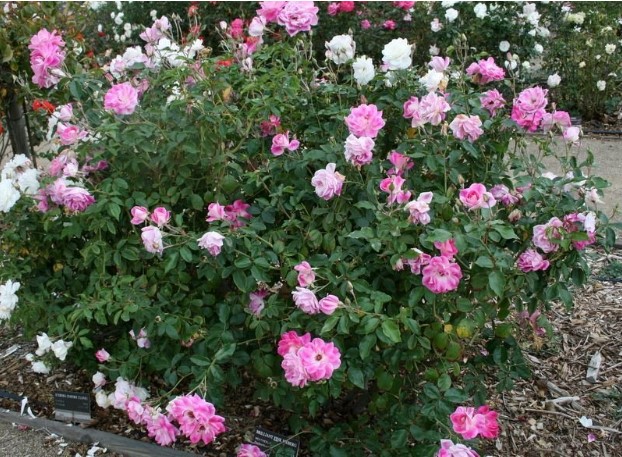
The Giant Bird of Paradise is a remarkable plant that combines beauty, size, and functionality. Its striking appearance and adaptability make it a valuable addition to both indoor and outdoor spaces. With proper care and suitable conditions, it can thrive and become a long-lasting centerpiece in any environment. For those looking to create a diverse and visually appealing garden, combining tropical plants with elements like rose bushes can add contrast and balance, resulting in a more dynamic and attractive outdoor space. Whether used in landscaping or as an indoor decorative plant, its impact is undeniable.