
Sustainability has become one of the most important lifestyle movements of modern times. Across the United Kingdom, consumers are becoming more aware of how everyday purchases affect the environment. From fashion to household products, people are actively choosing eco-friendly alternatives that reduce waste and support ethical production.
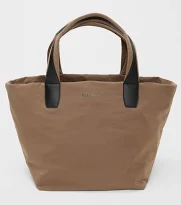
One of the most popular sustainable accessories today is sustainable bags. Stylish, practical, and environmentally responsible, these reusable bags are helping consumers move away from disposable products and towards more conscious living.
Whether used for shopping, work, travelling, or daily essentials, sustainable bags offer a simple yet powerful way to support a greener future while maintaining style and functionality.
What Are Sustainable Bags?
Sustainable bags are bags created using environmentally friendly materials and ethical production methods. Unlike disposable plastic bags or fast-fashion accessories, sustainable bags are designed to minimise environmental impact while offering durability and long-term use.
These bags may be made from:
- Recycled cotton
- Organic fabrics
- Upcycled textiles
- Recycled polyester
- Natural fibres
- Eco-conscious materials
The goal of sustainable fashion is to reduce waste, conserve natural resources, and encourage responsible consumer habits. Sustainable bags perfectly reflect these values by offering reusable alternatives that help reduce pollution and unnecessary consumption.
Why Sustainability Matters in Fashion
The fashion industry is one of the largest contributors to environmental pollution worldwide. Millions of tonnes of textile waste are discarded every year, while fast-fashion production consumes enormous amounts of water, chemicals, and energy.
Consumers are now recognising the importance of supporting brands and products that focus on sustainability and ethical practices.
By choosing sustainable products, people can help:
- Reduce landfill waste
- Lower plastic pollution
- Support ethical manufacturing
- Encourage responsible production
- Protect natural resources
Small changes in shopping habits can create meaningful environmental benefits over time.
Benefits of Sustainable Bags
1. Environmentally Friendly
One of the biggest advantages of reusable bags is their positive impact on the environment. Sustainable bags help reduce reliance on single-use plastics, which often end up polluting oceans, rivers, and landfill sites.
Reusable bags also reduce waste generated by disposable packaging and fast-fashion accessories.
2. Durable and Long-Lasting
Unlike cheap disposable bags, sustainable options are designed for regular use. High-quality stitching and strong fabrics make them suitable for carrying groceries, books, laptops, travel items, and daily essentials.
Investing in durable bags also saves money over time because they last much longer than low-quality alternatives.
3. Stylish and Versatile
Modern eco-friendly fashion is no longer limited to plain or basic designs. Today’s sustainable bags are available in a wide variety of colours, styles, patterns, and handcrafted finishes.
Whether you prefer minimalist fashion, bohemian styles, or contemporary accessories, sustainable bags offer fashionable options for every lifestyle.
4. Supports Ethical Brands
Many sustainable fashion companies work closely with artisan communities and ethical manufacturers. Supporting these brands helps promote fair wages, safe working conditions, and responsible craftsmanship.
Consumers increasingly value products that have a meaningful story behind them.
5. Encourages Conscious Living
Choosing sustainable products encourages people to become more mindful about their consumption habits. Reusable bags are a simple step towards reducing waste and embracing environmentally responsible living.
The Growing Popularity of Sustainable Fashion
Eco-conscious shopping has grown rapidly in recent years. Consumers are becoming more aware of climate change, plastic pollution, and the environmental damage caused by overconsumption.
As awareness increases, sustainable fashion continues to move into the mainstream. More people are now prioritising quality, durability, and ethical production over fast-fashion trends.
This shift has significantly increased demand for sustainable bags because they combine practicality with environmental responsibility.
From supermarkets to fashion boutiques, reusable bags have become an everyday essential for people who want to make better choices for the planet.
Different Types of Sustainable Bags
One reason sustainable bags are so popular is their versatility. They come in many different styles suitable for various purposes.
Tote Bags
Tote bags are among the most common sustainable accessories. They are practical, spacious, and ideal for shopping, work, or casual outings.
Travel Bags
Eco-friendly travel bags offer stylish and reusable alternatives for holidays and weekend trips.
Cosmetic Bags
Sustainable cosmetic bags made from recycled materials help reduce waste while keeping beauty essentials organised.
Handbags
Ethical handbags combine fashion with environmentally responsible production methods.
Shopping Bags
Reusable shopping bags are an excellent alternative to disposable plastic carrier bags.
How Sustainable Bags Help Reduce Waste
Plastic pollution has become one of the world’s most pressing environmental issues. Billions of plastic bags are used every year, many of which are discarded after only one use.
Reusable sustainable bags help tackle this problem by encouraging long-term use instead of disposable consumption.
Benefits include:
- Less plastic waste
- Reduced landfill pollution
- Lower carbon emissions
- Reduced demand for virgin materials
- Improved environmental awareness
Consumers who regularly use reusable bags can significantly reduce their environmental footprint over time.
Sustainable Materials Used in Eco-Friendly Bags
Many sustainable bags are created using innovative environmentally friendly materials.
Common sustainable materials include:
Recycled Cotton
Made from repurposed textile waste, recycled cotton reduces landfill waste and conserves water resources.
Organic Cotton
Organic cotton is grown without harmful pesticides or chemicals, making it safer for the environment.
Upcycled Fabrics
Upcycling transforms discarded materials into new products, reducing waste while creating unique designs.
Jute and Natural Fibres
Natural fibres are biodegradable and renewable, making them excellent eco-friendly alternatives.
Recycled Polyester
Produced from recycled plastic bottles and waste materials, recycled polyester helps reduce plastic pollution.
Why Consumers Prefer Ethical Products
Modern consumers increasingly want products that align with their values. People are asking important questions before making purchases:
- Was this product ethically made?
- Does this brand support sustainability?
- What materials were used?
- Is the product reusable or recyclable?
Consumers today are more informed and environmentally conscious than ever before. This growing awareness has encouraged businesses to adopt more transparent and sustainable practices.
Ethical fashion is no longer a niche market — it is becoming a major influence on purchasing decisions across the United Kingdom.
Sustainable Bags for Everyday Use
One of the greatest advantages of sustainable bags is how useful they are in daily life.
Popular everyday uses include:
Grocery Shopping
Reusable bags make shopping easier while helping reduce plastic consumption.
Work and Study
Many people use tote bags to carry laptops, notebooks, and office essentials.
Travelling
Eco-friendly travel bags are lightweight, durable, and practical for holidays or weekend breaks.
Gym and Fitness
Sustainable bags can easily carry gym clothes, shoes, and fitness accessories.
Casual Fashion
Stylish reusable bags work perfectly as fashionable everyday accessories.
The versatility of sustainable bags makes them suitable for almost every lifestyle.
Caring for Sustainable Bags
Proper care helps extend the life of reusable accessories and reduces the need for replacement.
Here are a few simple care tips:
Wash Carefully
Use gentle detergents and cold water to protect fabrics and colours.
Avoid Excessive Weight
Although durable, overloading bags may weaken stitching over time.
Air Dry Naturally
Natural drying reduces energy use and helps maintain fabric quality.
Store Properly
Keep bags clean and dry when not in use.
Good maintenance ensures reusable bags remain stylish and functional for years.
The Future of Sustainable Fashion
Sustainability is shaping the future of fashion and retail. Consumers are becoming increasingly aware of the impact their purchases have on the planet, and businesses are responding with more eco-conscious products and ethical practices.
Reusable accessories like sustainable bags are becoming symbols of responsible living and mindful consumption.
As environmental awareness continues to grow, sustainable fashion will likely become the standard rather than the exception.
The future belongs to products that combine:
- Practicality
- Durability
- Ethical production
- Environmental responsibility
- Timeless style
Consumers now understand that even small everyday choices can contribute towards long-term positive change.
Final Thoughts
Choosing sustainable bags is one of the easiest and most effective ways to support eco-friendly living. These reusable accessories reduce waste, minimise environmental impact, and promote ethical fashion while offering stylish practicality for everyday life.
From shopping and travelling to work and leisure, sustainable bags provide a reliable alternative to disposable products and fast-fashion accessories.
As more consumers embrace conscious shopping habits, sustainable fashion continues to grow in importance across the United Kingdom and beyond. Supporting environmentally responsible products helps create a cleaner, healthier, and more ethical future for people and the planet.
By making thoughtful purchasing decisions today, we can all contribute towards a more sustainable tomorrow.