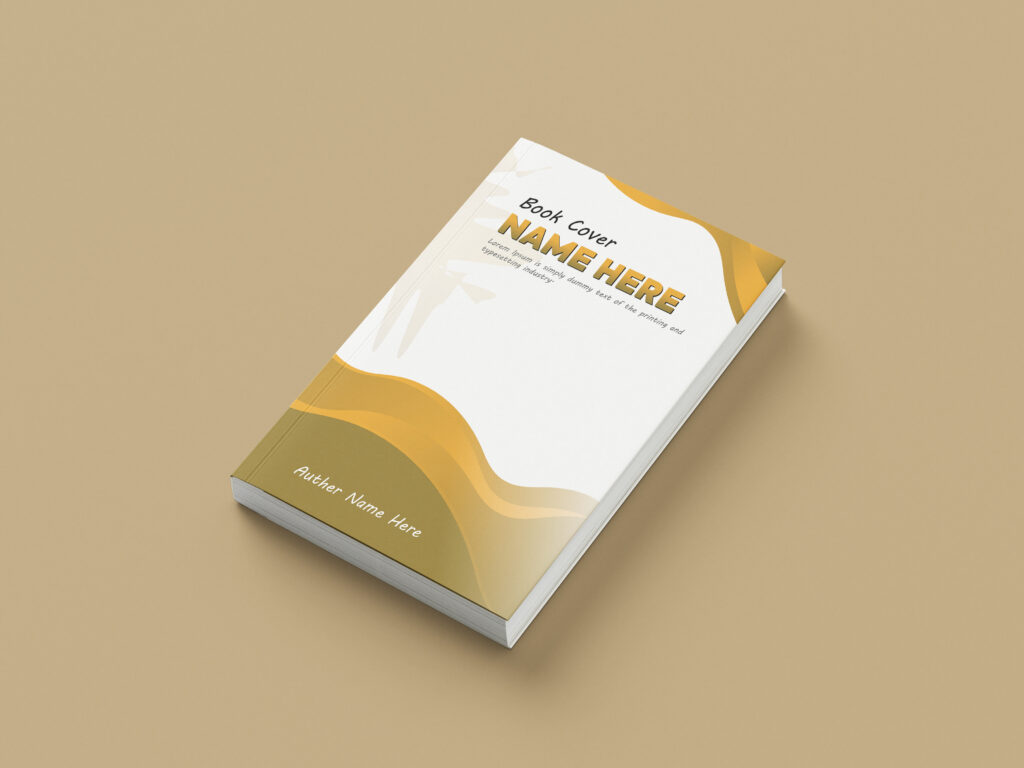

Authors can find affordable book cover design services through freelance platforms, independent designers, self-publishing tools, and design agencies, depending on their budget and quality expectations. The best approach is to compare portfolios, pricing, and genre experience before making a decision. A well-designed cover is not just visual decoration it directly influences reader interest, click-through rates, and book sales performance. In today’s publishing environment, authors actively search for book cover design services that are both affordable and professional. However, the challenge is not just finding a low-cost option it is finding a service that understands genre expectations, visual psychology, and market trends while still fitting within a reasonable budget.
A strong book cover:
- Communicates genre instantly
- Builds trust and credibility
- Reflects the emotional tone of the book
- Improves click-through rates in digital listings
- Helps the book stand out in crowded marketplaces
Data from publishing platforms suggests that professionally designed covers can increase engagement by 20–35% compared to poorly designed or generic covers. This makes design a critical investment rather than an optional expense.
What Makes Book Cover Design Affordable Yet Professional
Affordability does not mean low quality. It means achieving professional results within a manageable budget. Many new authors assume that high-quality design requires expensive agencies, but the modern publishing ecosystem offers multiple cost-effective solutions.
A professional book cover typically includes:
- Clear and readable typography
- Genre-appropriate visual elements
- Strong color psychology alignment
- Balanced composition and spacing
- Effective thumbnail visibility
Even at lower price points, these elements can be achieved if the designer has experience in publishing-specific design.
Typical pricing ranges:
- DIY tools: $0–$50
- Freelance designers: $30–$300
- Specialized book designers: $100–$500
- Agencies: $500–$2000+
The key difference is not only price but also consistency, experience, and understanding of market expectations.
Where Authors Can Find Affordable Book Cover Design Services
Authors today have several practical options depending on their goals, skills, and budget constraints.
1. Freelance Platforms
Freelance platforms like Fiverr, Upwork, and Freelancer connect authors with designers worldwide.
These platforms are popular because they offer flexibility and competitive pricing.
Advantages:
- Wide range of pricing options
- Global talent access
- Ability to compare multiple portfolios
- Flexible revision policies
Limitations:
- Quality varies significantly
- Requires careful vetting
- Some designers use generic templates
Freelance platforms are often the first stop for new authors because they provide accessible entry-level pricing.
2. Independent Book Cover Designers
Independent designers specialize specifically in book covers, often focusing on genres such as romance, fantasy, thriller, or nonfiction.
These professionals understand publishing trends better than general graphic designers.
Advantages:
- Strong understanding of genre expectations
- More storytelling-focused design
- Higher consistency in quality
- Better attention to publishing standards
Limitations:
- Slightly higher pricing than general freelancers
- Limited availability for urgent projects
3. Self-Publishing Platforms
Platforms like Kindle Direct Publishing (KDP) and similar services sometimes offer design tools or recommended services.
These are useful for authors who want quick publishing solutions.
Advantages:
- Easy integration with publishing systems
- Fast turnaround time
- Simple templates available
Limitations:
- Limited creativity and customization
- Risk of generic-looking covers
These tools are best suited for beginners or test publishing.
4. Design Agencies
Agencies provide full-service design solutions, often including branding, formatting, and marketing support.
Advantages:
- High-quality professional output
- Strategic design aligned with marketing goals
- Consistency across multiple books
Limitations:
- Higher cost compared to freelancers
- Less flexibility for small-budget authors
Agencies are usually preferred by established authors or publishers.
5. DIY Design Tools
DIY tools like Canva, Adobe Express, and BookBrush allow authors to design covers themselves.
These tools have become increasingly popular due to accessibility.
Advantages:
- Very low cost or free
- Full creative control
- Easy-to-use templates
Limitations:
- Requires design knowledge
- Risk of amateur appearance
- Limited originality in templates
DIY tools work best for authors with some design experience or very limited budgets.
Mid-Content Insight (Keyword Placement)
As more authors explore global publishing options and compare different service providers, many discussions and listings often include references such as especially when analyzing differences in pricing, turnaround time, and design quality across various service types.
This reflects a growing trend where authors are not only looking for design services but also evaluating long-term branding and market positioning.
How to Choose the Right Book Cover Designer
Choosing the right designer requires a structured evaluation process rather than random selection based on price alone.
Key evaluation criteria:
- Portfolio relevance to your book genre
- Previous client reviews and feedback
- Communication clarity and responsiveness
- Revision policy and flexibility
- Delivery timeline and reliability
Red flags to avoid:
- No visible portfolio or samples
- Extremely low pricing without explanation
- No revision support
- Generic or reused templates
- Poor communication or delayed responses
A strong portfolio is especially important because book cover design is highly genre-dependent.
Cost Breakdown and Value Consideration
Understanding pricing helps authors make better long-term decisions.
Typical cost ranges:
- DIY tools: $0–$50
- Freelancers: $30–$300
- Specialized designers: $100–$500
- Agencies: $500–$2000+
While lower-cost options exist, research in digital publishing suggests that professionally designed covers can improve click-through rates by 20–35%, especially in competitive online marketplaces.
This shows that design is not just an expense—it is a performance factor.
Common Mistakes Authors Make in Book Cover Design
Even with many affordable options available, authors often make mistakes that reduce their book’s visibility.
Common mistakes include:
- Overcrowded visual design
- Poor font selection or unreadable typography
- Ignoring genre conventions
- Using low-resolution images
- Not testing thumbnail appearance
Impact of these mistakes:
- Lower visibility in online stores
- Reduced reader trust
- Weak genre identification
- Poor conversion rates
A simple, clear, and genre-aligned design often performs better than complex visuals.
Case Study: Impact of Affordable Design on Book Performance
A self-published author used a mid-range freelance designer to redesign a poorly performing book cover.
Before redesign:
- Low engagement on online platforms
- Weak click-through rates
- Confusing genre presentation
After redesign:
- Improved typography clarity
- Better genre-specific visuals
- Cleaner, more modern design
Results:
- Approximately 25–30% increase in engagement
- Improved reader perception
- Higher visibility in search results
This demonstrates that even affordable design improvements can significantly affect performance.
Future Trends in Book Cover Design
Book cover design continues to evolve with digital publishing trends.
Emerging trends include:
- Minimalist and clean designs
- AI-assisted design tools
- Genre-specific visual branding systems
- Mobile-first design optimization
With most readers discovering books on mobile devices, covers must now be effective even at very small screen sizes.
Key Takeaways (Pointer Section)
- Book cover design directly impacts book visibility and sales
- Affordable options exist across multiple platforms
- Freelancers offer flexibility, agencies offer consistency
- Genre alignment is critical for success
- Thumbnail readability is more important than complex visuals
- Comparing portfolios is more important than choosing lowest price
Conclusion
Finding affordable book cover design services is completely possible today due to the wide range of freelance platforms, independent designers, agencies, and DIY tools available. However, the key is not just affordability—it is strategic selection based on quality, genre understanding, and long-term publishing goals. A strong book cover is not just a visual asset; it is a marketing tool that influences reader perception within seconds. Choosing the right design service can significantly improve visibility, engagement, and overall book success in a competitive marketplace.
FAQs
1. Where can authors find affordable book cover design services?
Authors can use freelance platforms, independent designers, self-publishing tools, or agencies depending on their budget and quality expectations.
2. How much does a professional book cover design cost?
Prices range from $30 for freelancers to over $2000 for premium agencies depending on experience and complexity.
3. Are cheap book cover design services reliable?
Some are reliable, but quality varies. Reviewing portfolios is essential before hiring any designer.
4. What makes a book cover effective?
Clear typography, genre alignment, visual simplicity, and strong thumbnail readability make a cover effective.
5. Can I design my own book cover?
Yes, but it requires design knowledge to ensure professionalism and market competitiveness.
6. Do book covers really affect sales?
Yes. Studies show that professional covers can improve engagement and click-through rates by up to 30% in digital marketplaces.