
Choosing the best BLS for healthcare providers in Minneapolis comes down to how closely the training mirrors real clinical pressure. The core skills are standardized, high-quality CPR, AED use, airway management, and team response, but how they’re taught makes all the difference. Some classes feel like a checklist. Others actually prepare you for a code situation.
All of CPR Partner, LLC’s courses offer instructor-led or blended learning, hands-on skills testing, and an official AHA certification eCard when you finish.
This is what matters-
Make Sure It Follows AHA Standards
The course should align with the American Heart Association guidelines. That ensures you’re learning current protocols, not outdated techniques.
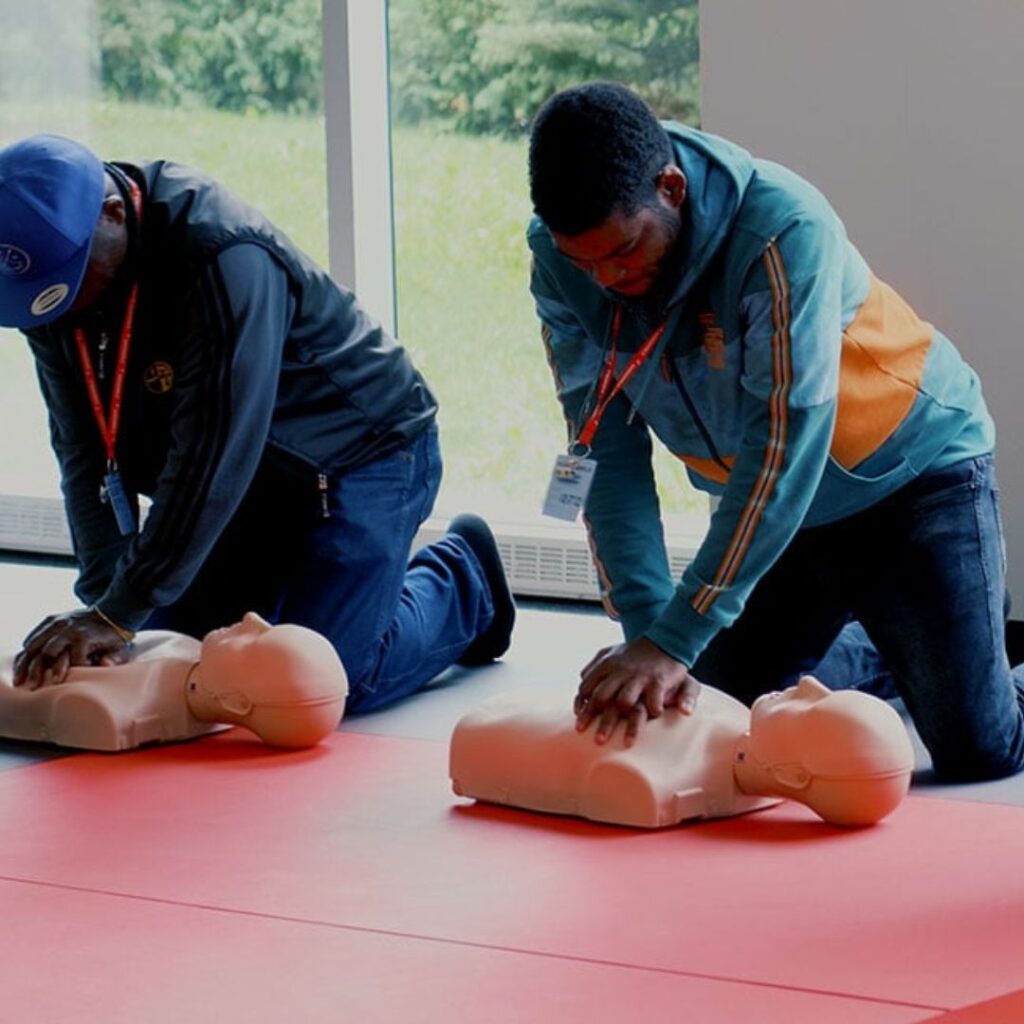
Look for Real Hands-On Time
You need repetition: adult, child, infant compressions, AED drills, and airway management. Watching isn’t enough. Muscle memory matters when seconds count.
Check for Team-Based Training
Good BLS classes simulate multi-rescuer scenarios. You’ll rotate roles, communicate, and learn pacing. That’s closer to what actually happens in a hospital setting.
Evaluate Instructor Background
Instructors with active clinical or emergency experience tend to teach with context, not just slides. You’ll pick up small, practical corrections you won’t get elsewhere.
Choose the Right Format
Classroom sessions give full immersion. Blended formats work if you’re short on time, but the in-person skills check still carries the weight.
Confirm Certification Validity
The BLS eCard should be widely accepted and valid for two years. Most hospitals won’t accept anything less .
Pay Attention to Equipment Quality
High-fidelity manikins with feedback systems help you adjust depth, rate, and recoil. It’s not a small detail. It changes how you learn.
Look at Scheduling and Turnaround
Same-day certification and flexible slots can matter, especially if you’re up against onboarding deadlines.
Courses Offered
- BLS / CPR Classroom
Course Overview: This is the traditional, in-the-room training. You’re working through compressions, AED use, and team response in real time, with an instructor who can stop you mid-cycle and fix what’s off. That immediate correction makes a difference.
Ideal For: Healthcare professionals, clinical staff, and students who need solid, hands-on repetition
Course Format: Instructor-led classroom session
Certification: American Heart Association BLS Provider eCard (valid for 2 years)
- BLS / CPR Blended Learning
Course Overview: You handle the theory online at your own pace, then come in for the part that actually counts, the skills check. It’s efficient, especially if you already know the basics.
Ideal For: Healthcare providers trying to fit certification around unpredictable schedules
Course Format:
Part 1: Online learning
Part 2: In-person skills validation
Certification: AHA BLS Provider eCard (valid for 2 years)
- Heartsaver First Aid, CPR, AED (Total) – Classroom
Course Overview: Broader in scope. You’re not just learning CPR, but how to respond to everyday emergencies, burns, bleeding, choking, the kind of situations that don’t wait for professionals to arrive.
Ideal For: Workplace teams, educators, and anyone responsible for others in a non-clinical setting
Course Format: Classroom-based training
Certification: AHA Heartsaver First Aid CPR AED eCard (valid for 2 years)
- Heartsaver First Aid, CPR, AED (Total) – Blended Learning
Course Overview: Same material, just split between screen time and in-person assessment. Works well if you’d rather not sit through a full-day class.
Ideal For: People who need flexibility but still want proper certification
Course Format: Online instruction + in-person evaluation
Certification: AHA Heartsaver First Aid CPR AED eCard (valid for 2 years)
- Pediatric First Aid, CPR, AED – Classroom
Course Overview: Focused, and for good reason. Infant and child emergencies don’t play out the same way as adult cases. This course leans into those differences: airway management, compression depth, and response timing.
Ideal For: Childcare providers, school staff, caregivers
Course Format: Instructor-led classroom training
Certification: AHA Pediatric First Aid CPR AED eCard (valid for 2 years)
- Pediatric First Aid, CPR, AED – Blended Learning
Course Overview: Covers the same pediatric scenarios, just with the theory handled online first. The in-person session is where you prove you can actually perform the skills.
Ideal For: Those needing pediatric certification without blocking out an entire day
Course Format: Blended learning (online + in-person)
Certification: AHA Pediatric First Aid CPR AED eCard (valid for 2 years)
- BLS / CPR SKILLS Session
Course Overview: This is strictly the hands-on portion. You’ve already done the online coursework; now it’s about demonstrating that you can perform under observation. No shortcuts here.
Ideal For: Participants who’ve completed the online BLS component
Course Format: In-person skills evaluation
Certification: AHA BLS Provider eCard issued after successful completion
- Heartsaver First Aid, CPR, AED SKILLS Only
Course Overview: Similar idea, but for the Heartsaver track. You’re coming in to show competency, not to relearn the material.
Ideal For: Those who’ve finished the blended Heartsaver program
Course Format: In-person evaluation session
Certification: AHA Heartsaver First Aid CPR AED eCard
- Heartsaver Pediatric First Aid, CPR, AED SKILLS Only
Course Overview: Focused evaluation on pediatric scenarios. Instructors pay close attention here, because technique matters more when you’re dealing with infants.
Ideal For: Participants completing pediatric blended learning
Course Format: In-person skills validation
Certification: AHA Pediatric First Aid CPR AED eCard
- BLS / CPR Renewal
Course Overview: Not just a formality. Guidelines shift, techniques get refined, and this course brings you back up to standard. It’s usually quicker, but it shouldn’t feel rushed.
Ideal For: Previously certified healthcare providers who need to stay current
Course Format: Classroom or blended learning options
Certification: AHA BLS Provider Renewal eCard (valid for 2 years)
Conclusion
In the end, the right class is the one that leaves you steady under pressure, not just holding a card. You should walk out having run enough scenarios that your response feels automatic, even when things get chaotic. That’s the real benchmark. And when you weigh your options for CPR certification in Minneapolis, the providers who take training seriously tend to stand out pretty quickly.