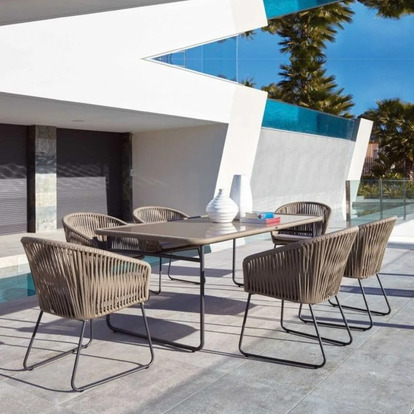

Designing a comfortable and functional outdoor space has become an important part of modern living. Whether you have a balcony, patio, terrace, or garden, the right outdoor furniture can completely transform the way you use your space. It allows you to relax, entertain guests, and enjoy fresh air in a comfortable setting. However, choosing the right furniture requires more than just picking a design you like.
From durability to comfort and space planning, several factors play a key role in selecting the best outdoor furniture for your home. Understanding these factors will help you make a smart and long-lasting investment.
Understand Your Space and Needs
The first step in choosing outdoor furniture is to evaluate your space. Measure the available area and think about how you plan to use it. A small balcony will require compact furniture, while a large garden can accommodate bigger seating arrangements.
Consider your lifestyle as well. If you enjoy hosting gatherings, you may need a dining set. If relaxation is your priority, a lounger or sofa set may be more suitable. Matching your furniture with your needs ensures better functionality.
Choose Weather-Resistant Materials
Outdoor furniture is constantly exposed to environmental conditions such as sunlight, rain, and dust. This makes material selection extremely important.
Look for materials that can withstand different weather conditions. Options like powder-coated metal, treated wood, and synthetic rattan are commonly used for outdoor furniture. These materials are designed to resist moisture, fading, and wear.
Choosing weather-resistant furniture ensures durability and reduces maintenance efforts over time.
Focus on Comfort
Comfort should never be overlooked when selecting outdoor furniture. After all, the purpose of your outdoor space is relaxation.
Check the seating design, cushion quality, and overall support. Furniture with ergonomic design and good cushioning allows you to sit comfortably for longer periods. If cushions are included, make sure they are made from outdoor-friendly fabrics that resist moisture and fading.
A comfortable setup encourages you to spend more time outdoors.
Pick the Right Size and Layout
Size plays a crucial role in how your outdoor area looks and feels. Oversized furniture can make the space feel cramped, while very small pieces may not be practical.
Arrange your outdoor furniture in a way that allows easy movement. Leave enough space between pieces to maintain a clean and open layout. A well-planned arrangement improves both functionality and visual appeal.
Consider Maintenance Requirements
Different types of outdoor furniture require different levels of maintenance. Before making a purchase, think about how much time you can dedicate to upkeep.
Low-maintenance materials like metal and plastic are easy to clean and maintain. Wooden furniture may require occasional polishing or sealing. Choosing furniture that matches your maintenance preference will save time and effort in the long run.
Match Furniture with Your Home Style
Your outdoor area should complement the overall design of your home. Selecting outdoor furniture that matches your interior style creates a seamless look.
For a modern home, go for sleek designs and neutral colors. For a more natural feel, wooden or earthy finishes work well. A consistent design theme enhances the overall aesthetic of your space.
Check Durability and Build Quality
Investing in high-quality outdoor furniture ensures long-term use. Check the build quality, frame strength, and finishing before buying.
Sturdy construction not only improves safety but also ensures the furniture can handle regular use. Paying attention to these details helps you avoid frequent replacements and repairs.
Think About Storage and Flexibility
If you have limited space, consider furniture that is easy to store or move. Foldable or stackable designs are great options for small areas.
Flexible outdoor furniture allows you to rearrange your setup as needed. This is especially useful for people who like to change their layout or use the space for different purposes.
Add Functional Features
Some outdoor furniture comes with additional features that enhance usability. For example, tables with umbrella holes, adjustable loungers, or storage benches can add convenience.
These features may seem small, but they can significantly improve your overall outdoor experience.
Budget and Long-Term Value
While budget is an important factor, it’s essential to focus on value rather than just price. Cheap furniture may save money initially but may not last long.
Investing in durable and well-designed outdoor furniture ensures better performance and longevity. This makes it a more cost-effective choice in the long run.
Create a Balanced Outdoor Setup
Choosing outdoor furniture is not just about individual pieces—it’s about creating a complete and balanced setup. Combine seating, tables, and décor elements to make the space functional and inviting.
Adding cushions, plants, and lighting can enhance the overall look and feel of your outdoor area. A well-designed setup makes your space more enjoyable and visually appealing.
Conclusion
Selecting the right outdoor furniture for your home involves careful planning and thoughtful decisions. From understanding your space and choosing the right materials to focusing on comfort and durability, every factor contributes to the final result.
By investing in quality furniture that matches your needs and style, you can create an outdoor space that is both functional and relaxing. With the right choices, your balcony, patio, or garden can become a perfect place to unwind and enjoy everyday moments.