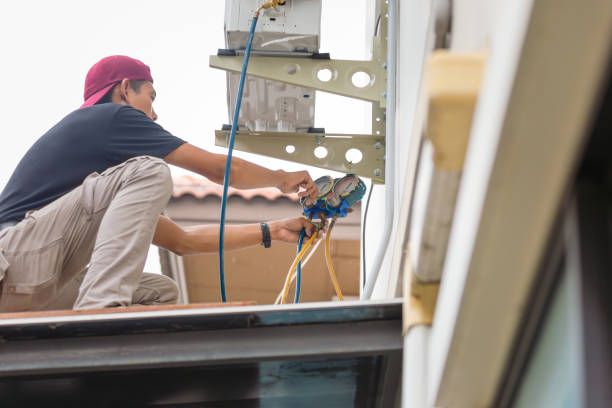

Most folks do not think about the ground under an AC unit. They just expect cold air when the thermostat drops. Still, a small tilt outside can create big comfort issues inside. The system may run longer, sound louder, or cool one room better than another. Also, energy bills may creep up without an obvious reason. A level unit gives the system a fair chance to work as it should. It helps water drain, keeps parts steady, and reduces extra strain. So, professional AC installation impacts cooling efficiency because a careful setup helps the AC cool the home without fighting bad placement from day one.
How Professional AC Installation Impacts Cooling Efficiency Through Level Placement
An outdoor AC unit is heavy, but it still needs a steady base. If the pad under it shifts, the unit may lean. That lean can look small, yet it may affect how the system runs. For example, the fan may shake more than normal. Also, the compressor may feel added stress during hot days. That stress can make cooling cycles longer. As a result, the system uses more power to do the same job.
A level setup keeps the unit balanced while it runs. It also helps nearby lines stay in a safer position. Over time, this can lower the risk of damage. So, leveling is not just a small detail. It is part of a good installation from the start.
Poor Leveling Can Mess with Drainage
Air conditioners pull moisture from indoor air. That water needs a clear path out of the system. However, a tilted unit can slow drainage or send water in the wrong direction. When water sits too long, it may cause odors. Also, it may create damp spots near the unit. In some homes, that moisture can reach nearby walls or flooring. Then, a cooling issue turns into a home repair problem.
Good installers check drainage before the job is done. They look at the unit, the pad, and the direction water should move. Because of that, the AC can remove moisture better. Plus, the home feels cooler when the humidity stays under control.
Better Setup Can Lower Everyday Strain
An AC does a lot of work during the summer. It pulls warm air from the home, removes heat, and sends cooler air back inside. So, the system needs every part to work without extra stress. When the outdoor unit sits level, moving parts stay steadier. The fan can spin with less shaking. Also, the compressor can run with fewer problems. This helps the system cool rooms faster and with less waste. A proper setup can lead to real AC efficiency improvement because the equipment does not have to fight poor placement. Instead, it can focus on cooling the home. That means better comfort, fewer long cycles, and less wear during hot weather.
Refrigerant Flow Depends on Proper Setup
Refrigerant is what helps move heat out of the house. It travels through lines between the indoor and outdoor parts. If the outdoor unit leans too much, the system may not run as smoothly as it should. Also, a tilted unit can add strain to refrigerant lines. Those lines should not be pulled or bent more than needed. If they are stressed, leaks or weak cooling may happen later. That can make repairs more likely. During setup, professional AC installation impacts cooling efficiency by helping refrigerant lines stay secure, and the outdoor unit stay steady. This gives the AC a better chance to cool evenly. It also helps protect the system during long summer use.
Warning Signs of an Uneven AC Unit
A leaning AC may still turn on. Because of that, the problem can be easy to miss. Yet small signs often appear before major trouble starts. You may hear odd sounds or notice weak cooling in certain rooms. Also, the cooling efficiency impact may show up on the power bill. If the home feels less cool but the bill rises, the system may be working too hard. A quick look outside can sometimes reveal the issue.
| Sign | Possible Cause |
|---|---|
| Rattling sound | The unit may be uneven |
| Standing water | Drainage may be poor |
| Long run times | The system may be strained |
Why Skilled Installers Make a Real Difference
AC installation is not only about setting equipment in place. The base must be checked, the unit must be balanced, and the area must allow proper airflow. If one step gets rushed, cooling can suffer later. Soil can also settle after heavy rain. Concrete pads can shift with time. Because of this, installers should think beyond the first day. They need to set the system so it stays stable as conditions change. Careful service matters because professional AC installation impacts cooling efficiency through better placement, safer line setup, and proper drainage checks. A trained team can spot issues that are easy to miss. As a result, the AC starts strong and keeps working with less strain.
What Poor Leveling Can Cost Over Time
A tilted AC may not fail right away. Still, it can slowly create problems. The system may need longer cycles to cool the home. Also, parts may wear faster because they deal with extra movement. Over time, the cooling efficiency impact can reach comfort and cost. The home may feel less even, and the utility bill may climb. Repairs may also become more common if the system keeps running under stress.
Poor leveling may lead to:
- Higher monthly energy use
- More noise from the outdoor unit
- Weak airflow inside the home
- Drainage trouble near the system
- Shorter equipment life
Keep Cool Without Making the AC Work Too Hard
A level AC unit can make a real difference in daily comfort. It helps the system drain well, cool rooms evenly, and run with less stress during hot weather. Poor leveling, however, can cause loud noise, weak cooling, water issues, and higher energy use. Over time, those small problems may lead to bigger repair needs. So, proper setup matters from the start. With the right placement, the unit can work better and last longer. For careful AC setup and reliable cooling help, Orca Heating Air is ready to help. Schedule service today and keep the home cooler without overworking the system.