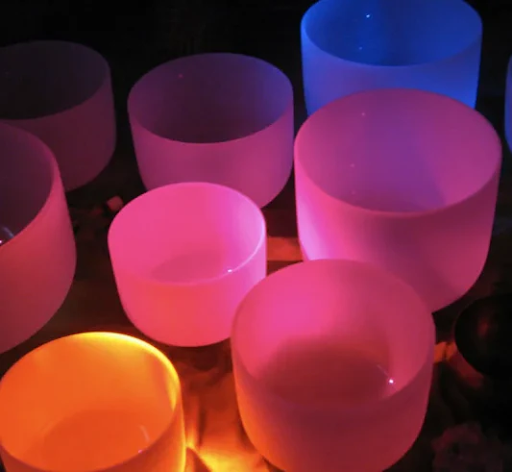

Most people come to sound healing with curiosity, but also confusion. They’ve seen videos, maybe attended a session, and felt something shift. Still, one question lingers: What are you actually learning when you sign up for crystal singing bowl training? Is it just about playing bowls, or is there something deeper?
The truth sits somewhere in between. It’s not just technique, and it’s not just spiritual theory either. Good training builds a bridge between sound, body awareness, and intentional practice. You leave with skills you can use, not just ideas you admire.
This blog breaks that down clearly. If you’re considering crystal singing bowl training, here’s what you’ll actually learn and how those skills show up in real practice.
Understanding the Basics of Sound and Vibration
Before you ever play a bowl properly, you learn how sound works. Not in a heavy, academic way. More in a practical, felt sense.
- How vibration travels through the air and the body
- Why certain tones feel calming while others feel activating
- How frequency interacts with emotional and physical states
This foundation matters. Without it, playing a bowl becomes guesswork.
With it, you begin to understand why a session works or doesn’t. You stop copying and start responding.
Learning Proper Playing Techniques
This is where most beginners underestimate the depth. Playing a crystal bowl looks simple. It isn’t.
Training helps you develop:
- Controlled pressure and movement with the mallet
- Clean tone production without harsh overtones
- Consistent rhythm without rushing or dragging
- Awareness of how different bowls respond to touch
At first, your sound may wobble. That’s normal. Over time, your hands learn what your mind cannot force. And that’s when the sound starts to feel intentional rather than accidental.
Developing Deep Listening Skills
One of the most overlooked parts of crystal singing bowl training is learning how to listen. Not casually. Not passively. Deeply.
You start noticing:
- Subtle shifts in tone and resonance
- How sound fades, overlaps, and interacts
- The silence between sounds
This kind of listening changes how you play. You stop filling space unnecessarily. You allow pauses. You respond instead of performing. It also changes how you experience sound as a whole, even outside practice.
Understanding Energy Centers Through Crystal Bowl Chakra Meditation
Many training programs include crystal bowl chakra meditation as a core component. This is where sound meets body awareness.
You learn:
- The basic framework of the chakra system
- How specific bowl tones align with different energy centers
- How to structure a session that moves from grounding to expansion
More importantly, you experience it yourself. That personal experience becomes your reference point. Instead of memorizing which note belongs where, you begin to feel when something is balanced or off.
Structuring a Sound Healing Session
Knowing how to play is one thing. Another thing is knowing how to lead a session. Training shows you how to create a full experience:
- Starting the session with grounding or breathwork
- Slowly adding sound so that it doesn’t overwhelm the listener
- Making a connection between bowls and silence
- Ending the session in a way that feels finished
More people should pay attention to this structure. Sessions can feel unfinished or scattered without it. With it, even simple setups seem planned and useful.
Building Sensitivity to Others
If you plan to work with people, this skill becomes essential. You learn to observe without overanalyzing:
- Body language shifts during sound exposure
- Breathing patterns
- Signs of relaxation or discomfort
You’re not diagnosing anything. You’re paying attention.
That awareness helps you adjust your playing in real time. Softer when needed. Slower when needed. Or sometimes, simply quieter.
Learning Grounding and Centering Techniques
Before you can guide others, you need stability in yourself. Most crystal singing bowl training programs include practices that help you:
- Stay mentally present during sessions
- Avoid feeling drained after working with others
- Reset your focus quickly
These techniques are simple but powerful.
Things like breath awareness, posture alignment, and short centering rituals become part of your routine. Over time, they create consistency in how you show up.
Understanding Space and Environment
Sound doesn’t exist in isolation. It interacts with space. Training helps you notice:
- How room size affects resonance
- How surfaces reflect or absorb sound
- Where to position yourself and your bowls
A session in a small room feels very different from one in a large hall. Once you understand this, you stop blaming your technique for everything. Sometimes, it’s the environment that needs adjustment.
Developing Confidence Without Overcomplication
Many beginners overthink sound healing. They try to remember too many rules. Good training simplifies things.
You learn to trust:
- Your sense of timing
- Your ability to listen
- Your natural rhythm
Confidence doesn’t come from doing more. It comes from doing fewer things well. That shift is subtle but important. It allows your sessions to feel natural rather than forced.
Practicing Consistency and Discipline
There’s a quiet discipline behind sound work. You won’t master it in a weekend. And that’s okay.
Training encourages:
- Regular practice, even if it’s short
- Repetition of basic techniques
- Patience with gradual improvement
Some days your sound will feel off. Other days, everything flows. The key is showing up anyway. Over time, consistency builds a kind of ease you can’t rush.
Exploring Personal Expression
Once the basics settle in, something interesting happens. Your style begins to emerge. You might prefer slower sessions. Or more dynamic shifts. Or longer silences. There’s no single correct way.
Crystal singing bowl training gives you the tools, but it doesn’t box you in. That freedom is where creativity comes in. And it’s often what keeps people engaged long-term.
Integrating Crystal Bowl Chakra Meditation Into Daily Life
You don’t need a formal session every time. One of the most practical skills you gain is learning how to use crystal bowl chakra meditation for yourself:
- Short grounding sessions in the morning
- Quick resets after a long day
- Focus support during meditation
This makes the practice sustainable. It becomes part of your routine, not something you only do occasionally.
Conclusion
So, what do you actually learn in crystal singing bowl training? You learn how to play, yes. But more than that, you learn how to listen, how to structure an experience, and how to stay present while doing it.
You develop awareness of sound, space, and people. You build confidence slowly, through repetition rather than shortcuts. And somewhere along the way, the practice becomes less about technique and more about connection.
If you’re considering stepping into this space, that’s what you’re really signing up for. Not just learning an instrument, it’s also crystal bowl chakra meditation for inner healing, but learning a way of working with sound that feels grounded, practical, and deeply personal.