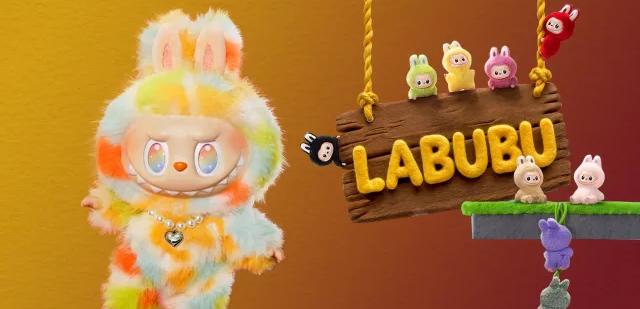

The popularity of Labubu has grown rapidly across the United States, becoming a standout in the modern art toy movement. What Labubu once started as a niche collectible from Asian designer toy culture has now entered mainstream pop culture conversations in America. Labubu figures are known for their playful yet slightly mischievous aesthetic, which appeals to both casual fans and serious collectors. In the US, this rise is closely tied to social media exposure, pop art appreciation, and a growing interest in designer toys as lifestyle items rather than simple collectibles.
Origins of Labubu and Designer Toy Culture
Labubu was created within the broader designer toy movement, which blends art, storytelling, and collectible culture. Originally popularized in Asia, especially through collaborations with platforms like POP MART, Labubu represents a unique character style that mixes fantasy and emotional expression. The figure’s distinct look, often featuring sharp teeth and whimsical expressions, makes it instantly recognizable. In the United States, designer toys like Labubu have gained traction as consumers seek alternatives to traditional mass-produced toys. This shift highlights a growing appreciation for limited-edition art pieces that reflect personality and artistic creativity in everyday collectibles.
Entry of Labubu into the United States Market
The introduction of Labubu into the US market occurred gradually through online marketplaces, specialty toy stores, and pop culture conventions. As global shipping and e-commerce expanded, American collectors gained easier access to international art toys. Retailers began importing limited drops, and demand quickly increased. The mystery box format also helped fuel excitement, as buyers enjoy the unpredictability of each purchase. Over time, Labubu became more visible in cities with strong art and collector communities like Los Angeles, New York, and San Francisco, where designer toys are increasingly displayed as part of personal lifestyle aesthetics.
Social Media Influence and Viral Growth
Social media platforms have played a major role in spreading Labubu’s popularity across the United States. Platforms like Instagram, TikTok, and YouTube feature unboxing videos, collection showcases, and aesthetic room setups that highlight Labubu figures. Influencers often present these toys as part of curated lifestyle content, blending fashion, art, and personality. Viral trends have made Labubu recognizable even to audiences who do not actively collect toys. Hashtags and short-form videos amplify excitement around rare releases, creating a sense of urgency and exclusivity. This digital exposure has significantly accelerated Labubu’s cultural presence in American youth communities.
Collector Culture and Community Growth
The collector community in the United States has embraced Labubu as more than just a toy, treating it as a form of artistic investment and personal expression. Enthusiasts often trade figures, discuss rare editions, and showcase their collections online. Local meetups and conventions provide spaces for collectors to connect and share their passion. The appeal lies in both the artistic design and the limited availability of certain releases, which increases emotional and financial value. This community-driven culture strengthens loyalty to the brand and fosters a sense of belonging among collectors who view Labubu as part of their identity.
Fashion Collaborations and Lifestyle Integration
Labubu’s influence has extended beyond collectibles into fashion and lifestyle branding. Collaborations with apparel brands and creative designers have introduced Labubu-themed clothing, accessories, and limited-edition merchandise. In the United States, this crossover between art toys and streetwear culture has been especially impactful. Fans often incorporate Labubu figures into their personal style, displaying them in bags, rooms, and social media aesthetics. This blending of collectible art with everyday fashion reflects a broader cultural trend where toys are no longer just for children but serve as expressive lifestyle statements for adults and young collectors alike.
Art Toy Scene and Gallery Recognition
The US art toy scene has gradually embraced Labubu as part of its expanding creative landscape. Galleries, pop-up exhibitions, and art fairs now showcase designer toys alongside traditional art forms. Labubu figures are appreciated for their sculptural detail, storytelling elements, and emotional expression. Artists and curators recognize these pieces as part of contemporary pop art culture, bridging the gap between commercial products and artistic installations. This acceptance elevates Labubu beyond retail collectibles and places it within the broader discussion of modern visual culture, where toys serve as both artistic objects and cultural symbols.
Celebrity Influence and Pop Culture Exposure
Celebrity endorsements and appearances have also contributed to Labubu’s growing popularity in the United States. Public figures and influencers displaying collectible toys on social media or in lifestyle photos indirectly boost awareness. When celebrities showcase unique collectibles, fans often follow the trend, increasing demand. Labubu benefits from this visibility, as its distinct design stands out in curated collections. Pop culture exposure through entertainment media, music videos, and online content further strengthens its recognition. As a result, Labubu has become part of a broader aesthetic movement influenced by celebrity-driven trends and digital culture.
Resale Market and Investment Value
The resale market for Labubu figures in the LABUBU Box States has become increasingly active, with rare editions often selling for significantly higher prices than retail. Collectors view certain releases as investment pieces due to their limited availability. Online marketplaces and auction platforms facilitate this secondary market, where demand can drive prices upward quickly. This speculative aspect adds excitement but also competition among collectors. While some view it purely as a hobby, others see financial potential in acquiring rare figures. The resale ecosystem has become an important part of Labubu’s cultural and economic presence.
Emotional Appeal and Artistic Identity
One of the key reasons Labubu resonates with American collectors is its emotional and artistic identity. The character’s expressive design often conveys playful, mysterious, or slightly dark emotions, which connect with audiences on a personal level. Unlike traditional toys, Labubu figures are seen as miniature art pieces that reflect individuality. Collectors often feel a personal attachment to specific designs or series. This emotional connection transforms collecting into a meaningful experience rather than a simple hobby. In the US, where self-expression is highly valued, Labubu fits naturally into modern creative lifestyles.
Future of Labubu in US Pop Culture
The future of Labubu in the United States looks strong as interest in designer toys continues to grow. With expanding collaborations, increasing social media visibility, and stronger retail presence, Labubu is likely to remain a key figure in art toy culture. As younger generations embrace collectible art as part of their identity, demand is expected to rise further. The blending of fashion, art, and digital culture will continue shaping its evolution. Labubu’s role in US pop culture is no longer niche; it is becoming a lasting symbol of modern creative expression and collectible artistry.